

| Home | Log In | Register | Our Services | My Account | Contact | Help |
You are NOT currently logged in
Register now or login to post to this thread.
THE TALK TO YOURSELF THREAD. (NOWT)
goldfinger

 - 09 Jun 2005 12:25


Thought Id start this one going because its rather dead on this board at the moment and I suppose all my usual muckers are either at the Stella tennis event watching Dim Tim (lose again) or at Henly Regatta eating cucumber sandwiches (they wish,...NOT).
Anyway please feel free to just talk to yourself blast away and let it go on any company or subject you wish. Just wish Id thought of this one before.
cheers GF.
Anyway please feel free to just talk to yourself blast away and let it go on any company or subject you wish. Just wish Id thought of this one before.
cheers GF.
MaxK - 27 Jul 2014 19:37 - 44368 of 81564
So, it will be won/lost in the marginals, as usual.
The problem is, what do you call a marginal when you can get huge swing votes from people who have had a enough of the present offerings ie. lib/lab/con ?
None of the big three exactly come across as "the real deal"
The problem is, what do you call a marginal when you can get huge swing votes from people who have had a enough of the present offerings ie. lib/lab/con ?
None of the big three exactly come across as "the real deal"
MaxK - 27 Jul 2014 23:26 - 44369 of 81564
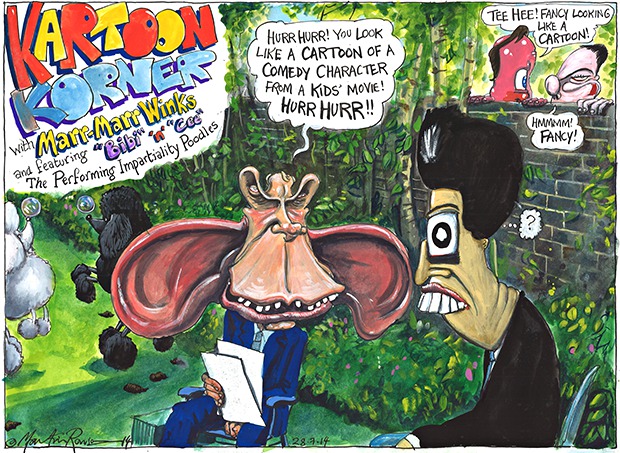
MaxK - 27 Jul 2014 23:34 - 44370 of 81564

hilary
 - 28 Jul 2014 07:31
- 44371 of 81564
- 28 Jul 2014 07:31
- 44371 of 81564

MaxK - 27 Jul 2014 19:37 - 44370 of 44372
None of the big three exactly come across as "the real deal"
There aren't a big 'three'. The UK operates a two-party system. It might pretend to operate a multi-party system, but it doesn't. It has always operated a two-party system, and it will continue to operate a two-party system all the time that first past the post voting is used. And because a two-party system has been allowed to exist, there now isn't any hope of the constitutional change which would introduce the proportional representation voting which would allow a true multi-party system to develop. It's a Catch 22.
Garage and Clegg can bang on till the cows come home about their political influence, but the simple truth is they have no influence whatsoever. They're both political ideologists who need to smell the coffee and get a grip on reality.
If you don't believe me, try Googling Duverger's law.
None of the big three exactly come across as "the real deal"
There aren't a big 'three'. The UK operates a two-party system. It might pretend to operate a multi-party system, but it doesn't. It has always operated a two-party system, and it will continue to operate a two-party system all the time that first past the post voting is used. And because a two-party system has been allowed to exist, there now isn't any hope of the constitutional change which would introduce the proportional representation voting which would allow a true multi-party system to develop. It's a Catch 22.
Garage and Clegg can bang on till the cows come home about their political influence, but the simple truth is they have no influence whatsoever. They're both political ideologists who need to smell the coffee and get a grip on reality.
If you don't believe me, try Googling Duverger's law.
goldfinger
- 28 Jul 2014 09:50
- 44372 of 81564
Ukip voters will make Ed Miliband Prime Minister, Labour claims
If just nine per cent of voters support Ukip then Ed Miliband will become prime minister, according to Labour researchers.

By James Kirkup10:00PM BST 27 Jul 2014
Ed Miliband will become prime minister if Ukip wins more than nine per cent of the vote in next year’s general election, Labour advisers have calculated.
Mr Miliband’s strategists have calculated that a significant vote for the Eurosceptic party will cost the Conservatives enough seats to put Labour in office, The Telegraph has learnt.
Senior Labour figures say that, despite losses to Ukip in recent local elections, Mr Miliband’s team believe their party has a lot to gain from its advances and the final result in May’s general election may hinge on how Mr Farage's party performs.
Ukip took three per cent of the vote in 2010, but has since seen its polling figures soar. It took 27 per cent in the European elections, and is at about 13 per cent in current opinion polls.
Polling by Lord Ashcroft, a Tory peer, has shown that of those people who backed Ukip in this year’s European elections, 52 per cent had voted Conservative in 2010. Only 15 per cent were former Labour voters.
Labour sources say the party’s private polling suggests a similar split, leading Mr Miliband’s team to conclude that Ukip is a bigger threat to the Tories than Labour.
“The Tories lose a lot more than we do from a decent Ukip performance,” said a senior Labour campaign source. “The whole election could hang on how many of their current voters stick with them next May.”
Some Opposition figures, including Ed Balls, the shadow chancellor, and Andy Burnham, the shadow health secretary, have called for the party to take a tougher line on Ukip, fearing that Mr Farage’s party will eat into Labour’s traditional working-class vote.
But others involved in the Labour election campaign have persuaded Mr Miliband that Ukip gains are good for Labour’s prospects.
Another Lord Ashcroft poll last week showed that Ukip was performing well enough in marginal constituencies to take at least two Commons seats, Thurrock and South Thanet, both currently held by the Tories.
Senior Conservatives admit privately that winning back a significant number of today’s Ukip supporters is a “strategic priority” for them.
Lynton Crosby, the Conservatives’ polling adviser, has told colleagues that Ukip voters could be divided into three distinct groups: “natural” Tories who would return to the party next year; waverers who could be persuaded to return, and a smaller group of irreconcilables who were permanently lost to the Conservatives.
Some Tory strategists believe that the best way to win back wavering Ukip supporters is by warning them that a vote for Mr Farage’s party helps Labour.
As a response to that argument, Mr Farage has been talking up Ukip’s ability to take votes away from Labour, highlighting his party’s gains in Labour areas.
Earlier this month, the Ukip leader proposed a deal with the Tories in which the Conservatives would agree not to contest working-class marginals where he claimed Ukip could defeat Labour. In exchange, Ukip would not run candidates in more affluent Tory-held seats.
Without such a deal, Mr Farage said a solid Ukip vote among working-class voters meant “there are a number of seats here that [Conservatives] probably aren’t going to win but that Labour probably is going to win.”
Some senior Ukip figures have even suggested that their party could cost the Tories enough seats – and win enough of their own – to end up holding the balance of power in a hung Parliament in a close election.
A ComRes poll in May commissioned by Ukip donor Paul Sykes found that 37 per cent of Ukip voters said that they were “certain” to support the party at the general election. Another 49 per cent said that they were “likely” to do so.
The British Election Study, an academic project, found in May that more than half of people, 57.6 per cent, intending to vote for UKIP in this year’s European Parliament election intend to stick with the party in the 2015 general election. The proportion was half that number at 25.5 per cent in 2009.
The prospect of losing seats to Labour because of Ukip has added to Conservative fears over the current constituency boundaries, which Tories argue are slanted against them because the urban seats where Labour traditionally wins are smaller than Tory strongholds in the suburbs and countryside.
That means Labour needs fewer votes nationwide to win enough Commons seats for a majority.
The Conservatives attempted to redraw the boundaries in 2011 but we’re thwarted by Labour and the Liberal Democrats.
An all-Tory Government would make a fresh attempt to redraw the boundaries soon after taking office, party sources have said.
If just nine per cent of voters support Ukip then Ed Miliband will become prime minister, according to Labour researchers.
By James Kirkup10:00PM BST 27 Jul 2014
Ed Miliband will become prime minister if Ukip wins more than nine per cent of the vote in next year’s general election, Labour advisers have calculated.
Mr Miliband’s strategists have calculated that a significant vote for the Eurosceptic party will cost the Conservatives enough seats to put Labour in office, The Telegraph has learnt.
Senior Labour figures say that, despite losses to Ukip in recent local elections, Mr Miliband’s team believe their party has a lot to gain from its advances and the final result in May’s general election may hinge on how Mr Farage's party performs.
Ukip took three per cent of the vote in 2010, but has since seen its polling figures soar. It took 27 per cent in the European elections, and is at about 13 per cent in current opinion polls.
Polling by Lord Ashcroft, a Tory peer, has shown that of those people who backed Ukip in this year’s European elections, 52 per cent had voted Conservative in 2010. Only 15 per cent were former Labour voters.
Labour sources say the party’s private polling suggests a similar split, leading Mr Miliband’s team to conclude that Ukip is a bigger threat to the Tories than Labour.
“The Tories lose a lot more than we do from a decent Ukip performance,” said a senior Labour campaign source. “The whole election could hang on how many of their current voters stick with them next May.”
Some Opposition figures, including Ed Balls, the shadow chancellor, and Andy Burnham, the shadow health secretary, have called for the party to take a tougher line on Ukip, fearing that Mr Farage’s party will eat into Labour’s traditional working-class vote.
But others involved in the Labour election campaign have persuaded Mr Miliband that Ukip gains are good for Labour’s prospects.
Another Lord Ashcroft poll last week showed that Ukip was performing well enough in marginal constituencies to take at least two Commons seats, Thurrock and South Thanet, both currently held by the Tories.
Senior Conservatives admit privately that winning back a significant number of today’s Ukip supporters is a “strategic priority” for them.
Lynton Crosby, the Conservatives’ polling adviser, has told colleagues that Ukip voters could be divided into three distinct groups: “natural” Tories who would return to the party next year; waverers who could be persuaded to return, and a smaller group of irreconcilables who were permanently lost to the Conservatives.
Some Tory strategists believe that the best way to win back wavering Ukip supporters is by warning them that a vote for Mr Farage’s party helps Labour.
As a response to that argument, Mr Farage has been talking up Ukip’s ability to take votes away from Labour, highlighting his party’s gains in Labour areas.
Earlier this month, the Ukip leader proposed a deal with the Tories in which the Conservatives would agree not to contest working-class marginals where he claimed Ukip could defeat Labour. In exchange, Ukip would not run candidates in more affluent Tory-held seats.
Without such a deal, Mr Farage said a solid Ukip vote among working-class voters meant “there are a number of seats here that [Conservatives] probably aren’t going to win but that Labour probably is going to win.”
Some senior Ukip figures have even suggested that their party could cost the Tories enough seats – and win enough of their own – to end up holding the balance of power in a hung Parliament in a close election.
A ComRes poll in May commissioned by Ukip donor Paul Sykes found that 37 per cent of Ukip voters said that they were “certain” to support the party at the general election. Another 49 per cent said that they were “likely” to do so.
The British Election Study, an academic project, found in May that more than half of people, 57.6 per cent, intending to vote for UKIP in this year’s European Parliament election intend to stick with the party in the 2015 general election. The proportion was half that number at 25.5 per cent in 2009.
The prospect of losing seats to Labour because of Ukip has added to Conservative fears over the current constituency boundaries, which Tories argue are slanted against them because the urban seats where Labour traditionally wins are smaller than Tory strongholds in the suburbs and countryside.
That means Labour needs fewer votes nationwide to win enough Commons seats for a majority.
The Conservatives attempted to redraw the boundaries in 2011 but we’re thwarted by Labour and the Liberal Democrats.
An all-Tory Government would make a fresh attempt to redraw the boundaries soon after taking office, party sources have said.
MaxK - 28 Jul 2014 10:06 - 44373 of 81564
gf, I think Hilary has hit the nail on the head with #44373.
The problem tho is that there is next to no difference between the cons and nulab.
Regardless of which of the two get back in, it will be business as usual...decline!
I've had enough of the same old bollox, so I'm going to try something different.
If it fails, so what, I will be no worse off....But should it succeed in breaking up the cozy consensus, then we might have a chance.
The problem tho is that there is next to no difference between the cons and nulab.
Regardless of which of the two get back in, it will be business as usual...decline!
I've had enough of the same old bollox, so I'm going to try something different.
If it fails, so what, I will be no worse off....But should it succeed in breaking up the cozy consensus, then we might have a chance.
cynic
- 28 Jul 2014 10:08
- 44374 of 81564
if labour are standing up to say that ukip will get them into power rather than their own policies and leadership, it tells you plenty
Haystack
- 28 Jul 2014 10:30
- 44375 of 81564
Hilary is right. For many years, the Libs have been the party of protest. The new reality is that the protest vote has become fragmented. The current suspects are Greens, UKIP and Libs. They may poll at high levels during a parliament, but fall back to protest levels in the GE.
We are lucky to have a first past the post system. Countries that have a different system are constantly held hostage to crazy coalition partners. Constant coalitions inhibit legislation, water down reform and have a tendency to extremism.
Labour may say all sorts about UKIP giving them victory, but there is a good US political slogan, "If you are explaining, you are losing".
We are lucky to have a first past the post system. Countries that have a different system are constantly held hostage to crazy coalition partners. Constant coalitions inhibit legislation, water down reform and have a tendency to extremism.
Labour may say all sorts about UKIP giving them victory, but there is a good US political slogan, "If you are explaining, you are losing".
goldfinger
- 28 Jul 2014 10:30
- 44376 of 81564
Yep Cyners, you mean like the 24 Tory back benches with small majoritys who wanted to do a deal with UKIP so they could remain in power, yep bud your totaly right.
goldfinger
- 28 Jul 2014 10:34
- 44377 of 81564
UKIP polling between 17% and 13% in the polls labour looking for just 9%(thats a net figure aswel), looks like Labour will win with a small majority, and UKIP will certainly have at least 1 seat.
goldfinger
- 28 Jul 2014 10:39
- 44378 of 81564
Max said.......
MaxK - 28 Jul 2014 10:06 - 44375 of 44379
gf,
The problem tho is that there is next to no difference between the cons and nulab............ENDS
Sorry Max no I disagree thats what Lynton Crosby and the Tories want the electorate to believe, theirs a massive difference between the 2 partys and you will see it once the parties publish their manifestos.
Labour for instance are going to go for rather than a income tax system of raising tax to an asset system of raising tax over a gradual period.
MaxK - 28 Jul 2014 10:06 - 44375 of 44379
gf,
The problem tho is that there is next to no difference between the cons and nulab............ENDS
Sorry Max no I disagree thats what Lynton Crosby and the Tories want the electorate to believe, theirs a massive difference between the 2 partys and you will see it once the parties publish their manifestos.
Labour for instance are going to go for rather than a income tax system of raising tax to an asset system of raising tax over a gradual period.
goldfinger
- 28 Jul 2014 10:52
- 44379 of 81564
And all this talk of the lib/dems and UKIP cant influence policy whatsoever, absolute bile.
People with such short memorys, all you need to do is go back to the first 2 years of the coalition where each party traded 1 policy in exchange for the others policy and voted accordingly.
The lib/dems for example got the £10,000 without paying tax into the constitution, they exchanged it for a step down on proportional representation, their are many others aswel small ones which we dont see being passed.
And if you remember they voted with labour over the war in Syria, where Camoron had his ass kicked.
Dont tell me they dont have any influence because they do.
People with such short memorys, all you need to do is go back to the first 2 years of the coalition where each party traded 1 policy in exchange for the others policy and voted accordingly.
The lib/dems for example got the £10,000 without paying tax into the constitution, they exchanged it for a step down on proportional representation, their are many others aswel small ones which we dont see being passed.
And if you remember they voted with labour over the war in Syria, where Camoron had his ass kicked.
Dont tell me they dont have any influence because they do.
Haystack
- 28 Jul 2014 10:55
- 44380 of 81564
UKIP can poll any figures at present, but their support will disappear come the GE.
Haystack
- 28 Jul 2014 10:58
- 44381 of 81564
The Libs only had influence as part of a coalition. UKIP won't be in a coalition. After the GE, UKIP will revert to being the loony fringe. Max Hastings famously called the Libs 'the silly party'. UKIP are 'the very silly party'.
goldfinger
- 28 Jul 2014 11:22
- 44382 of 81564
LOL. the truth is the Tories and the likes of Hays are scared shi-less what UKIP are going to do at the GE.
Their worst nightmare is that they will let labour in through the backdoor and so try to discredit UKIP at every chance they get.
Sorry hays keep trying but you wont shift people who have come to hate the Posh Boys.
Their worst nightmare is that they will let labour in through the backdoor and so try to discredit UKIP at every chance they get.
Sorry hays keep trying but you wont shift people who have come to hate the Posh Boys.
goldfinger
- 28 Jul 2014 11:24
- 44383 of 81564
In fact it was UKIP that put pressure on the Tories to call a referendum on Europe in 2017, now if that isnt influencing policy I dont know what is.
goldfinger
- 28 Jul 2014 11:46
- 44384 of 81564
(Infographic) The Top 10 Regrets In Life By Those About To Die
1. “Never pursuing dreams and aspirations”
The number one regret we found that people have on their death beds is that they were never brave enough to pursue their dreams, but settled for what others expected of them. When they look back at their lives, they tend to recall their unreached goals and aspirations. They are often haunted by decisions that resulted in the lives they ended up with.
While you still have a lot of years to live, be sure to make some time for reaching your dreams. Start working toward your goals now; don’t keep putting things off until it’s too late.
2. “I worked too much and never made time for my family”
Excessive dedication to work causes a person to spend less time with their loved ones. Parents can even miss out on the lives of their children, because they spent their best years pursuing careers and making money.
Everybody needs to work to generate income, and money is necessary to sustain our lifestyles. But don’t ever sacrifice your family time just to make more money. It would do you good to determine what is really important. Do away with unnecessary expenses and things that only crowd your life – this will make room for improved relationships and better lifestyle choices.
3. “I should have made more time for my friends”
When health and youth have faded, people realize what are truly valuable – they find that all their income and achievements amount to nothing in the end. What really matters in those last few moments are the people who are dear to them. At that time, they tend to miss their friends.
It’s so easy to get lost in the daily grind that you forget to take care of your relationships. If you don’t intentionally stay in touch, you may lose contact with your friends through the years.
4. “I should have said ‘I Love You’ a lot more”
The importance of love becomes more pronounced towards the end of life. At this time, unreturned of love will also be more painful.
It can be hard to tell someone that you love them, especially if you fear rejection. But not being able to express those feelings will leave an unsettled need in you, and possibly affect all future relationships. If you are afraid of getting hurt, remember that it’s better to make your love known than to spend the rest of your life dwelling on what could have been.
5. “I should have spoken my mind instead of holding back and resenting things”
A lot of people choose not to confront those who offend them, thinking that this would keep things civil. In truth, suppressing anger breeds bitterness, which leads to various diseases. Harboring bitterness also makes you emotionally crippled and prevents you from fulfilling your true potential.
If you want to have healthy relationships, honesty and confrontation are necessary. The common misconception about confrontation is that it creates division. In reality, if it’s done kindly and constructively, confrontation deepens mutual respect and understanding. When you express negative emotions properly, it also allows you to let go of the resentment so you don’t have to carry it for the rest of your life.
6. “I should have been the bigger person and resolved my conflicts”
A lot of times, death beds and funerals are more miserable because of broken relationships that were never restored. Relationships are ruined when misunderstandings are not dealt with immediately; this may result in a lifetime of hostility.
Conflicts are a part of life; you can’t avoid them, but you should never let your anger last for more than a day. Choose to forgive. Right the wrongs that you can, while you can.
7. “I wish I had children”
As people age, they often feel lonely and long for the company of their sons and daughters. Those who never had children often have regrets about having no one to comfort them or inherit their legacy.
With today’s modern thinking, kids may be viewed as inconveniences or hindrances to pursuing your goals. But keep in mind that your children will be the ones to show you love when you are old. They will also be the ones to whom you will entrust everything you’ve worked hard for after you’re gone.
8. “I should have saved more money for my retirement”
Failing to plan for the retirement years leaves people destitute in their old age. When that happens, their last moments on earth can be very difficult and miserable.
While you are young, you might not yet grasp the reality of retirement, but it’s important to make a plan for yourself. Be careful not to spend too much on things you think you need now; think about providing a comfortable life for yourself in the future.
9. “Not having the courage to live truthfully”
Looking back, people would wonder whether things would have been better if they were truly honest about who they really are. They think about the distress they caused themselves and others by pretending to be someone they’re not. You will naturally have concerns about whether people would reject you or accept you if you came clean; you might find it easier to compromise yourself just to be liked or loved. There are some situations when things need to be kept hidden, but honesty is generally admired. If you are reviled for who you really are, then that’s how you can determine the people who really love you. If you don’t yet have the courage to be truthful to others, you can start being truthful to yourself.
10. “Happiness is always a choice, I wish I knew that earlier”
People rarely realize that they can choose to be happy. It’s so easy to play the victim of circumstance and prevent yourself from moving on in your life. You tend to settle for mediocrity because it’s familiar; you pretend to be content because you’re too afraid to explore.
Make a choice to have a happy life. Be unafraid of change, and don’t worry about what others think of you. Learn to relax and appreciate the good things.
1. “Never pursuing dreams and aspirations”
The number one regret we found that people have on their death beds is that they were never brave enough to pursue their dreams, but settled for what others expected of them. When they look back at their lives, they tend to recall their unreached goals and aspirations. They are often haunted by decisions that resulted in the lives they ended up with.
While you still have a lot of years to live, be sure to make some time for reaching your dreams. Start working toward your goals now; don’t keep putting things off until it’s too late.
2. “I worked too much and never made time for my family”
Excessive dedication to work causes a person to spend less time with their loved ones. Parents can even miss out on the lives of their children, because they spent their best years pursuing careers and making money.
Everybody needs to work to generate income, and money is necessary to sustain our lifestyles. But don’t ever sacrifice your family time just to make more money. It would do you good to determine what is really important. Do away with unnecessary expenses and things that only crowd your life – this will make room for improved relationships and better lifestyle choices.
3. “I should have made more time for my friends”
When health and youth have faded, people realize what are truly valuable – they find that all their income and achievements amount to nothing in the end. What really matters in those last few moments are the people who are dear to them. At that time, they tend to miss their friends.
It’s so easy to get lost in the daily grind that you forget to take care of your relationships. If you don’t intentionally stay in touch, you may lose contact with your friends through the years.
4. “I should have said ‘I Love You’ a lot more”
The importance of love becomes more pronounced towards the end of life. At this time, unreturned of love will also be more painful.
It can be hard to tell someone that you love them, especially if you fear rejection. But not being able to express those feelings will leave an unsettled need in you, and possibly affect all future relationships. If you are afraid of getting hurt, remember that it’s better to make your love known than to spend the rest of your life dwelling on what could have been.
5. “I should have spoken my mind instead of holding back and resenting things”
A lot of people choose not to confront those who offend them, thinking that this would keep things civil. In truth, suppressing anger breeds bitterness, which leads to various diseases. Harboring bitterness also makes you emotionally crippled and prevents you from fulfilling your true potential.
If you want to have healthy relationships, honesty and confrontation are necessary. The common misconception about confrontation is that it creates division. In reality, if it’s done kindly and constructively, confrontation deepens mutual respect and understanding. When you express negative emotions properly, it also allows you to let go of the resentment so you don’t have to carry it for the rest of your life.
6. “I should have been the bigger person and resolved my conflicts”
A lot of times, death beds and funerals are more miserable because of broken relationships that were never restored. Relationships are ruined when misunderstandings are not dealt with immediately; this may result in a lifetime of hostility.
Conflicts are a part of life; you can’t avoid them, but you should never let your anger last for more than a day. Choose to forgive. Right the wrongs that you can, while you can.
7. “I wish I had children”
As people age, they often feel lonely and long for the company of their sons and daughters. Those who never had children often have regrets about having no one to comfort them or inherit their legacy.
With today’s modern thinking, kids may be viewed as inconveniences or hindrances to pursuing your goals. But keep in mind that your children will be the ones to show you love when you are old. They will also be the ones to whom you will entrust everything you’ve worked hard for after you’re gone.
8. “I should have saved more money for my retirement”
Failing to plan for the retirement years leaves people destitute in their old age. When that happens, their last moments on earth can be very difficult and miserable.
While you are young, you might not yet grasp the reality of retirement, but it’s important to make a plan for yourself. Be careful not to spend too much on things you think you need now; think about providing a comfortable life for yourself in the future.
9. “Not having the courage to live truthfully”
Looking back, people would wonder whether things would have been better if they were truly honest about who they really are. They think about the distress they caused themselves and others by pretending to be someone they’re not. You will naturally have concerns about whether people would reject you or accept you if you came clean; you might find it easier to compromise yourself just to be liked or loved. There are some situations when things need to be kept hidden, but honesty is generally admired. If you are reviled for who you really are, then that’s how you can determine the people who really love you. If you don’t yet have the courage to be truthful to others, you can start being truthful to yourself.
10. “Happiness is always a choice, I wish I knew that earlier”
People rarely realize that they can choose to be happy. It’s so easy to play the victim of circumstance and prevent yourself from moving on in your life. You tend to settle for mediocrity because it’s familiar; you pretend to be content because you’re too afraid to explore.
Make a choice to have a happy life. Be unafraid of change, and don’t worry about what others think of you. Learn to relax and appreciate the good things.
ExecLine
- 28 Jul 2014 12:17
- 44385 of 81564
From: http://www.telegraph.co.uk/news/politics/ed-miliband/10994451/Ed-Wallace-Milibands-problem-is-that-hes-wearing-the-wrong-trousers.html
Ed 'Wallace' Miliband's problem is that he's wearing the wrong trousers
Ed Miliband is right that policies, not image, are what counts, but his ideas add up to nothing
by Boris Johnson July 28, 2014
Now you may think that a little bit rich coming from a guy who has just advertised for yet another “broadcast officer” on £80,000 a year, and who is apparently talking to professors of autism about how he can show more empathy when in public, but never mind. He is surely right.
It doesn’t matter, if you are a politician, whether you approach a bacon sarnie with the daintiness of Barbara Cartland or the carnivorous savagery of Luis Suárez. It doesn’t matter whether you look like Elle Macpherson or Jabba the Hutt – what counts is whether you have good, big ideas to tackle the many problems of a vast and mature Western democracy such as Britain.
So we were all naturally on tenterhooks when Miliband went on The Andrew Marr Show. We had heard the drum roll – now for the ideas! The substance! The gristly intellectual substrate beneath all this irritating media froth that he so rightly deplored. Perhaps he was going to explain why Marx had got some things right; perhaps we were going to get a definition of Ed Miliband’s baffling concept of “predistribution”, which seems to mean taking away people’s money before they have even earned it.
Even in the governance of London, the public question time is standard stuff. The London Mayor and Assembly members are constantly to be found in school gyms and church halls, month in and month out, inflicting our opinions on innocent members of the public who have wandered in and stuck up their hand. If anything, people need some measure of protection from the unremitting levels of interaction that we want to provide.
But I needed to be fair to Ed – we went to the same school, after all – and so I checked that this was really the best he could do. So unlike 99.9 per cent of the population, I have gone back to the text of his great let’s-have-ideas-not-spin speech. I have read every word. I have sieved it and strained it for the smallest crouton of substance, anything at all that you could get your teeth into. Have a look yourself: it’s there online.
It is not a rich minestrone of policies. It is a watery and flavourless consommé of nothingness. There is absolutely nothing that corresponds to an idea that is either new or big; just a couple of paragraphs in which he makes a passing allusion to some of his small, old, bad ideas – before he gets back to the subject that he thinks is really important, viz his so-called image problem, the size of his teeth, etc etc.
In so far as he is willing to discuss policy at all, he reminds us in a few short and verbless phrases that he wants to bash the banks with a new levy – a mindless solution to the problems of financial sector irresponsibility, which will damage one of the strongest bits of the economy. He wants to put up taxes for the rich – which might gratify the vindictiveness of the Labour Left, but which will achieve nothing of economic value for this country; quite the reverse. He wants to poke the energy companies in the eye – a measure that will not exactly help them build the power stations we desperately need. And he wants to give over-mighty press barons a kicking, you know, er, like his ludicrous apology for posing with a copy of the Sun, a paper read by millions of people including a great many Labour voters… and that’s it.
These are the things he has now been saying for years, and it is this approach that has left him with the worst ratings of any Labour leader since Michael Foot.
Where are the detailed plans to tackle educational inequality, to reform welfare, to give the country the homes it needs, to provide the infrastructure for Britain to compete? They are being driven forward by the Conservative-led coalition. Ask yourself: what concrete policies is Ed Miliband offering – large or small – that will help encourage the spirit of enterprise in this country, so that we can create the wealth to pay for the poorest and neediest?
How can you take this country forward if you are offering nothing but a handful of knee-jerk attacks on businesses of all kinds? The answer is that you can’t.
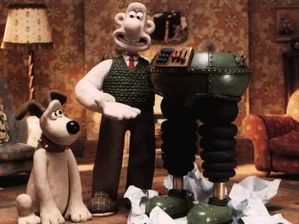
Ed Miliband’s problem is not so much that he looks like Wallace. He should look at the films of the great Nick Park to see what has gone wrong. As soon as he was elected leader of the Labour party, he woke up, pressed for assistance on his special gizmo, and then he was shot through a hatch in the floor into a sinister pair of automatic steel leggings that are moving him irresistibly away from Blairism and in a direction of Leftist irrelevance. He hasn’t got the wrong face – he’s wearing the wrong trousers! And who is the blinking-eyed penguin who is controlling him? It’s Len McCluskey and the unions, of course.
Ed Miliband is absolutely right to say that politics should be about ideas, and he is right to say that these should be more important than image. But the awful fact – confirmed by this speech – is that, frankly, Miliband’s image and photo-opportunities are the best things he has in his political programme.
Ed 'Wallace' Miliband's problem is that he's wearing the wrong trousers
Ed Miliband is right that policies, not image, are what counts, but his ideas add up to nothing
by Boris Johnson July 28, 2014
Now you may think that a little bit rich coming from a guy who has just advertised for yet another “broadcast officer” on £80,000 a year, and who is apparently talking to professors of autism about how he can show more empathy when in public, but never mind. He is surely right.
It doesn’t matter, if you are a politician, whether you approach a bacon sarnie with the daintiness of Barbara Cartland or the carnivorous savagery of Luis Suárez. It doesn’t matter whether you look like Elle Macpherson or Jabba the Hutt – what counts is whether you have good, big ideas to tackle the many problems of a vast and mature Western democracy such as Britain.
So we were all naturally on tenterhooks when Miliband went on The Andrew Marr Show. We had heard the drum roll – now for the ideas! The substance! The gristly intellectual substrate beneath all this irritating media froth that he so rightly deplored. Perhaps he was going to explain why Marx had got some things right; perhaps we were going to get a definition of Ed Miliband’s baffling concept of “predistribution”, which seems to mean taking away people’s money before they have even earned it.
Even in the governance of London, the public question time is standard stuff. The London Mayor and Assembly members are constantly to be found in school gyms and church halls, month in and month out, inflicting our opinions on innocent members of the public who have wandered in and stuck up their hand. If anything, people need some measure of protection from the unremitting levels of interaction that we want to provide.
But I needed to be fair to Ed – we went to the same school, after all – and so I checked that this was really the best he could do. So unlike 99.9 per cent of the population, I have gone back to the text of his great let’s-have-ideas-not-spin speech. I have read every word. I have sieved it and strained it for the smallest crouton of substance, anything at all that you could get your teeth into. Have a look yourself: it’s there online.
It is not a rich minestrone of policies. It is a watery and flavourless consommé of nothingness. There is absolutely nothing that corresponds to an idea that is either new or big; just a couple of paragraphs in which he makes a passing allusion to some of his small, old, bad ideas – before he gets back to the subject that he thinks is really important, viz his so-called image problem, the size of his teeth, etc etc.
In so far as he is willing to discuss policy at all, he reminds us in a few short and verbless phrases that he wants to bash the banks with a new levy – a mindless solution to the problems of financial sector irresponsibility, which will damage one of the strongest bits of the economy. He wants to put up taxes for the rich – which might gratify the vindictiveness of the Labour Left, but which will achieve nothing of economic value for this country; quite the reverse. He wants to poke the energy companies in the eye – a measure that will not exactly help them build the power stations we desperately need. And he wants to give over-mighty press barons a kicking, you know, er, like his ludicrous apology for posing with a copy of the Sun, a paper read by millions of people including a great many Labour voters… and that’s it.
These are the things he has now been saying for years, and it is this approach that has left him with the worst ratings of any Labour leader since Michael Foot.
Where are the detailed plans to tackle educational inequality, to reform welfare, to give the country the homes it needs, to provide the infrastructure for Britain to compete? They are being driven forward by the Conservative-led coalition. Ask yourself: what concrete policies is Ed Miliband offering – large or small – that will help encourage the spirit of enterprise in this country, so that we can create the wealth to pay for the poorest and neediest?
How can you take this country forward if you are offering nothing but a handful of knee-jerk attacks on businesses of all kinds? The answer is that you can’t.
Ed Miliband’s problem is not so much that he looks like Wallace. He should look at the films of the great Nick Park to see what has gone wrong. As soon as he was elected leader of the Labour party, he woke up, pressed for assistance on his special gizmo, and then he was shot through a hatch in the floor into a sinister pair of automatic steel leggings that are moving him irresistibly away from Blairism and in a direction of Leftist irrelevance. He hasn’t got the wrong face – he’s wearing the wrong trousers! And who is the blinking-eyed penguin who is controlling him? It’s Len McCluskey and the unions, of course.
Ed Miliband is absolutely right to say that politics should be about ideas, and he is right to say that these should be more important than image. But the awful fact – confirmed by this speech – is that, frankly, Miliband’s image and photo-opportunities are the best things he has in his political programme.
MaxK - 28 Jul 2014 14:21 - 44386 of 81564
"And who is the blinking-eyed penguin who is controlling him?"
LOL !
LOL !
goldfinger
- 28 Jul 2014 14:47
- 44387 of 81564
What would YOU ask David Cameron in Public Prime Minister’s Questions?
27 Sunday Jul 2014
Posted by Mike Sivier in Austerity

Mile-wide: Mr Miliband explained his idea to bridge the gulf between the public and the Prime Minister to Andrew Marr.
Ed Miliband engaged in a particularly compelling piece of kite-flying today (July 27) – he put out the idea that the public should have their own version of Prime Minister’s Questions.
Speaking to Andrew Marr, he said such an event would “bridge the ‘mile-wide’ gulf between what people want and what they get from Prime Minister’s Questions”, which has been vilified in recent years for uncivilised displays of tribal hostility between political parties and their leaders (David Cameron being the worst offender) and nicknamed ‘Wednesday Shouty Time’.
“I think what we need is a public question time where regularly the prime minister submits himself or herself to questioning from members of the public in the Palace of Westminster on Wednesdays,” said Mr Miliband.
“At the moment there are a few inches of glass that separates the public in the gallery from the House of Commons but there is a gulf a mile wide between the kind of politics people want and what Prime Minister’s Questions offers.”
What would you ask David Cameron?
Would you demand a straight answer to the question that has dogged the Department for Work and Pensions for almost three years, now – “How many people are your ‘welfare reform’ policies responsible for killing?”
Would you ask him why his government, which came into office claiming it would be the most “transparent” administration ever, has progressively denied more and more important information to the public?
Would you ask him whether he thinks it is right for a Prime Minister to knowingly attempt to mislead the public, as he himself has done repeatedly over the privatisation of the National Health Service, the benefit cap, the bedroom tax, food banks, fracking…? The list is as long as you want to make it.
What about his policies on austerity? Would you ask him why his government of millionaires insists on inflicting deprivation on the poor when the only economic policy that has worked involved investment in the system, rather than taking money away?
His government’s part-privatisation of the Royal Mail was a total cack-handed disaster that has cost the nation £1 billion and put our mail in the hands of hedge funds. Would you ask him why he is so doggedly determined to stick to privatisation policies that push up prices and diminish quality of service. Isn’t it time some of these private companies were re-nationalised – the energy firms being prime examples?
Would you want to know why his government has passed so many laws to restrict our freedoms – of speech, of association, of access to justice – and why it intends to pass more, ending the government’s acknowledgement that we have internationally-agreed human rights and restricting us to a ‘Bill of Rights’ dictated by his government, and tying us to restrictive lowest-common-denominator employment conditions laid down according to the Transatlantic Trade and Investment Partnership, a grubby little deal that the EU and USA were trying to sign in secret until the whistle was blown on it?
Would you ask him something else?
Or do you think this is a bad idea?
What do you think?
27 Sunday Jul 2014
Posted by Mike Sivier in Austerity
Mile-wide: Mr Miliband explained his idea to bridge the gulf between the public and the Prime Minister to Andrew Marr.
Ed Miliband engaged in a particularly compelling piece of kite-flying today (July 27) – he put out the idea that the public should have their own version of Prime Minister’s Questions.
Speaking to Andrew Marr, he said such an event would “bridge the ‘mile-wide’ gulf between what people want and what they get from Prime Minister’s Questions”, which has been vilified in recent years for uncivilised displays of tribal hostility between political parties and their leaders (David Cameron being the worst offender) and nicknamed ‘Wednesday Shouty Time’.
“I think what we need is a public question time where regularly the prime minister submits himself or herself to questioning from members of the public in the Palace of Westminster on Wednesdays,” said Mr Miliband.
“At the moment there are a few inches of glass that separates the public in the gallery from the House of Commons but there is a gulf a mile wide between the kind of politics people want and what Prime Minister’s Questions offers.”
What would you ask David Cameron?
Would you demand a straight answer to the question that has dogged the Department for Work and Pensions for almost three years, now – “How many people are your ‘welfare reform’ policies responsible for killing?”
Would you ask him why his government, which came into office claiming it would be the most “transparent” administration ever, has progressively denied more and more important information to the public?
Would you ask him whether he thinks it is right for a Prime Minister to knowingly attempt to mislead the public, as he himself has done repeatedly over the privatisation of the National Health Service, the benefit cap, the bedroom tax, food banks, fracking…? The list is as long as you want to make it.
What about his policies on austerity? Would you ask him why his government of millionaires insists on inflicting deprivation on the poor when the only economic policy that has worked involved investment in the system, rather than taking money away?
His government’s part-privatisation of the Royal Mail was a total cack-handed disaster that has cost the nation £1 billion and put our mail in the hands of hedge funds. Would you ask him why he is so doggedly determined to stick to privatisation policies that push up prices and diminish quality of service. Isn’t it time some of these private companies were re-nationalised – the energy firms being prime examples?
Would you want to know why his government has passed so many laws to restrict our freedoms – of speech, of association, of access to justice – and why it intends to pass more, ending the government’s acknowledgement that we have internationally-agreed human rights and restricting us to a ‘Bill of Rights’ dictated by his government, and tying us to restrictive lowest-common-denominator employment conditions laid down according to the Transatlantic Trade and Investment Partnership, a grubby little deal that the EU and USA were trying to sign in secret until the whistle was blown on it?
Would you ask him something else?
Or do you think this is a bad idea?
What do you think?
| About MoneyAM | Ts and Cs | Privacy Policy | Investment Warning | Content Standards | Corporate Solutions | Advertise With Us | Site Map | © 2026 MoneyAM |
Register now for FREE
Share Prices,
Stock Quotes,
Charts, Bulletin Boards, Indices, Watchlists, Portfolio, Market News, Research
or see our Premium Services including Level 2, Terminal and much more.
 Follow us on Twitter