

| Home | Log In | Register | Our Services | My Account | Contact | Help |
You are NOT currently logged in
Register now or login to post to this thread.
THE TALK TO YOURSELF THREAD. (NOWT)
goldfinger

 - 09 Jun 2005 12:25


Thought Id start this one going because its rather dead on this board at the moment and I suppose all my usual muckers are either at the Stella tennis event watching Dim Tim (lose again) or at Henly Regatta eating cucumber sandwiches (they wish,...NOT).
Anyway please feel free to just talk to yourself blast away and let it go on any company or subject you wish. Just wish Id thought of this one before.
cheers GF.
Anyway please feel free to just talk to yourself blast away and let it go on any company or subject you wish. Just wish Id thought of this one before.
cheers GF.
TANKER - 16 Oct 2014 13:42 - 47802 of 81564
cheers shortie what will be will be .
Chris Carson
- 16 Oct 2014 13:44
- 47803 of 81564
by BILL JAMIESON
Published on the
15 October
2014
22:00
Print this
15 comments
Have your say!
Gordon Brown should have known his ‘more powers’ vow would have wider repercussions, writes Bill Jamieson
From the Westminster woods has come the sound of an almighty crash, followed by a blood-curling roar: enter, or more accurately, blunder, Gordon Brown, a howling bear that’s just walked into a trap he should have seen a mile away.
It would have been obvious to any thinking person, and particularly to Gordon Brown, a Member of Parliament for 31 years, that “more powers” for Scots was bound to blow open the West Lothian Question, now going by the name of Evel – English Votes for English Laws.
But it is not just Gordon Brown who has felt the steel trap of consequence snap around his legs. We have collectively walked into a constitutional mess.
• Keep up to date with all aspects of Scottish life with The Scotsman iPhone app, completely free to download and use.
The drive for “more powers” cannot proceed, indeed, was never intended to proceed, on the basis of a profound inequity being left at Westminster – Scots MPs being able to participate and vote on matters affecting England and Wales, such as education and health, while such policy areas are devolved to Scotland.
Many Yes supporters acknowledge the injustice of such a consequence and have sympathy with Evel. Yet diminution of Scots MPs’ participation at Westminster could, as Gordon Brown has warned, create two classes of MPs at Westminster. And – of understandable concern to him and his party – it would in all likelihood deny a future Labour administration a Commons majority.
At present, there are 41 Labour MPs representing Scottish constituencies. Even if the election next May were to see this number cut to around 30, an Ed Miliband premiership would struggle to form an effective government under Evel. Equally, a substantially enhanced number of SNP MPs – an increase from six currently to more than 20 has been forecast – could frustrate a Conservative administration on non-devolved tax issues and matters of welfare reform, defence and security. The UK as we know it could well be ungovernable after 2015.
It should also have been obvious that legislation – and especially legislation involving constitutional reform – is seldom fast or straightforward at Westminster. After all, it has wrestled with House of Lords reform for decades and failed to resolve fundamental questions of purpose, function or equity. Even on matters as urgent as military deployment and internal security, parliament has learnt from experience the dangers of a rush to legislate.
All this has already given rise to accusations of foot-dragging and bad faith. But here’s a thing about parliaments: what looks like “foot-dragging” is a commitment to making sound, robust law in a democracy – legislation that is fair to all. Views have to be heard, propositions tested, compromises made and unintended consequence taken into account, as far as this is possible.
Let’s not deny Gordon Brown any lack of ambition, passion or fundamental good faith in intervening as he did in the final days of the referendum campaign. Politicians of half his experience have long succumbed to a world-weary resignation and cynicism. Not Gordon Brown. He fired up Labour’s dying embers and reconnected many with the shared values of fairness, compassion and equality across the UK. His physical and emotional energy was immense. And it was galvanising.
What undecided voters wanted was a credible assurance that a No vote did not mean status quo ante. This is what lay behind his “more powers” timetable: a white paper to be drawn up by the end of November and a draft new law to be published for a new Scotland Act in January.
But this was highly ambitious on its own terms without taking into account the knock-on consequentials: a change in the nature and scope of Scottish participation at Westminster. And as if this was not complicated enough, Mr Brown has railed against the consequences of devolving full income tax powers to Scotland, which would have the effect inter alia of taking Scots MPs out of large areas of fiscal policy, adding materially to his charge of a Commons with two classes of MP.
All this is unfolding against the backcloth of an increasingly febrile and fractured political mood ahead of a general election next May. Now, with the intervention of Ukip – in many respects the alter-ego of the SNP in England with its demands for a return of voter sovereignty – we look headed for gridlock and crisis.
Quick-fire progression from the “more powers” campaign slogan to legislation enacted by Westminster has thus been quickly ensnared, not only by the need to agree a cross-party check-list of specifics, but now Labour’s decision not to take part in a Cabinet committee chaired by Leader of the Commons William Hague to find ways forward for Commons reform.
Thus was the bear trap sprung for Brown: the perception that Labour is unwilling to consider a solution to the Evel problem could prove damaging to the party in English constituencies in the forthcoming election while Labour in Scotland is set to haemorrhage further support from voters impatient to see “more powers” results.
So what is the way forward through all of this? A temporary solution is available that could get Westminster through this – a voluntary “vow” (oh dear, another one) on Scots MPs not voting on English-only matters while “more powers” legislation is given priority in the parliamentary timetable. The principle that only English MPs should vote on English matters should be reflected in the procedures and standing orders of the House of Commons. This would avoid (for now) the nightmare of primary legislation that would, given the large numbers of lawyers at Westminster, invite challenge, litigation and judicial review.
But a lasting solution will require much more. It would almost certainly involve the creation of something much closer to a federal United Kingdom, with a reconstituted second chamber in which the nations and regions of the UK are represented. Some element of the valuable House of Lords’ work as a revising chamber could be reflected in the selection and appointment of lay, senior, informed and experienced members agreed at national and regional level, a device that could also mitigate the problem of representative asymmetry.
This is a major recasting of the UK constitution and will require something akin to Labour’s proposal of a constitutional convention to thrash out. And in due course this reform will need to be put before all UK voters in a referendum.
We can argue over all the ironies and contradictions thrown up by this constitutional merry-go-round: a political class struggling to avoid the break-up of the UK and needing also to respond to the evident disillusion among voters over a remote and disconnected parliament.
This is a pathway of many traps. Gordon Brown is not the only one to find himself ensnared by commitments easily made but extraordinarily complex to deliver. But whether we like it or not, constitutional politics is set for a long run.
If democratic government as we know it is not to descend into never-ending raucous and ill-tempered division we need to find, agree and enact a constitutional structure more responsive and better reflective of voter needs and diversity across the UK. We are a people of changing needs and concerns. And the constitution needs to change with them.
Published on the
15 October
2014
22:00
Print this
15 comments
Have your say!
Gordon Brown should have known his ‘more powers’ vow would have wider repercussions, writes Bill Jamieson
From the Westminster woods has come the sound of an almighty crash, followed by a blood-curling roar: enter, or more accurately, blunder, Gordon Brown, a howling bear that’s just walked into a trap he should have seen a mile away.
It would have been obvious to any thinking person, and particularly to Gordon Brown, a Member of Parliament for 31 years, that “more powers” for Scots was bound to blow open the West Lothian Question, now going by the name of Evel – English Votes for English Laws.
But it is not just Gordon Brown who has felt the steel trap of consequence snap around his legs. We have collectively walked into a constitutional mess.
• Keep up to date with all aspects of Scottish life with The Scotsman iPhone app, completely free to download and use.
The drive for “more powers” cannot proceed, indeed, was never intended to proceed, on the basis of a profound inequity being left at Westminster – Scots MPs being able to participate and vote on matters affecting England and Wales, such as education and health, while such policy areas are devolved to Scotland.
Many Yes supporters acknowledge the injustice of such a consequence and have sympathy with Evel. Yet diminution of Scots MPs’ participation at Westminster could, as Gordon Brown has warned, create two classes of MPs at Westminster. And – of understandable concern to him and his party – it would in all likelihood deny a future Labour administration a Commons majority.
At present, there are 41 Labour MPs representing Scottish constituencies. Even if the election next May were to see this number cut to around 30, an Ed Miliband premiership would struggle to form an effective government under Evel. Equally, a substantially enhanced number of SNP MPs – an increase from six currently to more than 20 has been forecast – could frustrate a Conservative administration on non-devolved tax issues and matters of welfare reform, defence and security. The UK as we know it could well be ungovernable after 2015.
It should also have been obvious that legislation – and especially legislation involving constitutional reform – is seldom fast or straightforward at Westminster. After all, it has wrestled with House of Lords reform for decades and failed to resolve fundamental questions of purpose, function or equity. Even on matters as urgent as military deployment and internal security, parliament has learnt from experience the dangers of a rush to legislate.
All this has already given rise to accusations of foot-dragging and bad faith. But here’s a thing about parliaments: what looks like “foot-dragging” is a commitment to making sound, robust law in a democracy – legislation that is fair to all. Views have to be heard, propositions tested, compromises made and unintended consequence taken into account, as far as this is possible.
Let’s not deny Gordon Brown any lack of ambition, passion or fundamental good faith in intervening as he did in the final days of the referendum campaign. Politicians of half his experience have long succumbed to a world-weary resignation and cynicism. Not Gordon Brown. He fired up Labour’s dying embers and reconnected many with the shared values of fairness, compassion and equality across the UK. His physical and emotional energy was immense. And it was galvanising.
What undecided voters wanted was a credible assurance that a No vote did not mean status quo ante. This is what lay behind his “more powers” timetable: a white paper to be drawn up by the end of November and a draft new law to be published for a new Scotland Act in January.
But this was highly ambitious on its own terms without taking into account the knock-on consequentials: a change in the nature and scope of Scottish participation at Westminster. And as if this was not complicated enough, Mr Brown has railed against the consequences of devolving full income tax powers to Scotland, which would have the effect inter alia of taking Scots MPs out of large areas of fiscal policy, adding materially to his charge of a Commons with two classes of MP.
All this is unfolding against the backcloth of an increasingly febrile and fractured political mood ahead of a general election next May. Now, with the intervention of Ukip – in many respects the alter-ego of the SNP in England with its demands for a return of voter sovereignty – we look headed for gridlock and crisis.
Quick-fire progression from the “more powers” campaign slogan to legislation enacted by Westminster has thus been quickly ensnared, not only by the need to agree a cross-party check-list of specifics, but now Labour’s decision not to take part in a Cabinet committee chaired by Leader of the Commons William Hague to find ways forward for Commons reform.
Thus was the bear trap sprung for Brown: the perception that Labour is unwilling to consider a solution to the Evel problem could prove damaging to the party in English constituencies in the forthcoming election while Labour in Scotland is set to haemorrhage further support from voters impatient to see “more powers” results.
So what is the way forward through all of this? A temporary solution is available that could get Westminster through this – a voluntary “vow” (oh dear, another one) on Scots MPs not voting on English-only matters while “more powers” legislation is given priority in the parliamentary timetable. The principle that only English MPs should vote on English matters should be reflected in the procedures and standing orders of the House of Commons. This would avoid (for now) the nightmare of primary legislation that would, given the large numbers of lawyers at Westminster, invite challenge, litigation and judicial review.
But a lasting solution will require much more. It would almost certainly involve the creation of something much closer to a federal United Kingdom, with a reconstituted second chamber in which the nations and regions of the UK are represented. Some element of the valuable House of Lords’ work as a revising chamber could be reflected in the selection and appointment of lay, senior, informed and experienced members agreed at national and regional level, a device that could also mitigate the problem of representative asymmetry.
This is a major recasting of the UK constitution and will require something akin to Labour’s proposal of a constitutional convention to thrash out. And in due course this reform will need to be put before all UK voters in a referendum.
We can argue over all the ironies and contradictions thrown up by this constitutional merry-go-round: a political class struggling to avoid the break-up of the UK and needing also to respond to the evident disillusion among voters over a remote and disconnected parliament.
This is a pathway of many traps. Gordon Brown is not the only one to find himself ensnared by commitments easily made but extraordinarily complex to deliver. But whether we like it or not, constitutional politics is set for a long run.
If democratic government as we know it is not to descend into never-ending raucous and ill-tempered division we need to find, agree and enact a constitutional structure more responsive and better reflective of voter needs and diversity across the UK. We are a people of changing needs and concerns. And the constitution needs to change with them.
doodlebug4 - 16 Oct 2014 13:51 - 47804 of 81564
Good article Chris.
Chris Carson
- 16 Oct 2014 13:56
- 47805 of 81564
Oct 16, 2014 07:46
OPINION BY TORCUILCRICHTON
TORCUIL believes Labour Party can't afford to be seen to be offering the smallest amount of revenue raising powers to Holyrood out of Westminster parties.
7 Shares
Share
Tweet
+1
Email
Gordon Brown warns against giving full tax powers to Scotland but Labour must compromise
HOW do you reverse out of a lobster creel?
That is the question facing Labour as it takes tentative steps into the Smith Commission on more devolution for Scotland.
David Cameron set out bear jaws for Ed Miliband after the referendum by explicitly linking more Holyrood powers to English votes for English laws.
Sheer Scottish fury made the Prime Minister deactivate that blatant trap.
But by proposing almost full devolution of income tax to Holyrood, the Tories have laid a smarter snare.
Labour enters the talks as the party with the lowest tax devolution offer, 15p out of 20p.
They appear reluctant to deliver tax demands which would allow Ruth Davidson to re-launch the Scottish Tories as the low-tax party.
Labour’s arguments are reasoned, to keep the Union together there has to be shared responsibility for taxation.
The effects of full tax devolution on the UK would be two-fold; it would weaken the pooling of resources for pensions and welfare.
By implication, if English votes are part of the trade-off, there would be less reason to detain Scottish MPs at Westminster.
For Gordon Brown such a move hands the constitutional war to the referendum losers, the SNP.
But in simultaneously opposing both tax devolution and English votes, Labour could be portrayed as anti-Scottish and anti-English in the anti-politics 2015 election. Tricky things, these lobster creels.
A hint of what will go on behind closed doors was offered by Greg McClymont MP in the Commons devolution debate.
The success of the UK, he said, has been based on “England’s tolerance of the desires of the much smaller Celtic nations of this Union.”
Historically the elaborate legal, religious and political balances in the Union ironed out the majority influence of the largest partner, England. It makes Britain a great success. Better, for example, than Holland, the dominant region of the state we should properly call The Netherlands.
If they want to keep the UK the Tories will have to look at the other end of periscope and appreciate that for mongrel Celts sharing an island nation with a dominant partner can seem unfair too.
But it strike me that Labour is going to have to compromise, and up it’s tax offer in that argument for shared responsibilities.
How do you reverse out of a lobster creel? Walk sideways like a crab, I guess.
OPINION BY TORCUILCRICHTON
TORCUIL believes Labour Party can't afford to be seen to be offering the smallest amount of revenue raising powers to Holyrood out of Westminster parties.
7 Shares
Share
Tweet
+1
Gordon Brown warns against giving full tax powers to Scotland but Labour must compromise
HOW do you reverse out of a lobster creel?
That is the question facing Labour as it takes tentative steps into the Smith Commission on more devolution for Scotland.
David Cameron set out bear jaws for Ed Miliband after the referendum by explicitly linking more Holyrood powers to English votes for English laws.
Sheer Scottish fury made the Prime Minister deactivate that blatant trap.
But by proposing almost full devolution of income tax to Holyrood, the Tories have laid a smarter snare.
Labour enters the talks as the party with the lowest tax devolution offer, 15p out of 20p.
They appear reluctant to deliver tax demands which would allow Ruth Davidson to re-launch the Scottish Tories as the low-tax party.
Labour’s arguments are reasoned, to keep the Union together there has to be shared responsibility for taxation.
The effects of full tax devolution on the UK would be two-fold; it would weaken the pooling of resources for pensions and welfare.
By implication, if English votes are part of the trade-off, there would be less reason to detain Scottish MPs at Westminster.
For Gordon Brown such a move hands the constitutional war to the referendum losers, the SNP.
But in simultaneously opposing both tax devolution and English votes, Labour could be portrayed as anti-Scottish and anti-English in the anti-politics 2015 election. Tricky things, these lobster creels.
A hint of what will go on behind closed doors was offered by Greg McClymont MP in the Commons devolution debate.
The success of the UK, he said, has been based on “England’s tolerance of the desires of the much smaller Celtic nations of this Union.”
Historically the elaborate legal, religious and political balances in the Union ironed out the majority influence of the largest partner, England. It makes Britain a great success. Better, for example, than Holland, the dominant region of the state we should properly call The Netherlands.
If they want to keep the UK the Tories will have to look at the other end of periscope and appreciate that for mongrel Celts sharing an island nation with a dominant partner can seem unfair too.
But it strike me that Labour is going to have to compromise, and up it’s tax offer in that argument for shared responsibilities.
How do you reverse out of a lobster creel? Walk sideways like a crab, I guess.
Haystack
- 16 Oct 2014 14:11
- 47806 of 81564
doodlebug4 - 16 Oct 2014 14:34 - 47807 of 81564
£50 for a Halloween suit!
ExecLine
 - 16 Oct 2014 15:14
- 47808 of 81564
- 16 Oct 2014 15:14
- 47808 of 81564

From t'Interweb:
"At times like these the best thing to do is usually nothing at all. An investor who remained fully invested in the market during the 20 years from 1994 would have made a cumulative return of over 300pc. One who missed just the 10 best days in the market by withdrawing during periods of volatility would have reduced their total return by two thirds.
Short-term volatility is the price that stock market investors pay for long-term outperformance."
"At times like these the best thing to do is usually nothing at all. An investor who remained fully invested in the market during the 20 years from 1994 would have made a cumulative return of over 300pc. One who missed just the 10 best days in the market by withdrawing during periods of volatility would have reduced their total return by two thirds.
Short-term volatility is the price that stock market investors pay for long-term outperformance."
goldfinger
- 16 Oct 2014 15:28
- 47809 of 81564
Ahhh but wait on an active fund manager would have beaten that return by at least double.
Say 20 years times 30% a year= 600%
Say 20 years times 30% a year= 600%
cynic
- 16 Oct 2014 15:29
- 47810 of 81564
that's a brave call!
active fund managers are often and rightly accused of churning
active fund managers are often and rightly accused of churning
goldfinger
- 16 Oct 2014 15:33
- 47811 of 81564
Ok somebody with a smaller portfolio and less restrictions, I remember you once saying a few years back you had made over 70% for the year, I regulary do between 60% and 75%.
Add in the Dot Com Year and it blows this even higher.
Add in the Dot Com Year and it blows this even higher.
Shortie - 16 Oct 2014 15:36 - 47812 of 81564
I have no idea what I do on spreads, I make alot more withdrawals than deposits is all I know... On equities and bonds I've lost count, I just hold these and every now and again I either withdraw the divi's or reinvest them.
goldfinger
- 16 Oct 2014 15:37
- 47813 of 81564
DO ANGRY UKIP VOTERS THREATEN TORY FUTURE?
by Peter Kellner in Commentary, Front Page and Politics
Mon October 13, 2014 10:51 a.m. BST
David Cameron has six months in which to stop Ukip’s bandwagon. If he fails, the Conservatives risk not only losing next year’s general election but suffering lasting damage.
http://yougov.co.uk/news/2014/10/13/do-angry-ukip-voters-threaten-tory-future/
by Peter Kellner in Commentary, Front Page and Politics
Mon October 13, 2014 10:51 a.m. BST
David Cameron has six months in which to stop Ukip’s bandwagon. If he fails, the Conservatives risk not only losing next year’s general election but suffering lasting damage.
http://yougov.co.uk/news/2014/10/13/do-angry-ukip-voters-threaten-tory-future/
Shortie - 16 Oct 2014 15:38 - 47814 of 81564
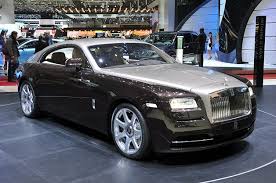
Still I've not got enough yet for one of these..!
goldfinger
- 16 Oct 2014 15:41
- 47815 of 81564
Farage seen as doing better than ever
by William Jordan in Front Page and Politics
Sun October 12, 2014 10:21 a.m. BST
Six in ten voters now say the UKIP leader is doing well, but only 11% think he would make the best Prime Minister out of the main party leaders Nigel Farage has promised victory for Tory defector Mark Reckless in his upcoming by-election in Rochester and Strood, following a week ...
Read more...
http://yougov.co.uk/news/2014/10/12/farage-seen-doing-better-than-ever/
by William Jordan in Front Page and Politics
Sun October 12, 2014 10:21 a.m. BST
Six in ten voters now say the UKIP leader is doing well, but only 11% think he would make the best Prime Minister out of the main party leaders Nigel Farage has promised victory for Tory defector Mark Reckless in his upcoming by-election in Rochester and Strood, following a week ...
Read more...
http://yougov.co.uk/news/2014/10/12/farage-seen-doing-better-than-ever/
doodlebug4 - 16 Oct 2014 15:54 - 47816 of 81564
At the last election Labour enjoyed the benefit of incumbency. They represented a known quantity. People may not have liked Gordon Brown or his administration, but they knew where it stood on the major issues of the day. Back then it was David Cameron and the Tories who represented a leap in the dark. In seven months time it is the black void of an Ed Miliband government the voters will see stretching before them. And come the moment of decision many of them will refuse the invitation to jump.
There is one final reason why the 29 per cent Labour secured in 2010 is no longer the floor for Labour’s vote share. A significant proportion of that 2010 vote has already crumbled away. A YouGov poll published in February found that Labour had lost 26 per cent of its vote from the last election. Half a million Labour voters have died. 1.2 million have switched to other parties. And a further 800,000 say they don’t know how they’ll vote now. In fact, YouGov’s survey found the Tories have more “loyal” voters (6.5 million) than Labour (6.1 million). So, based on those figures, Labour’s base is actually around 21.5 per cent.
It’s unlikely that even Ed Miliband will manage to drag Labour that far down. But those Labour supporters who were reassuring themselves with the thought that at least things couldn’t get worse than 2010 were wrong.
In 2010 Labour had a more popular leader. Since 2010 Labour has not acknowledged its mistakes, nor has it moved on. The only way the Lib Dem vote can go is up. In 2010 there was no SNP threat in Scotland. Or Mansion Tax threat in London. Or Ukip surge. Labour enjoyed the benefits of incumbency. David Cameron and the Tories represented the risk of the unknown. And quarter of those 2010 votes have already melted away.
Things can get worse for Labour. A lot worse.
The Telegraph
There is one final reason why the 29 per cent Labour secured in 2010 is no longer the floor for Labour’s vote share. A significant proportion of that 2010 vote has already crumbled away. A YouGov poll published in February found that Labour had lost 26 per cent of its vote from the last election. Half a million Labour voters have died. 1.2 million have switched to other parties. And a further 800,000 say they don’t know how they’ll vote now. In fact, YouGov’s survey found the Tories have more “loyal” voters (6.5 million) than Labour (6.1 million). So, based on those figures, Labour’s base is actually around 21.5 per cent.
It’s unlikely that even Ed Miliband will manage to drag Labour that far down. But those Labour supporters who were reassuring themselves with the thought that at least things couldn’t get worse than 2010 were wrong.
In 2010 Labour had a more popular leader. Since 2010 Labour has not acknowledged its mistakes, nor has it moved on. The only way the Lib Dem vote can go is up. In 2010 there was no SNP threat in Scotland. Or Mansion Tax threat in London. Or Ukip surge. Labour enjoyed the benefits of incumbency. David Cameron and the Tories represented the risk of the unknown. And quarter of those 2010 votes have already melted away.
Things can get worse for Labour. A lot worse.
The Telegraph
Shortie - 16 Oct 2014 16:01 - 47817 of 81564
DB - You have to also remember that Gordon Brown although he had the title of PM and assumed the position of PM was never elected by the people. Also his and Blairs handbags at 10 feet commotion didn't do his chances any good along with his attitude.
doodlebug4 - 16 Oct 2014 16:06 - 47818 of 81564
That is very true Shortie and neither did the fact that he forgot he still had his microphone switched on when he called that woman a -------------------- and it was on all the television networks about five minutes later!
Fred1new
- 16 Oct 2014 16:33
- 47819 of 81564
Interesting odds.
Wavy Dave had better get down there quick if he wants the Kippers to win.
UKIP 2/7
Conservatives 10/3
Labour 33
Greens 250
Democrats 500
Wavy Dave had better get down there quick if he wants the Kippers to win.
UKIP 2/7
Conservatives 10/3
Labour 33
Greens 250
Democrats 500
cynic
- 16 Oct 2014 16:37
- 47820 of 81564
strood by-election odds i assume
required field - 16 Oct 2014 16:39 - 47821 of 81564
Apparently.....Richard Madely has warned about : somebody wanting to rape Judy Finegan : Jesus...crikey!...........................................................................................................................................................................................................must be insane !.....
| About MoneyAM | Ts and Cs | Privacy Policy | Investment Warning | Content Standards | Corporate Solutions | Advertise With Us | Site Map | © 2026 MoneyAM |
Register now for FREE
Share Prices,
Stock Quotes,
Charts, Bulletin Boards, Indices, Watchlists, Portfolio, Market News, Research
or see our Premium Services including Level 2, Terminal and much more.
 Follow us on Twitter