

| Home | Log In | Register | Our Services | My Account | Contact | Help |
You are NOT currently logged in
Register now or login to post to this thread.
THE TALK TO YOURSELF THREAD. (NOWT)
goldfinger

 - 09 Jun 2005 12:25


Thought Id start this one going because its rather dead on this board at the moment and I suppose all my usual muckers are either at the Stella tennis event watching Dim Tim (lose again) or at Henly Regatta eating cucumber sandwiches (they wish,...NOT).
Anyway please feel free to just talk to yourself blast away and let it go on any company or subject you wish. Just wish Id thought of this one before.
cheers GF.
Anyway please feel free to just talk to yourself blast away and let it go on any company or subject you wish. Just wish Id thought of this one before.
cheers GF.
2517GEORGE
- 26 Oct 2014 11:25
- 48531 of 81564
The UK's annual deficit is around 6% of GDP, in Europe it is 2.9%, so how come we pay them? We are doing extremely well on borrowed money.
2517
2517
Fred1new
- 26 Oct 2014 11:46
- 48532 of 81564
Manuel,
Post 48525
I generally pick my words carefully when I post. My father warned me a very long time “not to write in haste and as you may repent in leisure”. (Adding it is sometimes better to bite one’s tongue, and put the incident into memory.) In general I have followed that advice. (One or two regrets.)
I think the figures you are trying to point to, are those of your mate Lord knows what Ashcroft polls.
When you were holidaying recently you must have got some more sand in your brain box.
I would think the chances of Labour doing a deal with UKIP would be not feasible. They are poles apart in basic ideology. That is not so of Labour, Lib/Dems, SNP, Greens “moderate independents”.
Tories trying to do a deal with UKIP would be at the price of Cameron’s head and might appeal to reactionaries in the Con. party like Cash and Redwood (Wedgewood) and outdated reactionaries like yourself and Hazyone.
Post 48525
I generally pick my words carefully when I post. My father warned me a very long time “not to write in haste and as you may repent in leisure”. (Adding it is sometimes better to bite one’s tongue, and put the incident into memory.) In general I have followed that advice. (One or two regrets.)
I think the figures you are trying to point to, are those of your mate Lord knows what Ashcroft polls.
When you were holidaying recently you must have got some more sand in your brain box.
I would think the chances of Labour doing a deal with UKIP would be not feasible. They are poles apart in basic ideology. That is not so of Labour, Lib/Dems, SNP, Greens “moderate independents”.
Tories trying to do a deal with UKIP would be at the price of Cameron’s head and might appeal to reactionaries in the Con. party like Cash and Redwood (Wedgewood) and outdated reactionaries like yourself and Hazyone.
Fred1new
- 26 Oct 2014 11:54
- 48533 of 81564
.
16% would take a nice little chunk out of tories.
The UKIP will certainly appeal to the racist tendencies in the extreme right of the tories but will have less appeal to labour and Lib.Dem voters, although Cameron and crew are trying to whip up the immigration problem, and are trying to beat Labour with it. Unless Labour and Lib/dems are more "inept" than I think, this attempt will backfire on the tories.
16% would take a nice little chunk out of tories.
The UKIP will certainly appeal to the racist tendencies in the extreme right of the tories but will have less appeal to labour and Lib.Dem voters, although Cameron and crew are trying to whip up the immigration problem, and are trying to beat Labour with it. Unless Labour and Lib/dems are more "inept" than I think, this attempt will backfire on the tories.
doodlebug4 - 26 Oct 2014 12:53 - 48534 of 81564
By James Titcomb, and James Quinn
11:10AM BST 25 Oct 2014
Twenty-five of 130 European banks have failed the ECB and EBA's comprehensive assessment of their financial health - but all British banks pass
Almost one in five of the eurozone’s biggest banks have failed the European Central Bank (ECB)’s comprehensive test of their financial safety.
Twenty-five - including Greece's Eurobank Ergasias and Italy's Banca Monte dei Paschi - of the 130 lenders being assessed by the ECB have failed the stress tests - the biggest-ever single review of the single currency’s major banks.
13 of the 25 need to raise €25bn (£20bn) of fresh capital. The remaining 12 have already covered their shortfalls, the ECB said of the tests, which covered the banks' positions at the end of last year.
Both the ECB and European Banking Authority (EBA) released the results of its stress tests at 11am on Sunday.
The two bodies’ assessments, which model scenarios such as downturns in the housing market, a new recession and a spike in borrowing costs, cover similar ground but have important differences.
The ECB conducted an additional review of eurozone banks’ assets ahead of it taking over as the primary regulator of banks that use the single currency; the EBA’s tests also cover European banks that are not part of the euro, including British ones.
Rather than acting as a black mark against failing lenders, the tests are designed to restore confidence in the sector by giving banks that pass a seal of approval.
The EBA has previously held two rounds of stress tests, the last one in 2011, but they were seen as too soft.
The current round is the first to be conducted by the ECB. To pass, banks must have had a Tier 1 Capital ratio – a measure of their safety – of 8pc last year.
Under the adverse scenarios the ECB is simulating, this can fall to no more than 5.5pc.
All four British banks involved in the EBA process - Barclays, HSBC, Lloyds Banking Group and the Royal Bank of Scotland - passed the review, however, Lloyds suffered the biggest shock under the most extreme scenario.
All four plus another four banks and building societies are facing much sterner stress tests from the Bank of England. The Bank will release the results of its own tests in December.
Andrea Leadsom, economic secretary to the Treasury, welcomed the results. "A key part of our long term economic plan is to strengthen UK banks so that they can support the economy, help businesses, and serve customers," she said.
"I’m pleased to see that the UK banks have passed the EBA stress tests. This shows our robust reforms to build a more resilient banking sector are working," she went on.
“This unprecedented, in-depth review of the largest banks’ positions will boost public confidence in the banking sector,” said ECB Vice President Vitor Constancio.
“This should facilitate more lending in Europe, which will help economic growth," he continued.
Colin Brereton, economic crisis response lead partner at accouning giant PwC, said of the results: "Although this should restore some confidence and stability to the market, we are still far from a solution to the banking crisis and the challenges facing the banking sector.
"The Comprehensive Assessment was only a one-off test of solvency, not of ongoing viability. The test of long-term viability is whether banks can generate sufficient returns to cover all their costs, including capital costs."
Not everyone praised the results, however. Sven Ludwig, senior vice president of risk and analytics at risk firm SunGard said: "The stress test has been an extremely worthwhile process but is flawed because it focuses purely on capital strength and liquidity ratios."
“The regulator focusses on capital strength and liquidity and what is missing is the strategic element. Struggling banks can find themselves locked into a prison of liquidity and capital ratios."
"Capital, liquidity and profitability form a triangle which defines the health of a bank. Europe’s banks in aggregate have suffered seven years of low profitability. Without profits, banks cannot rebuild their capital base and will slowly fail," he concluded.
Telegraph finance
11:10AM BST 25 Oct 2014
Twenty-five of 130 European banks have failed the ECB and EBA's comprehensive assessment of their financial health - but all British banks pass
Almost one in five of the eurozone’s biggest banks have failed the European Central Bank (ECB)’s comprehensive test of their financial safety.
Twenty-five - including Greece's Eurobank Ergasias and Italy's Banca Monte dei Paschi - of the 130 lenders being assessed by the ECB have failed the stress tests - the biggest-ever single review of the single currency’s major banks.
13 of the 25 need to raise €25bn (£20bn) of fresh capital. The remaining 12 have already covered their shortfalls, the ECB said of the tests, which covered the banks' positions at the end of last year.
Both the ECB and European Banking Authority (EBA) released the results of its stress tests at 11am on Sunday.
The two bodies’ assessments, which model scenarios such as downturns in the housing market, a new recession and a spike in borrowing costs, cover similar ground but have important differences.
The ECB conducted an additional review of eurozone banks’ assets ahead of it taking over as the primary regulator of banks that use the single currency; the EBA’s tests also cover European banks that are not part of the euro, including British ones.
Rather than acting as a black mark against failing lenders, the tests are designed to restore confidence in the sector by giving banks that pass a seal of approval.
The EBA has previously held two rounds of stress tests, the last one in 2011, but they were seen as too soft.
The current round is the first to be conducted by the ECB. To pass, banks must have had a Tier 1 Capital ratio – a measure of their safety – of 8pc last year.
Under the adverse scenarios the ECB is simulating, this can fall to no more than 5.5pc.
All four British banks involved in the EBA process - Barclays, HSBC, Lloyds Banking Group and the Royal Bank of Scotland - passed the review, however, Lloyds suffered the biggest shock under the most extreme scenario.
All four plus another four banks and building societies are facing much sterner stress tests from the Bank of England. The Bank will release the results of its own tests in December.
Andrea Leadsom, economic secretary to the Treasury, welcomed the results. "A key part of our long term economic plan is to strengthen UK banks so that they can support the economy, help businesses, and serve customers," she said.
"I’m pleased to see that the UK banks have passed the EBA stress tests. This shows our robust reforms to build a more resilient banking sector are working," she went on.
“This unprecedented, in-depth review of the largest banks’ positions will boost public confidence in the banking sector,” said ECB Vice President Vitor Constancio.
“This should facilitate more lending in Europe, which will help economic growth," he continued.
Colin Brereton, economic crisis response lead partner at accouning giant PwC, said of the results: "Although this should restore some confidence and stability to the market, we are still far from a solution to the banking crisis and the challenges facing the banking sector.
"The Comprehensive Assessment was only a one-off test of solvency, not of ongoing viability. The test of long-term viability is whether banks can generate sufficient returns to cover all their costs, including capital costs."
Not everyone praised the results, however. Sven Ludwig, senior vice president of risk and analytics at risk firm SunGard said: "The stress test has been an extremely worthwhile process but is flawed because it focuses purely on capital strength and liquidity ratios."
“The regulator focusses on capital strength and liquidity and what is missing is the strategic element. Struggling banks can find themselves locked into a prison of liquidity and capital ratios."
"Capital, liquidity and profitability form a triangle which defines the health of a bank. Europe’s banks in aggregate have suffered seven years of low profitability. Without profits, banks cannot rebuild their capital base and will slowly fail," he concluded.
Telegraph finance
MaxK - 26 Oct 2014 13:48 - 48535 of 81564
Is there an election due?
British towns being ‘swamped’ by immigrants, says Michael Fallon
Defence secretary’s use of word harks back to Thatcher, amid Ukip pressure and Tory calls for renegotiation of EU membership
Rajeev Syal
The Guardian, Sunday 26 October 2014 12.28 GMT
Michael Fallon, the defence secretary, has claimed British towns are being “swamped” by immigrants and their residents are “under siege”, in an escalation of the emotive language being used by Tory ministers calling for a renegotiation of the UK’s relationship with Europe.
In terms reminiscent of Margaret Thatcher in the 1970s, he said on Sunday that in some areas of the UK, large numbers of migrant workers and foreign people claiming benefits should be subject to some form of restraint – or risk dominating the local population.
Under pressure from Ukip in the polls and facing the possibility of losing the Rochester and Strood byelection to the party next month, David Cameron has indicated he would make changes to the principle of freedom of movement of workers within the union a “red line” in a mooted renegotiation of the UK’s membership terms.
Fallon made his comments after being forced to deny that Cameron’s efforts to renegotiate the UK’s relationship with Europe were foundering after Angela Merkel spelled out her opposition.
After the prime minister detailed his plan for Britain to regain control over its borders, Merkel told a Sunday newspaper she was opposed to fundamental change.
Fallon told Sky News: “The Germans haven’t seen our proposals yet and we haven’t seen our proposals yet, and that’s still being worked on at the moment to see what we can do to prevent whole towns and communities being swamped by huge numbers of migrants.
“In some areas of the UK, down the east coast, towns do feel under siege, [with] large numbers of migrant workers and people claiming benefits, and it’s quite right we look at that,” he said.
His comments were immediately condemned by his cabinet colleague Ed Davey, the Liberal Democrat environment secretary, who said he disagreed with Fallon’s language on the same programme. “When we talk about immigration we need to be responsible in the words that we use,” he said.
More: http://www.theguardian.com/uk-news/2014/oct/26/british-towns-swamped-immigrants-michael-fallon-eu
British towns being ‘swamped’ by immigrants, says Michael Fallon
Defence secretary’s use of word harks back to Thatcher, amid Ukip pressure and Tory calls for renegotiation of EU membership
Rajeev Syal
The Guardian, Sunday 26 October 2014 12.28 GMT
Michael Fallon, the defence secretary, has claimed British towns are being “swamped” by immigrants and their residents are “under siege”, in an escalation of the emotive language being used by Tory ministers calling for a renegotiation of the UK’s relationship with Europe.
In terms reminiscent of Margaret Thatcher in the 1970s, he said on Sunday that in some areas of the UK, large numbers of migrant workers and foreign people claiming benefits should be subject to some form of restraint – or risk dominating the local population.
Under pressure from Ukip in the polls and facing the possibility of losing the Rochester and Strood byelection to the party next month, David Cameron has indicated he would make changes to the principle of freedom of movement of workers within the union a “red line” in a mooted renegotiation of the UK’s membership terms.
Fallon made his comments after being forced to deny that Cameron’s efforts to renegotiate the UK’s relationship with Europe were foundering after Angela Merkel spelled out her opposition.
After the prime minister detailed his plan for Britain to regain control over its borders, Merkel told a Sunday newspaper she was opposed to fundamental change.
Fallon told Sky News: “The Germans haven’t seen our proposals yet and we haven’t seen our proposals yet, and that’s still being worked on at the moment to see what we can do to prevent whole towns and communities being swamped by huge numbers of migrants.
“In some areas of the UK, down the east coast, towns do feel under siege, [with] large numbers of migrant workers and people claiming benefits, and it’s quite right we look at that,” he said.
His comments were immediately condemned by his cabinet colleague Ed Davey, the Liberal Democrat environment secretary, who said he disagreed with Fallon’s language on the same programme. “When we talk about immigration we need to be responsible in the words that we use,” he said.
More: http://www.theguardian.com/uk-news/2014/oct/26/british-towns-swamped-immigrants-michael-fallon-eu
doodlebug4 - 26 Oct 2014 14:38 - 48536 of 81564
Where does Ed stand on immigration? Depends who he is talking to: Labour leader accused of 'total cynicism' after giving two sharply contrasting speeches in just seven hours
Leader pledges to crack down immigration in UKIP stronghold of Rochester
But highlights problem of 'race inequality' in Croydon just hours later
Two contrasting speeches appeared completely tailored to his audience
By SIMON WALTERS FOR THE MAIL ON SUNDAY
PUBLISHED: 22:44, 25 October 2014 | UPDATED: 10:13, 26 October 2014
Leader pledges to crack down immigration in UKIP stronghold of Rochester
But highlights problem of 'race inequality' in Croydon just hours later
Two contrasting speeches appeared completely tailored to his audience
By SIMON WALTERS FOR THE MAIL ON SUNDAY
PUBLISHED: 22:44, 25 October 2014 | UPDATED: 10:13, 26 October 2014
goldfinger
- 26 Oct 2014 15:12
- 48537 of 81564
Things going the Tory way at the moment but just wait until Reckless trashes them.
Thatl be it with other defectors.
Labour to win the GE easy with a majority.
Thatl be it with other defectors.
Labour to win the GE easy with a majority.
doodlebug4 - 26 Oct 2014 16:11 - 48538 of 81564
By Telegraph View
7:00AM GMT 26 Oct 2014
The Scottish Labour Party is in turmoil, and the blame game has begun. After quitting as Scottish leader, Johann Lamont labelled her Westminster colleagues “dinosaurs” for failing to recognise the need for her local party to pursue its own identity. This follows a long brain-drain of Labour talent from the North to the South that has left behind a desiccated husk. After decades of domination, Labour was wounded gravely by the SNP’s triumph in the 2011 Holyrood elections. Current polling still puts the nationalists far ahead.
Pride prevents Ed Miliband from accepting any blame for his party’s fortunes in Scotland. After thousands of Labour voters defected to the nationalist cause in the referendum, he preferred to gripe about Mrs Lamont and her local organisation. But if Labour is losing out even in its historic heartlands, then responsibility ultimately lies with bad national leadership. Mr Miliband has failed to explain how Labour would manage the economy and failed to make as passionate a case for the Union as that made by, say, Jim Murphy, the shadow international development secretary.
The strategy of sticking to Left-wing rhetoric in the hope of sneaking into No 10 with the help of Ukip is sheer negligence. There is, however, the potential for poetic justice in all of this. While Mr Miliband is counting on Ukip to sap Tory votes south of the border, the SNP could do exactly the same to Labour votes in Scotland – maybe denying Labour a majority. But for all Britons who want to secure the economic recovery, relying on such good fortune is too high a risk to take. Better to ensure that no vote is wasted on the Ukip protest, and that the Tories triumph in 2015.
7:00AM GMT 26 Oct 2014
The Scottish Labour Party is in turmoil, and the blame game has begun. After quitting as Scottish leader, Johann Lamont labelled her Westminster colleagues “dinosaurs” for failing to recognise the need for her local party to pursue its own identity. This follows a long brain-drain of Labour talent from the North to the South that has left behind a desiccated husk. After decades of domination, Labour was wounded gravely by the SNP’s triumph in the 2011 Holyrood elections. Current polling still puts the nationalists far ahead.
Pride prevents Ed Miliband from accepting any blame for his party’s fortunes in Scotland. After thousands of Labour voters defected to the nationalist cause in the referendum, he preferred to gripe about Mrs Lamont and her local organisation. But if Labour is losing out even in its historic heartlands, then responsibility ultimately lies with bad national leadership. Mr Miliband has failed to explain how Labour would manage the economy and failed to make as passionate a case for the Union as that made by, say, Jim Murphy, the shadow international development secretary.
The strategy of sticking to Left-wing rhetoric in the hope of sneaking into No 10 with the help of Ukip is sheer negligence. There is, however, the potential for poetic justice in all of this. While Mr Miliband is counting on Ukip to sap Tory votes south of the border, the SNP could do exactly the same to Labour votes in Scotland – maybe denying Labour a majority. But for all Britons who want to secure the economic recovery, relying on such good fortune is too high a risk to take. Better to ensure that no vote is wasted on the Ukip protest, and that the Tories triumph in 2015.
Fred1new
- 26 Oct 2014 16:48
- 48539 of 81564
DB4 and MAX
Don't show it to Napoleon.
It will tire him to much.
Here is an interesting article for you!
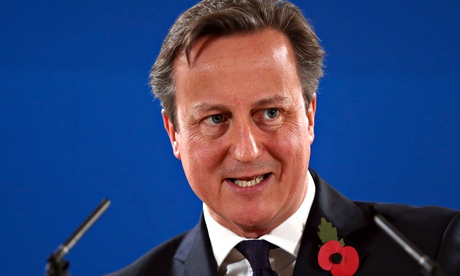
It looks as if Dave has just seen Haze and Manuel!
http://www.theguardian.com/commentisfree/2014/oct/26/crude-assault-on-europe-strikes-at-enlightenment-values
Don't show it to Napoleon.
It will tire him to much.
Here is an interesting article for you!
It looks as if Dave has just seen Haze and Manuel!
http://www.theguardian.com/commentisfree/2014/oct/26/crude-assault-on-europe-strikes-at-enlightenment-values
Fred1new
- 26 Oct 2014 16:51
- 48540 of 81564
But another is the editorial;
It pointers where the UK could being paying some of its bills from:
http://www.theguardian.com/commentisfree/2014/oct/26/observer-view-on-corporation-tax
It pointers where the UK could being paying some of its bills from:
http://www.theguardian.com/commentisfree/2014/oct/26/observer-view-on-corporation-tax
Chris Carson
- 26 Oct 2014 17:03
- 48541 of 81564
the Johann Lamont's resignation threatens to tear party apart.
Share
Share
Tweet
+1
Fraser Bremner
Johann Lamont was undermined by London, says Jack mcConnell
LABOUR have been plunged into civil war as their Westminster and Holyrood politicians clash in the wake of Johann Lamont’s resignation.
She quit as Scottish leader on Friday night, accusing Ed Miliband and the London party of wielding too much control in Scotland.
Lamont accused London of treating the Scottish party as a “branch office” and branded some of the party’s MPs “dinosaurs”.
Yesterday, two former Labour first ministers described London’s grip as an “outrageous situation”
costing the party“votes, credibility, relevance and authority”.
But MPs retorted that Lamont had been posted missing since the independence referendum, when Glasgow and the Labour heartlands of North Lanarkshire and Dundee voted Yes.
Was Johann Lamont right to resign?
YES
NO
Just weeks ago, Lamont insisted she wanted to lead Labour into the 2016 Holyrood election. But on Friday night, she said moves to oust Scottish party general secretary Ian Price without consulting her had made her position untenable.
Sources said Price was summoned to London and removed because he was too close to the Scottish leadership.
Yesterday, former first minister Jack McConnell said: “Everyone believed the problem for me, and for the other leaders since, of authority over the party in Scotland had been resolved three years ago.
“It is clear from what Johann has said that the issue is not resolved and that in practice she did not have that authority. That is an outrageous situation in 2014.
“For Ed Miliband and the team around him to undermine her authority in this way is just unacceptable.
“We need to resolve the issue of authority before we elect a new leader.
“The party demands it, our voters demand it and I believe Scottish politics demands a Scottish Labour Party that is fit for purpose. It is a fundamental mistake to have a leader without sufficient authority to do the job.”
Lamont’s battles with London have included her proposal to devolve all of income tax to Scotland. That idea was watered down to varying the rate by up to 15p.
And another former Labour first minister, Henry McLeish, writing in today’s Sunday Mail, said: “Remarkably, Westminster has devolved government power to Scotland but UK Labour has been unable to devolve any real political power.
“This lack of autonomy is costing the party votes, credibility, relevance and authority.
“The role of any leader in Scotland has turned into a nightmare as the grip of London grows stronger, not weaker.”
The Unite union, one of Labour’s most powerful backers, called for Westminster’s control of Labour in Scotland to end.
Pat Rafferty, Scottish secretary of Unite, said: “There can be no more business as usual because politics across these islands are in flux. Labour nationally must understand this, allowing the party in Scotland to divine its destiny, not have one foisted upon it from SW1.”
Last week, a left-wing pressure group within Scottish Labour met for the first time to discuss pushing for devo max and for the party to rename itself and distance itself from the London leadership.
Event co-organiser Andrew McFadyen, writing in the Sunday Mail today, said: “The defining issue of the leadership contest will now be the freedom of Scottish Labour to set its own policies and priorities, without Westminster interference.”
Glasgow Pollok MSP Lamont, 57, had been leader for three years. She replaced Iain Gray after the SNP Holyrood landslide of 2011.
In her resignation letter yesterday, she said the referendum had opened a “new chapter” for Labour.
But a huge rise in SNP membership, from 25,000 to more than 82,000, has led some Labour MPs to fear they will lose their seats at next year’s General Election.
And Lamont said: “Some, including senior members of the party, have questioned my place in this new phase.
“In order that we can have the real discussion about how we take Scottish Labour forward, I believe it would be best if I took myself out of the equation.”
Labour sources say Shadow Scots Secretary Margaret Curran was among the MPs briefing against Lamont, despite the pair being friends since they were students together 40 years ago.
Margaret Curran
Margaret Curran
One senior insider said: “Margaret spoke to MPs and phoned round Scottish executive members to try to get some sort of front up against Johann.
“She is panicking about her own seat and the only thing she can change is Johann’s leadership.
“It’s pretty bad form. People in the party, particularly MSPs, are furious with her.
“Johann and Margaret were very close but Margaret has always seen herself as the senior partner. She was always slightly unsettled by Johann as leader.
“She has put her own career ahead of the Scottish party and her friendship with Johann. It’s no wonder some people are calling her Lady Macbeth.”
Curran refused to comment and Labour MPs denied she had briefed against Lamont.
Edinburgh South MP Ian Murray said: “Margaret has been fully supportive of Johann and has never organised against her. I am slightly disappointed in Johann or her team of advisers deciding to go down that route.”
Another Labour source added: “Margaret has been nothing but loyal to Johann. The suggestion that she was organising against her is nothing but a lie.”
And one Labour MP said: “Since the referendum, Johann has given the impression of not being
interested in being leader any longer. You either lead or get out the way and let someone else lead. We have had a month of absolutely nothing from Johann.”
Scottish Labour’s executive will meet today to discuss the process for electing a new leader.
Deputy leader Anas Sarwar is 2-1 favourite with Ladbrokes. Holyrood rising star Kezia Dugdale is 4-1 and former prime minister Gordon Brown is 5-1.
Alex Salmond: Miliband must take the blame
PA First Minister Alex Salmond and Labour leader Ed Miliband
First Minister Alex Salmond and Labour leader Ed Miliband
Alex Salmond blamed Ed Miliband yesterday for Johann Lamont’s decision to quit.
The outgoing First Minister insisted that the UK Labour leader had to take responsibility for the “meltdown” in his party in Scotland.
Salmond, who faced Lamont at First Minister’s Questions every week for three years, said: “It is clear that the fundamental nature of Labour’s leadership crisis in Scotland is caused by Ed Miliband and his coterie at Westminster.
“Labour’s meltdown in Scotland has been created by Labour in London.
“We have the extraordinary situation that an outgoing leader has admitted that Scottish Labour is just a ‘branch office’ controlled by London – in other words, the Scottish Labour Party is a fiction.
“The person responsible for that, and for making Johann Lamont’s position ‘untenable’, as she herself put it, is Ed Miliband.
“He should be answering questions about why Labour in Scotland is run as an extension of his Westminster office, and why he has effectively forced the resignation of a Labour leader in Scotland.”
Salmond’s deputy Nicola Sturgeon, who will become SNP leader and First Minister next month, said: “Johann Lamont carries my personal best wishes, including in continuing to represent the people of Glasgow Pollok.
“But there is no question her shock resignation reveals Labour to be in complete meltdown in Scotland.
“The scale of the infighting between Scottish Labour and Labour at Westminster is exposed for all to see.
“The London-based leadership pulling the party’s strings in Scotland, and Labour campaigning side-by-side with the Tories in the referendum, has proved a deeply corrosive combination which is causing Labour support to plummet in Scotland.”
Try Today's News Quiz
Score - 0 of 0
Question - 1 of 5
Researchers from which university have made a breakthrough discovery in cancer treatment?
Stirling
Strathclyde
Dundee
Promoted stories
Don’t get caught by Capital Gains Tax
Don’t get caught by Capital Gains Tax
(Barclays Stockbrokers)
India irks world trade negotiators
India irks world trade negotiators
(Nikkei Asian Review)
Ferguson accuses Moyes of causing Man United star to leave Old Trafford
Ferguson accuses Moyes of causing Man United star…
(Give Me Sport)
The pension Big Bang
The pension Big Bang
(MoneyWeek)
Don’t get caught by Capital Gains Tax
India irks world trade negotiators
Ferguson accuses Moyes of causing Man United star to leave Old Trafford
The pension Big Bang
From Royal Mail to Twitter: what investors should know about IPOs
From Royal Mail to Twitter: what investors should know…
(Barclays Stockbrokers)
7 terrible tracks on classic rock albums
7 terrible tracks on classic rock albums
(WOW247)
The pension Big Bang
The pension Big Bang
(MoneyWeek)
Roy Keane left stunned by amazingly generous Eric Cantona gesture
Roy Keane left stunned by amazingly generous Eric Cantona…
(Give Me Sport)
From Royal Mail to Twitter: what investors should know about IPOs
7 terrible tracks on classic rock albums
The pension Big Bang
Roy Keane left stunned by amazingly generous Eric Cantona gesture
Recommended by
Follow
TheScottishDailyRecord
@Daily_Record
@MarkAitken1
Recently Published
Henry McLeish: Scottish Labour need radical change now.. future of the party is at stake
Former First Minister Henry McLeish
FORMER Labour first minister HENRY says Scottish Labour needs radical change if it is to stop its downward slide in Scotland.
Mail Opinion: Ed Miliband must give the next leader of Scottish Labour real power.. and treat them with the respect they deserve
Johann Lamont quits: Lord Foulkes backs Gordon Brown to take over as Scottish Labour leader
Previous Articles
World War I: Schoolgirl told how visit to unknown soldier's grave changed her outlook on life as she addressed dignitaries at remembrance service
Kirsten Fell during the service at Glasgow Cathedral
KIRSTEN Fell, 16, paid a moving tribute to the fallen of World War I as she spoke in front of world leaders at a service in Glasgow Cathedral to mark 100h anniversary of the start of conflict.
Alex Salmond declares “It is our pound and we’re keeping it" as he tries to recover from his currency pounding
Watch STV player now
STV player
Catch up on your favourite STV programmes right now
Related Tags
Organisations Scottish Labour Labour Party
People Johann Lamont Ed Miliband
Ads by Google
BT Phone Line - Official
Save up to £32 per year with BT Line Rental Saver. Find Out More!
www.bt.com/landline
KLM Royal Dutch Airlines
Explore New Horizons with KLM. Check Your Best Deal Now!
www.klm.com/UK
PC Cleaner- Free Download
Clean PC, Boost Speed, Fix Errors. Free Download (Highly Recommended!)
free-pc-cleaner.sparktrust.com
Login with Facebook
Recommended on the Record
Glasgow
Two footballers arrested over alleged attack on Celtic goalkeeper Lukasz Zaluska in Glasgow street
Rangers FC
Rangers power battle: Mike Ashley could take full control of Ibrox club after board accept £2m bailout
Phil Taylor
Jose Mourinho, Ally McCoist and me: Phil Taylor reveals his admiration for the Rangers gaffer and the secret to his success
Football Match Reports
Celtic 2 Kilmarnock 0: John Guidetti and Stefan Scepovic secure win for the Hoops in efficient performance
Edinburgh
Suspected Edinburgh motorbike thief puts capital's city centre on lock down as police check rooftops during manhunt
Scottish Championship
Scottish Championship RECAP: Hibernian v Heart of Midlothian
Fran Healy
Travis frontman Fran Healy stuns groom super-fan on his big day to sing couple's favourite song
BuySell
BuySell is packed full with your local tradesmen. Click here
Recommended in News
Scottish Labour
Johann Lamont quits: Lord Foulkes backs Gordon Brown to take over as Scottish Labour leader
Johann Lamont
Scottish Labour leader Johann Lamont resigns
Scottish Labour
Johann Lamont quits as Scottish Labour leader: Party faces problem of 'historic proportions', says Henry McLeish
Scottish National Party
Glasgow City Council SNP deputy leader suspended from party following alleged anti-gay outburst
Scottish Labour
Johann Lamont resigns as Scottish Labour leader: Candidates in line to replace her
Johann Lamont
Johann Lamont quits as Scottish Labour leader: Some of my colleagues are dinosaurs, they don't see that things have changed
Politics
David Clegg: Johann Lamont forced to resign by the eternal curse of Labour - backstabbing and betrayal
Search over15,000 cars at
Arnold Clark
Show Me
All CarsUsed CarsNew CarsNearly New CarsValue RangeVansMotability
Make
All MakesAbarthAlfa RomeoAudiBMWChevroletChryslerCitroenDaciaDaihatsuDodgeFiatFordHondaHyundaiIsuzuJaguarJeepKiaLand RoverLexusLotusMazdaMercedes-BenzMGMg Motor UkMINIMitsubishiNissanPeugeotPorscheProtonRenaultSaabSeatSkodaSmartSubaruSuzukiToyotaVauxhallVolkswagenVolvo
Model All Models
Min. Price
No Min.£1000£2000£3000£4000£5000£6000£7000£8000£9000£10000£11000£12000£13000£14000£15000£20000£25000£30000£35000£40000£50000£100000£150000
Max. Price
No Max.£1000£2000£3000£4000£5000£6000£7000£8000£9000£10000£11000£12000£13000£14000£15000£20000£25000£30000£35000£40000£50000£100000£150000
Keyword
Search Cars
SELL YOUR CAR TODAY
Enter Details Below &
Get Your Sale Price Now!
Go
Watch STV player now
STV player
Catch up on your favourite STV programmes right now
Most Read in News
Edinburgh
1 Suspected Edinburgh motorbike thief puts capital's city centre on lock down as police check rooftops during manhunt
Renfrew
2 Firefighters tackle major blaze at Rolls Royce factory in Renfrewshire
Scottish News
3 Watch the amazing shot by Scottish golfer that has become internet hit
Scottish Labour
4 Johann Lamont quits: Lord Foulkes backs Gordon Brown to take over as Scottish Labour leader
Labour Party
5 Johann Lamont quits: Scottish Labour leader's decision to step down threatens to plunge party into civil war
Most Read
Justice generic
Glasgow
1 Two footballers arrested over alleged attack on Celtic goalkeeper Lukasz Zaluska in Glasgow street
Rangers FC
2 Rangers power battle: Mike Ashley could take full control of Ibrox club after board accept £2m bailout
Phil Taylor
3 Jose Mourinho, Ally McCoist and me: Phil Taylor reveals his admiration for the Rangers gaffer and the secret to his success
Scottish Championship
4 Scottish Championship RECAP: Hibernian v Heart of Midlothian
Fran Healy
5 Travis frontman Fran Healy stuns groom super-fan on his big day to sing couple's favourite song
View:
Desktop
Mobile
About Us
Contact Us
Got A Story?
Local News
Advertising
Competition Rules
Cookie Policy
How to Complain
Corrections & Clarifications
Google Survey
Privacy Policy
Contact the Judge
Sunday Mail Centenary Fund
Terms and Conditions
News
Scottish News
UK & World
Politics
Crime
Health
Real Life
Business & Consumer
Weird News
Science & Technology
Sport
Football
Boxing
Golf
Horse Racing
Rugby
Motor sports
Tennis
Other sports
Entertainment
What's On
Celebrity News
TV & Radio News
Celebrity Interviews
Video Games
Opinion
News
Sport
Entertainment
Lifestyle
Lifestyle
Horoscopes
Fashion & Beauty
Health & Fitness
Food & Drink
Family & Relationships
Travel
Money
Motoring
Competitions
BuySell
Property
Haystack
- 26 Oct 2014 17:09
- 48542 of 81564
Labour losing seats to SNP may not be of benefit to the Conservatives. There is talk of SNP taking maybe 21 of their seats. However if Lab gets the most seats they could form a coalition with parties including the SNP. I am sure the SNP would be a coalition partner if they were offered even more powers for Scotland.
doodlebug4 - 26 Oct 2014 17:21 - 48543 of 81564
The SNP will do whatever they think is best for Scotland, so you are right Haystack.
Chris Carson
- 26 Oct 2014 17:24
- 48544 of 81564
By Andrew Gilligan
7:05AM GMT 26 Oct 2014
CommentsComments
The unlikeliest member of France’s super-rich trundled his wheelbarrow full of potatoes from his smallholding to his attractive, but modest, wood‑and-brick house. Down the road, one of René Allier’s equally fat‑cat neighbours set off in his ancient boat to catch some fish. If he managed to sell them on his market stall, he might make enough to pay his wealth tax.
Mr Allier and his wife, Jacqueline, are not the kind of plutocrats against whom students go on demos. Their van is old and small. Their income is a pension of €600 (£450) a month. Their hands are coarsened by decades of manual work. “We’ve never had a holiday, ever,” he said.
But to their horror, the Alliers, along with 500 other peasant farmers, fishermen and smallholders on the Île de Ré, off France’s Atlantic coast, have in recent years found themselves classed as “wealthy” – and liable for vast bills under the country’s version of the mansion tax. Their fate is a sobering reminder of the perils that may lie ahead if Labour leader Ed Miliband ever tried something similar in Britain.
The problem on the Île de Ré, favourite holiday island for France’s monied class, is a new bridge to the mainland. Opened in 1988, it dramatically improved access for the designer-jeans crowd and exponentially boosted the value of local land.
Plots like the Alliers’, worth perhaps £10 a square metre when they started farming it, are now valued at 40 times as much – making the couple, on paper, euro millionaires. They must, therefore, pay France’s wealth tax, the ISF, charged at up to 1.5 per cent a year on those with assets totalling over €1.3 million (£1.1 million). That includes your main home, land, jewellery, money and even furniture.
Related Articles
The Pride of Britain Awards 2014 - London...James Cracknell and wife Beverley Turner arriving for The Pride of Britain Awards 2014, at Grosvenor House, Park Lane, London. PRESS ASSOCIATION Photo. Picture date: Monday October 6, 2014. See PA story PRESS Awards. Photo credit should read: Ian West/PA Wire
People diary: Has James Cracknell finally found a seat in Sussex?
26 Oct 2014
France is a nation in decline - and Britain could be next
19 Oct 2014
'We are giving the Afghans a chance at a better life'
26 Oct 2014
How did France get it so wrong?
12 Oct 2014
Mark Radcliffe recalls childhood summer
Sponsored by Esso
The Alliers, pensioners on fixed incomes, don’t have any jewellery, or any money. “Our wheelbarrows, they don’t serve to carry wads of cash,” says Mr Allier. These days, they don’t have much land, either. Over the past decade, they’ve sold nearly all of it to pay the wealth taxes that regularly exceeded their entire income. They only have one field left, though if prices keep rising, they may have to get rid of that, too, to hold on to their house.
Valérie Constancin, president of the Association for the Defence of the Inhabitants of the Île de Ré, says that many of the hardest cases on the island arose when people suddenly came to the authorities’ attention – perhaps because a family member had died, or they needed permission for some change to their land. Then they were hit with gigantic bills for years of back taxes, often with penalties for non‑disclosure of “wealth” that they never realised they had.
“They don’t know they have to pay so they don’t do the things they need to minimise it,” she said. “One elderly childminder was suddenly presented with a bill for €55,000 (£45,000) when her husband died. Those were her life savings. She had to pay and she is wondering how she will pay next year now. Our children will have to sell up and leave. We’ll end up as a bird sanctuary.”
In French, ISF means “solidarity tax on fortunes”. But there is very little solidarity, and the number of actual fortunes caught by it is small. As you would expect, anyone with real money finds ways round the tax. Its burden falls instead on those of middling income who cannot afford to pay clever advisers.
The wealth tax, first introduced by the Mitterrand government in 1981 and in its present form in 1988, tends to yo-yo, with Right-wing governments reducing it and Left-wing governments putting it up. In 2012, President François Hollande’s socialists sharply increased the rates and bands, dragging in more people. In 2001, only 281,000 paid it. Eleven years later, that had more than doubled, to 600,000.
In 2012, Gilles Carrez, chairman of the National Assembly finance committee, estimated that “several hundred, perhaps as many as a thousand” of those people – peasants on the Île de Ré and a few other fashionable holiday spots, pensioners with expensive flats in central Paris – would be forced to pay more than 100 per cent of their income in taxes. A few would have to pay up to 400 per cent, he said. (A “plafonnement”, or cap, has since been introduced, theoretically limiting total taxes to three quarters of income.)
But even for the more typical ISF payer – a middle manager, say, with a five-bedroom house in one of the capital’s better suburbs – the tax is a curse.
“I have already paid taxes on the income I used to buy my place, and again on the savings I built up towards it,” says Pierre Perrin, from Bougival, a bourgeois part of Paris. “Each year we have to declare everything we have to the state, including my wife’s jewellery, our cars and the contents of our wine cellar. It is a major invasion of privacy, as much as anything.”
French newspapers and tabloid websites lap up the annual league tables, published by the tax authorities, of how many people in each individual neighbourhood are liable for ISF and what their assets are.
The wheezes used to avoid paying the tax are, of course, manifold. If you’ve ever wondered why French people have so many antiques and works of art in their homes, the reason is not just Gallic good taste. Assets over 100 years old, or created by hand, do not count towards the ISF. Other taxpayers make temporary “gifts” of their assets to relatives, without actually having to give them away for ever – though this procedure involves entering another potential fiscal whirlpool, France’s “gift tax”.
Then there are the more advanced forms of avoidance – like those practised by, well, one François Hollande. He may have declared his support for wealth taxes because, in his words, he “hates the rich”. But the then future president and his then partner, Ségolène Royal, also a leading French politician, were monstered by the press in 2007 after it emerged that they had dramatically undervalued their own personal property empire in order to minimise their ISF.
The couple valued what they described as a “modest villa” at Mougins, on the Riviera near Cannes – complete with swimming pool, garden and nice view of the Med – at just €270,000 (then £192,000), a figure greeted with a mixture of disbelief and laughter by locals. A panel of estate agents convened by the investigative newspaper, Le Canard enchaîné, said it was worth three times as much.
Their flat in the expensive Paris suburb of Boulogne-Billancourt was declared to the tax authorities at £535,000, when it was actually worth £850,000. Then there was a third property they used in northern France. Mr Hollande and Ms Royal escaped ISF on this altogether by transferring it to a special property company – owned by themselves and Mr Hollande’s parents. In total, it was estimated, French politics’ premier power couple should have paid £4,300 in ISF that year. They actually paid £616.
Ms Royal’s defence, incidentally, was that the Mougins villa was a “family house, bought more than 20 years ago”. That is, of course, the precise frustration expressed by thousands of other middle-class people across France – but then, they do not support the wealth tax.
After Mr Hollande acceded to the presidency, one of his ministers was found to have taken an even more direct approach to avoiding his dues. In April last year, after flatly denying it for months, Jérôme Cahuzac admitted that he had, for two decades, used a secret bank account at UBS in Geneva to avoid paying French tax. His role in Mr Hollande’s government? He was the minister responsible for tackling tax avoidance.
Often called the “Incitement de Sortir de la France”, or incentive to leave the country, the ISF may well have played its part in France’s current economic stagnation. Tens of thousands of French entrepreneurs, driven out to London, the Far East or the US by the policy, are creating wealth for other countries, not their own.
The deterrent to foreign investors is also substantial; some campaigners estimate that it has cost France 0.3 per cent of annual growth. When your total growth this year is forecast to be only 0.4 per cent (Britain’s is predicted to be 3.2 per cent), that may not be something the French economy can afford.
Yet just as important, the ISF is morally as well as economically counterproductive. It makes victims of the poor, and hypocrites of the rich. Mr Miliband should take note.
Haystack
- 26 Oct 2014 17:35
- 48545 of 81564
France has always had a destructive tax system. On your income tax form there is a section called Visible Signs of Wealth. You have to list any goods such as jewellery, cars, boats, extra homes etc over a certain value. This came in a long time ago and was responsiblefor the death of the French luxury car business almost overnight. Names like Delage, Delahaye, Hotchkiss, Talbot, Farman, Panhard, Salmson, Bugatti, Hispanic Suiza, Voisin and many other have gone.
Renault, Peugeot and Citroen also made luxury cars but stopped.France was second in the world after the US for numbers built. For luxury brand cars they were number one.
Renault, Peugeot and Citroen also made luxury cars but stopped.France was second in the world after the US for numbers built. For luxury brand cars they were number one.
doodlebug4 - 26 Oct 2014 17:43 - 48546 of 81564
I often wondered why the French drive round in bashed up old cars! Visible signs of wealth, does that include Rolex watches or an expensive kit of golf clubs?:-)
Haystack
- 26 Oct 2014 17:59
- 48547 of 81564
Here are a few French car makers that you may not have heard of:-
A
Able (1920–1927)
Ader (1900–1907)
AER (1930)
AEM(1920–1924)
Aérocaréne (1947)
Ageron (1910–1914)
Ailloud (1898–1904)
Ajams (1920)
Ajax (1913–1919)
AL (1907–1909)
Alamagny (1947–1948)
Alba (1913–1928)
Albatros (1912)
Alcyon (1906–1929)
Alda (1912–1922)
Allard-Latour (1899–1902)
Alliance (1905–1908)
Alphi (1929–1931)
Alma (1926–1927)
Alva (1913–1923)
AM (1906–1915)
Amédée Bollée (1885–1921)
Amilcar (1921–1939)
Ampère (1906–1909)
Anderson Electric (1912)
Andre Py (1899)
Antoinette (1906–1907)
Arbel (1951–1959) also known as Loubiére, Loubiéres, Symetric, Symetric-Arbel, or Symetric-Paris
Ardent (1900–1901)
Ardex (1934-c.1937; 1952–1955)
Ariane (1907)
Ariès (1903–1938)
Arista (1912–1915)
Arista (1952–1967)
Arola (1976–1983)
Arzac (1926–1927)
AS (1924–1928)
ASS (1919–1920)
Astatic (1920–1922)
Aster (1900–1910)
Astra (1922)
Astresse (1898)
Ateliers d’Automobiles et d’Aviation (AAA) (1919-1920)
Atla (1957–1959)
Atlas (1951)
Audibert & Lavirotte (1894–1901)
Auge (1898-c.1901)
Austral (1907)
Autobleu (1953–1957)
Automoto (1901–1907)
Avions Voisin (1905-1946)
Avolette (1955–1959)
B
Ballot (1921–1932)
Barré (1899–1930)
Beck (1920–1922)
Bédélia (1910–1925)
Bellanger (1912–1925)
Bel Motors (1976-1980)
Benjamin (1921–1931)
Berliet (1895–1939)
Bernardet (1946–1950)
Bignan (1918–1930)
Blériot (1921–1922)
BNC (1923–1931)
Boitel (1946–1949)
Bolide (1899–1907)
Bonnet (1961–1964)
Bouquet, Garcin & Schivre/BGS (1899–1906)
Brasier (1905–1926)
Brouhot (1898–1911)
Bucciali (1922–1933)
Buchet (1910–1930)
Bugatti (1909–1963)
Butterosi (1919–1924)
C
Cambier (1897-c.1905)
Castoldi (1900)
Cedre (1975-1987)
CD (1962–1965)
CG (Chappe et Gessalin) (1966–1974)
CGV (Charron, Girardot et Voigt) (1901–1906)
Chaigneau-Brasier (1926–1930)
Chainless (1900–1903)
Charlon (1905–1906)
Charron (1907–1930)
Chenard-Walcker (1900–1946)
CHS (1945–1946)
Clément-Bayard (1903–1922)
Coadou et Fleury (1921-c.1935)
Cochotte (1899)
Cognet de Seynes (1912–1926)
Cohendet (1898–1914)
Colda (1921–1922)
Constantinesco (1926–1928)
Corre (1901–1907)
Cottereau (1898–1910)
Cottin & Desgouttes (1905–1931)
Cournil (1960–1984)
Couteret (1907)
Couverchel (1905–1907)
Créanche (1899–1906)
Crespelle (1906–1923)
Croissant (1920–1922)
Culmen (c.1909)
D
Dalifol (1896)
Dalifol & Thomas (1896–1898)
Damaizin & Pujos (1910)
Dangel (1968–1971)
Danvignes (1937–1939)
Darl'mat (1936–1950)
Darmont (1921–1939)
Darracq (1896–1920)
David & Bourgeois (1898)
DB (1938–1961)
De Bazelaire (1908–1928)
De Cezac (1922–1927)
De Dietrich (1897–1905)
De Dion-Bouton (1883–1932)
De Marcay (1920–1922)
De Riancey (1898-c.1901)
De Sanzy (1924)
Decauville (1898–1910)
Deguingand (1927–1930)
Deho (1946–1948)
Delage (1905–1953)
Delahaye (1895–1954)
Delamare-Deboutteville (1883–1887)
Delaugère (1898–1926)
Delaunay-Belleville (1904–1948)
Delfosse (1922–1926)
Demeester (1906–1914)
Denis de Boisse (1901–1904)
Derby (1921–1936)
Desmoulins (1920–1923)
Dewald (1902–1926)
Dinin Alfred 1904
DFP (1906–1926)
Diederichs (1912–1914)
Dolo (1947–1948)
Donnet (1928–1936)
Donnet-Zedel (1924–1928)
Dumas (1902–1903)
Dumont (1912–1913)
Duport (1977–1994)
D’Yrsan (1923–1930)
E
EHP (1921–1929)
Electricar (1919–1924)
Elfe (1920–1925)
Elgé (1868–1942)
Elysée (1921–1925)
Enders (1911–1923)
Esculape (1899)
Eudelin (c.1905-1908)
Eureka (1906–1909)
F
Facel Vega (1954–1964)
FAL (1907)
Farman (1919–1931)
Favier (c.1925-1930)
FL (1909–1914)
Fonlupt (1920–1922)
Fouillaron (1900–1914)
Fournier (1913–1924)
G
Galy (1954–1957)
Galba (1929-1930)
Gardner-Serpollet (1900–1907)
Gautier–Wehrlé (1894–1900)
Georges Irat (1921–1953)
Georges Richard (1897–1902)
Georges Roy (1906–1929)
Gillet-Forest (1900–1907)
Gladiator (1896–1920)
Gobron-Brillié (1898–1930)
Gordini (1951–1957)
Goujon (1896–1901)
GRAC (1964–1974)
Gregoire (1904–1924)
Grillet (Company name. Cars sold under the name "Ryjan") (1920-1926)
Grivel (1897)
Guerraz (1901)
Guerry et Bourguignon (1907)
Guyot Spéciale (1925–1931)
H
Hautier (1899–1905)
Hédéa (1912–24)
Heinis (1925–1930)
Helbé (1905–1907)
Henou (1923)
Henry Bauchet (1903)
Henry-Dubray (1901)
Hérald (1901–1906)
Hinstin (1921–1926)
Hispano-Suiza (1911–1938)
Hommell (1994–2003)
Hotchkiss (1903–1955)
Hrubon (1980–1988)
Hurtu (1896–1930)
I
Inaltera (1976-1978)
Induco (1921–1924)
Inter (1953–1956)
J
J-P Wimille (1948–1949)
Jack Sport (1925–1930)
Janémian (1920–1923)
Janoir (1921–1922)
Janvier (1903–1904)
Jean-Bart (1907)
Jean Gras (1924–1927)
Jeantaud (1893–1906)
JG Sport (1922–1923)
Jidé (1969–1974; 1977–1981)
Jouffret (1920–1926)
Jousset (1924–1928)
Jouvie (1913–1914)
Juzan (1897)
K
Kevah (1920–1924)
Koch (1898–1901)
Korn et Latil (1901–1902)
Kriéger (1897–1908)
KVS (1976-c.1984)
L
La Buire (1904–1930)
La Confortable (c.1920)
Lacoste & Battmann (1897–1910)
Lafitte (1923–1924)
Lahaussois (1907)
Landulet (2014)
La Licorne (1907–1950)
L'Alkolumine (1899)
La Lorraine (1899–1902)
Lambert (1926–1953)
La Nef (c.1901-1914)
La Perle (1913–1927)
La Ponette (1909–1925)
La Radieuse (1907)
L'Ardennais (1901-c.1903)
La Roulette (1912–1914)
La Va Bon Train (1904–1914)
Lavie (c.1904)
Le Blon (1898)
Le Cabri (1924–1925)
Le Favori (1921–1924)
Léon Bollée (1896–1931)
Le Piaf (1951–1952)
Le Pratic (1908)
Le Roitelet (1921–1924)
Leyat (1919–1927)
Le Zèbre (1909–1931)
Linon (1900–1914)
Lion-Peugeot (1905–1915)
Lombard (1927–1929)
Lorraine-Dietrich (1905–1934)
Louis Chenard (1920–1932)
Luc Court (1899–1936)
Lufbery (1898-c.1902)
Lurquin-Coudert (1907–1914)
Lutier (1907)
Luxior (1912–1914)
M
Madoz (1921)
Maillard (1900-c.1903)
Maison Parisienne (1897-c.1898)
Majola (1911–1928)
Major (1920–1923; 1932)
Malicet et Blin/M&B (1897-c.1903)
Malliary (1901)
Marathon (1953–1955)
Marbais and Lasnier (1906-1906)
Marcadier (1963–1983)
Marden (1975–1992)
Margaria (1910–1912)
Marguerite (1922–1928)
Marie de Bagneux (1907)
Marot-Gardon (1899–1904)
Marsonetto (1957–1959; 1965–1972)
Matford (1934–1940)
Mathis (1919–1935; 1945–1950)
Matra (1965–1984)
Messier (1924–1931)
Michel Irat (1929–1930)
Mildé (1898–1909)
Millot (1901–1902)
MLB (1894–1902)
Mochet (1924–1958)
Mom (1906–1907)
Monet (1920–1939)
Monica (1971–1975)
Monnard (1899)
Monocar (1936–1939)
Monotrace (1924–1930)
Montier (1920–1934)
Montier & Gillet (1895–1898)
Morisse (1899–1914)
Mors (1895–1925; 1941–1943)
Motobloc (1901–1930)
Mototri Contal (1907–1908)
N
Nanceene (1900-c.1903)
Napoleon (1903)
Naptholette (1899)
Nardini (1914)
O
Obus (1907–1908)
Octo (1921-1928)
Oméga-Six (1922–1930)
Otto (1900–1914)
Ours (1906–1909)
P
Panhard/Panhard & Levassor (1890–1967)
Patin (1899–1900)
Pilain (1896–1920)
Plasson (1910)
Poinard
Ponts-Moteurs (1912–1913)
Populaire (1899)
Poron (1898)
Porthos (1906–1914)
Prod'homme (1907–1908)
Prosper-Lambert (1901–1906)
Q
Quo Vadis (1921–1923)
R
Radior (1920–1922)
Rally (1921–1933)
Raouval (1899–1902)
Ratier (1926–1930)
Ravailler (1907)
Ravel (1900–1902)
Ravel (1923–1929)
Rebour (1905–1908)
Reyonnah (1950–1954)
Reyrol (1900–1930)
Renault
Richard-Brasier (1902–1905)
Robert Serf (1925–1935)
Rochet-Schneider (1894–1932)
Roger (1888–1896)
Rolland-Pilain (1907–1931)
Rolux (1938–1952)
Rosengart (1928–1955)
Roussel (1908–1914)
Roussey (1949–1951)
Rouxel (1899–1900)
Rovin (1946–1951)
Ruby (1910-c.1922)
Ryjan (1920-1926)
S
Salmson (1921–1957)
Sandford (1923–1939)
Santax (1920–1927)
SARA (1923–1930)
Sautter-Harlé (1907–1912)
SCAP (1912–1929)
SCAR (1906–1915)
Scora (1974–present)
Secqueville-Hoyau (1919-1924)
Sénéchal (1921–1927)
Sensaud de Lavaud (1926–1928)
SERA (1959–1961)
Sidéa (1912–1924)
Sigma (1913–1928)
Silva-Coroner (1927)
SIMA-Violet (1924–1929)
Simca (1935–1980)
Simplicia (1910)
Sinpar (1907–1914)
Siscart (1908–1909)
Sixcyl (1907–1908)
Sizaire-Berwick (1913–1927)
Sizaire Frères (1923–1929)
Sizaire-Naudin (1905–1921)
Soncin (1900–1902)
Solanet (1921)
Soriano-Pedroso (1919–1924)
SOVAM (1965–1969)
SPAG (1927–1928)
Stabilia (1907–1930)
Stimula (1907–1914)
Stimula (1978–1982)
Suère (1909-1931)
Suncar (1980-c.1986)
T
Talbot (1919–1932; 1979–1986)
Talbot-Lago (1932–1959)
Th. Schneider (1910–1931)
Thomson (1913–1928)
Tourey (1898)
Tracford (1933–1935)
Tracta (1926–1934)
Triouleyre (1896–1898)
Tuar (1913-1925)
Turcat-Méry (1899–1928)
Turgan-Foy (1899–1906)
U
Unic (1904–1939)
Underberg, of Nantes (?-?)s:Popular Science Monthly/Volume 57/October 1900/Gasoline Automobiles
Urric (1905–1906)
Utilis (1921–1924)
V
Vaillant (1922–1924)
Vallée (1895–1902)
VELAM
Vermorel (1908-1930 as an automobile producer)
Vernandi (1928-1929)
Villard (1925-1935)
Vinot-Deguingand (1901-1927)
Voisin
volvo
Z
Zédel (1905-1920)
Zeiller & Fournier (1920-1924)
Zénia (1913-1924)
A
Able (1920–1927)
Ader (1900–1907)
AER (1930)
AEM(1920–1924)
Aérocaréne (1947)
Ageron (1910–1914)
Ailloud (1898–1904)
Ajams (1920)
Ajax (1913–1919)
AL (1907–1909)
Alamagny (1947–1948)
Alba (1913–1928)
Albatros (1912)
Alcyon (1906–1929)
Alda (1912–1922)
Allard-Latour (1899–1902)
Alliance (1905–1908)
Alphi (1929–1931)
Alma (1926–1927)
Alva (1913–1923)
AM (1906–1915)
Amédée Bollée (1885–1921)
Amilcar (1921–1939)
Ampère (1906–1909)
Anderson Electric (1912)
Andre Py (1899)
Antoinette (1906–1907)
Arbel (1951–1959) also known as Loubiére, Loubiéres, Symetric, Symetric-Arbel, or Symetric-Paris
Ardent (1900–1901)
Ardex (1934-c.1937; 1952–1955)
Ariane (1907)
Ariès (1903–1938)
Arista (1912–1915)
Arista (1952–1967)
Arola (1976–1983)
Arzac (1926–1927)
AS (1924–1928)
ASS (1919–1920)
Astatic (1920–1922)
Aster (1900–1910)
Astra (1922)
Astresse (1898)
Ateliers d’Automobiles et d’Aviation (AAA) (1919-1920)
Atla (1957–1959)
Atlas (1951)
Audibert & Lavirotte (1894–1901)
Auge (1898-c.1901)
Austral (1907)
Autobleu (1953–1957)
Automoto (1901–1907)
Avions Voisin (1905-1946)
Avolette (1955–1959)
B
Ballot (1921–1932)
Barré (1899–1930)
Beck (1920–1922)
Bédélia (1910–1925)
Bellanger (1912–1925)
Bel Motors (1976-1980)
Benjamin (1921–1931)
Berliet (1895–1939)
Bernardet (1946–1950)
Bignan (1918–1930)
Blériot (1921–1922)
BNC (1923–1931)
Boitel (1946–1949)
Bolide (1899–1907)
Bonnet (1961–1964)
Bouquet, Garcin & Schivre/BGS (1899–1906)
Brasier (1905–1926)
Brouhot (1898–1911)
Bucciali (1922–1933)
Buchet (1910–1930)
Bugatti (1909–1963)
Butterosi (1919–1924)
C
Cambier (1897-c.1905)
Castoldi (1900)
Cedre (1975-1987)
CD (1962–1965)
CG (Chappe et Gessalin) (1966–1974)
CGV (Charron, Girardot et Voigt) (1901–1906)
Chaigneau-Brasier (1926–1930)
Chainless (1900–1903)
Charlon (1905–1906)
Charron (1907–1930)
Chenard-Walcker (1900–1946)
CHS (1945–1946)
Clément-Bayard (1903–1922)
Coadou et Fleury (1921-c.1935)
Cochotte (1899)
Cognet de Seynes (1912–1926)
Cohendet (1898–1914)
Colda (1921–1922)
Constantinesco (1926–1928)
Corre (1901–1907)
Cottereau (1898–1910)
Cottin & Desgouttes (1905–1931)
Cournil (1960–1984)
Couteret (1907)
Couverchel (1905–1907)
Créanche (1899–1906)
Crespelle (1906–1923)
Croissant (1920–1922)
Culmen (c.1909)
D
Dalifol (1896)
Dalifol & Thomas (1896–1898)
Damaizin & Pujos (1910)
Dangel (1968–1971)
Danvignes (1937–1939)
Darl'mat (1936–1950)
Darmont (1921–1939)
Darracq (1896–1920)
David & Bourgeois (1898)
DB (1938–1961)
De Bazelaire (1908–1928)
De Cezac (1922–1927)
De Dietrich (1897–1905)
De Dion-Bouton (1883–1932)
De Marcay (1920–1922)
De Riancey (1898-c.1901)
De Sanzy (1924)
Decauville (1898–1910)
Deguingand (1927–1930)
Deho (1946–1948)
Delage (1905–1953)
Delahaye (1895–1954)
Delamare-Deboutteville (1883–1887)
Delaugère (1898–1926)
Delaunay-Belleville (1904–1948)
Delfosse (1922–1926)
Demeester (1906–1914)
Denis de Boisse (1901–1904)
Derby (1921–1936)
Desmoulins (1920–1923)
Dewald (1902–1926)
Dinin Alfred 1904
DFP (1906–1926)
Diederichs (1912–1914)
Dolo (1947–1948)
Donnet (1928–1936)
Donnet-Zedel (1924–1928)
Dumas (1902–1903)
Dumont (1912–1913)
Duport (1977–1994)
D’Yrsan (1923–1930)
E
EHP (1921–1929)
Electricar (1919–1924)
Elfe (1920–1925)
Elgé (1868–1942)
Elysée (1921–1925)
Enders (1911–1923)
Esculape (1899)
Eudelin (c.1905-1908)
Eureka (1906–1909)
F
Facel Vega (1954–1964)
FAL (1907)
Farman (1919–1931)
Favier (c.1925-1930)
FL (1909–1914)
Fonlupt (1920–1922)
Fouillaron (1900–1914)
Fournier (1913–1924)
G
Galy (1954–1957)
Galba (1929-1930)
Gardner-Serpollet (1900–1907)
Gautier–Wehrlé (1894–1900)
Georges Irat (1921–1953)
Georges Richard (1897–1902)
Georges Roy (1906–1929)
Gillet-Forest (1900–1907)
Gladiator (1896–1920)
Gobron-Brillié (1898–1930)
Gordini (1951–1957)
Goujon (1896–1901)
GRAC (1964–1974)
Gregoire (1904–1924)
Grillet (Company name. Cars sold under the name "Ryjan") (1920-1926)
Grivel (1897)
Guerraz (1901)
Guerry et Bourguignon (1907)
Guyot Spéciale (1925–1931)
H
Hautier (1899–1905)
Hédéa (1912–24)
Heinis (1925–1930)
Helbé (1905–1907)
Henou (1923)
Henry Bauchet (1903)
Henry-Dubray (1901)
Hérald (1901–1906)
Hinstin (1921–1926)
Hispano-Suiza (1911–1938)
Hommell (1994–2003)
Hotchkiss (1903–1955)
Hrubon (1980–1988)
Hurtu (1896–1930)
I
Inaltera (1976-1978)
Induco (1921–1924)
Inter (1953–1956)
J
J-P Wimille (1948–1949)
Jack Sport (1925–1930)
Janémian (1920–1923)
Janoir (1921–1922)
Janvier (1903–1904)
Jean-Bart (1907)
Jean Gras (1924–1927)
Jeantaud (1893–1906)
JG Sport (1922–1923)
Jidé (1969–1974; 1977–1981)
Jouffret (1920–1926)
Jousset (1924–1928)
Jouvie (1913–1914)
Juzan (1897)
K
Kevah (1920–1924)
Koch (1898–1901)
Korn et Latil (1901–1902)
Kriéger (1897–1908)
KVS (1976-c.1984)
L
La Buire (1904–1930)
La Confortable (c.1920)
Lacoste & Battmann (1897–1910)
Lafitte (1923–1924)
Lahaussois (1907)
Landulet (2014)
La Licorne (1907–1950)
L'Alkolumine (1899)
La Lorraine (1899–1902)
Lambert (1926–1953)
La Nef (c.1901-1914)
La Perle (1913–1927)
La Ponette (1909–1925)
La Radieuse (1907)
L'Ardennais (1901-c.1903)
La Roulette (1912–1914)
La Va Bon Train (1904–1914)
Lavie (c.1904)
Le Blon (1898)
Le Cabri (1924–1925)
Le Favori (1921–1924)
Léon Bollée (1896–1931)
Le Piaf (1951–1952)
Le Pratic (1908)
Le Roitelet (1921–1924)
Leyat (1919–1927)
Le Zèbre (1909–1931)
Linon (1900–1914)
Lion-Peugeot (1905–1915)
Lombard (1927–1929)
Lorraine-Dietrich (1905–1934)
Louis Chenard (1920–1932)
Luc Court (1899–1936)
Lufbery (1898-c.1902)
Lurquin-Coudert (1907–1914)
Lutier (1907)
Luxior (1912–1914)
M
Madoz (1921)
Maillard (1900-c.1903)
Maison Parisienne (1897-c.1898)
Majola (1911–1928)
Major (1920–1923; 1932)
Malicet et Blin/M&B (1897-c.1903)
Malliary (1901)
Marathon (1953–1955)
Marbais and Lasnier (1906-1906)
Marcadier (1963–1983)
Marden (1975–1992)
Margaria (1910–1912)
Marguerite (1922–1928)
Marie de Bagneux (1907)
Marot-Gardon (1899–1904)
Marsonetto (1957–1959; 1965–1972)
Matford (1934–1940)
Mathis (1919–1935; 1945–1950)
Matra (1965–1984)
Messier (1924–1931)
Michel Irat (1929–1930)
Mildé (1898–1909)
Millot (1901–1902)
MLB (1894–1902)
Mochet (1924–1958)
Mom (1906–1907)
Monet (1920–1939)
Monica (1971–1975)
Monnard (1899)
Monocar (1936–1939)
Monotrace (1924–1930)
Montier (1920–1934)
Montier & Gillet (1895–1898)
Morisse (1899–1914)
Mors (1895–1925; 1941–1943)
Motobloc (1901–1930)
Mototri Contal (1907–1908)
N
Nanceene (1900-c.1903)
Napoleon (1903)
Naptholette (1899)
Nardini (1914)
O
Obus (1907–1908)
Octo (1921-1928)
Oméga-Six (1922–1930)
Otto (1900–1914)
Ours (1906–1909)
P
Panhard/Panhard & Levassor (1890–1967)
Patin (1899–1900)
Pilain (1896–1920)
Plasson (1910)
Poinard
Ponts-Moteurs (1912–1913)
Populaire (1899)
Poron (1898)
Porthos (1906–1914)
Prod'homme (1907–1908)
Prosper-Lambert (1901–1906)
Q
Quo Vadis (1921–1923)
R
Radior (1920–1922)
Rally (1921–1933)
Raouval (1899–1902)
Ratier (1926–1930)
Ravailler (1907)
Ravel (1900–1902)
Ravel (1923–1929)
Rebour (1905–1908)
Reyonnah (1950–1954)
Reyrol (1900–1930)
Renault
Richard-Brasier (1902–1905)
Robert Serf (1925–1935)
Rochet-Schneider (1894–1932)
Roger (1888–1896)
Rolland-Pilain (1907–1931)
Rolux (1938–1952)
Rosengart (1928–1955)
Roussel (1908–1914)
Roussey (1949–1951)
Rouxel (1899–1900)
Rovin (1946–1951)
Ruby (1910-c.1922)
Ryjan (1920-1926)
S
Salmson (1921–1957)
Sandford (1923–1939)
Santax (1920–1927)
SARA (1923–1930)
Sautter-Harlé (1907–1912)
SCAP (1912–1929)
SCAR (1906–1915)
Scora (1974–present)
Secqueville-Hoyau (1919-1924)
Sénéchal (1921–1927)
Sensaud de Lavaud (1926–1928)
SERA (1959–1961)
Sidéa (1912–1924)
Sigma (1913–1928)
Silva-Coroner (1927)
SIMA-Violet (1924–1929)
Simca (1935–1980)
Simplicia (1910)
Sinpar (1907–1914)
Siscart (1908–1909)
Sixcyl (1907–1908)
Sizaire-Berwick (1913–1927)
Sizaire Frères (1923–1929)
Sizaire-Naudin (1905–1921)
Soncin (1900–1902)
Solanet (1921)
Soriano-Pedroso (1919–1924)
SOVAM (1965–1969)
SPAG (1927–1928)
Stabilia (1907–1930)
Stimula (1907–1914)
Stimula (1978–1982)
Suère (1909-1931)
Suncar (1980-c.1986)
T
Talbot (1919–1932; 1979–1986)
Talbot-Lago (1932–1959)
Th. Schneider (1910–1931)
Thomson (1913–1928)
Tourey (1898)
Tracford (1933–1935)
Tracta (1926–1934)
Triouleyre (1896–1898)
Tuar (1913-1925)
Turcat-Méry (1899–1928)
Turgan-Foy (1899–1906)
U
Unic (1904–1939)
Underberg, of Nantes (?-?)s:Popular Science Monthly/Volume 57/October 1900/Gasoline Automobiles
Urric (1905–1906)
Utilis (1921–1924)
V
Vaillant (1922–1924)
Vallée (1895–1902)
VELAM
Vermorel (1908-1930 as an automobile producer)
Vernandi (1928-1929)
Villard (1925-1935)
Vinot-Deguingand (1901-1927)
Voisin
volvo
Z
Zédel (1905-1920)
Zeiller & Fournier (1920-1924)
Zénia (1913-1924)
doodlebug4 - 26 Oct 2014 18:03 - 48548 of 81564
I thought Volvo were/are Swedish?
MaxK - 26 Oct 2014 18:04 - 48549 of 81564
They are!
doodlebug4 - 26 Oct 2014 18:09 - 48550 of 81564
Perhaps Haystack was just checking to see if we actually read his posts!
| About MoneyAM | Ts and Cs | Privacy Policy | Investment Warning | Content Standards | Corporate Solutions | Advertise With Us | Site Map | © 2026 MoneyAM |
Register now for FREE
Share Prices,
Stock Quotes,
Charts, Bulletin Boards, Indices, Watchlists, Portfolio, Market News, Research
or see our Premium Services including Level 2, Terminal and much more.
 Follow us on Twitter