

| Home | Log In | Register | Our Services | My Account | Contact | Help |
You are NOT currently logged in
Register now or login to post to this thread.
THE TALK TO YOURSELF THREAD. (NOWT)
goldfinger

 - 09 Jun 2005 12:25


Thought Id start this one going because its rather dead on this board at the moment and I suppose all my usual muckers are either at the Stella tennis event watching Dim Tim (lose again) or at Henly Regatta eating cucumber sandwiches (they wish,...NOT).
Anyway please feel free to just talk to yourself blast away and let it go on any company or subject you wish. Just wish Id thought of this one before.
cheers GF.
Anyway please feel free to just talk to yourself blast away and let it go on any company or subject you wish. Just wish Id thought of this one before.
cheers GF.
Haystack
- 23 Nov 2014 22:57
- 51089 of 81564
Conservatives well on course to win GE. Cameron still doing an excellent job.
MaxK - 23 Nov 2014 23:30 - 51090 of 81564
Good gear eh Haystack?
Let me know your dealer.
Let me know your dealer.
goldfinger
- 23 Nov 2014 23:39
- 51091 of 81564
Big black man on London Bridge.
Haystack
- 23 Nov 2014 23:47
- 51092 of 81564
Conservatives and Labour tied and heading for hung parliament, but Labour should lose most of their seats in Scotland. This would easily make Conservatives the biggest party.
goldfinger
- 24 Nov 2014 01:52
- 51093 of 81564
No wrong the polls take into account people living in scotland.
And when the defections start.....well.
If Tories have to rely on a coalition with UKIP............ohhh dear.
And when the defections start.....well.
If Tories have to rely on a coalition with UKIP............ohhh dear.
goldfinger
- 24 Nov 2014 01:52
- 51094 of 81564
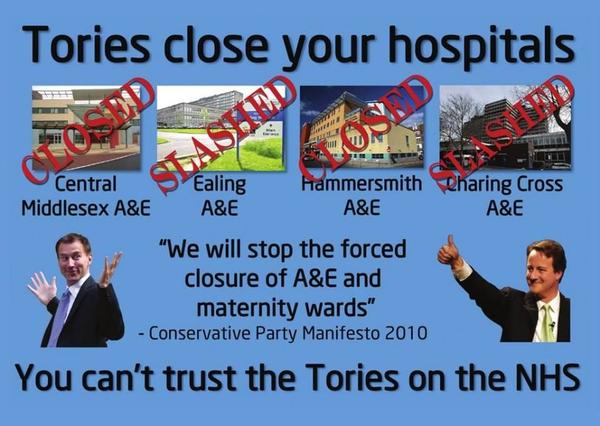
goldfinger
- 24 Nov 2014 01:53
- 51095 of 81564

goldfinger
- 24 Nov 2014 01:55
- 51096 of 81564

goldfinger
- 24 Nov 2014 01:57
- 51097 of 81564
Sutton@NFFC @mac123_m 1 hour ago
#CameronMustGo He has resided over disparity between the rich & poor. Wonder where the money goes? Have a look.
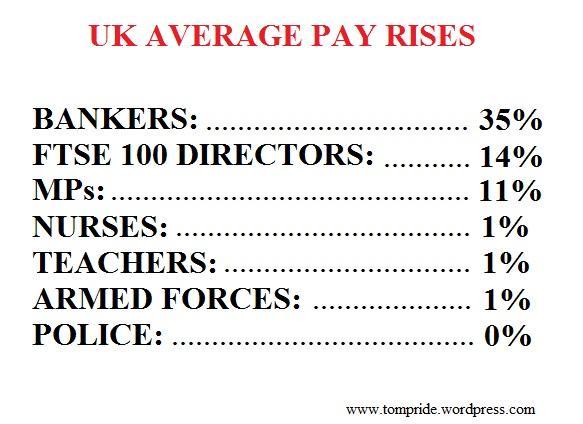
#CameronMustGo He has resided over disparity between the rich & poor. Wonder where the money goes? Have a look.
Chris Carson
- 24 Nov 2014 06:17
- 51098 of 81564
The National: New paper will support independent Scotland
935
PRINT A A A
A new pro-independence daily newspaper is expected to launch in Scotland on Monday in response to the burgeoning support for the SNP following the independence campaign.
Called The National, the tabloid will be produced by the stable that publishes Glasgow’s Herald. Priced 50p, it will have a banner reading: “The newspaper that supports an independent Scotland”, and a print run of about 50,000.
The paper has not yet received full funding from the newspaper group Newsquest. Instead it will have a “pilot” launch under the editorship of Richard Walker, who became editor of the Sunday Herald in 2003 and turned it into Scotland’s only overtly SNP-supporting title. During the run-in to September’s referendum the Herald registered a substantial hike in circulation.
935
PRINT A A A
A new pro-independence daily newspaper is expected to launch in Scotland on Monday in response to the burgeoning support for the SNP following the independence campaign.
Called The National, the tabloid will be produced by the stable that publishes Glasgow’s Herald. Priced 50p, it will have a banner reading: “The newspaper that supports an independent Scotland”, and a print run of about 50,000.
The paper has not yet received full funding from the newspaper group Newsquest. Instead it will have a “pilot” launch under the editorship of Richard Walker, who became editor of the Sunday Herald in 2003 and turned it into Scotland’s only overtly SNP-supporting title. During the run-in to September’s referendum the Herald registered a substantial hike in circulation.
Chris Carson
- 24 Nov 2014 06:23
- 51099 of 81564
Pro-independence The National newspaper details revealed
Details have been released of a pilot which could lead to a new daily, pro-independence newspaper for Scotland.
Sunday Herald editor Richard Walker told a 12,000 crowd of SNP supporters at Glasgow's Hydro that The National would be published from Monday.
However, Mr Walker said publishers Newsquest had only committed to running the newspaper for five days.
Mr Walker, who will edit the paper, said independence supporters needed to convince them there was a market.
The Sunday Herald was the only Scottish newspaper to actively support independence during the referendum.
The new newspaper, which will cost 50p, will be available in newsagents and in an electronic version via online subscription.
Richard Walker will be the editor of The National
The editor told the crowd at the Hydro that people had suggested the paper should cost 45p, to match the percentage of people who voted Yes in the referendum.
But he added: "We are no longer the 45. We are the 50-plus and we will become the 60 and the 70."
He urged independence supporters to ensure that the newspaper became a permanent feature in the Scottish media landscape.
Herald & Times Group managing director Tim Blott said: "It is the first time in many years that a new daily newspaper has been launched in Scotland. The National is an exciting opportunity to meet the needs of a very politically-engaged section of the Scottish population.
"We recognise that launching a newspaper in 2014 is to some extent counter-intuitive but we consistently argue for the power of great journalism and informed opinion.
"We will trial the new title in its proposed format for a week and if, as anticipated, it takes off, then it will become a new and dynamic fixture in Scottish publishing."
Details have been released of a pilot which could lead to a new daily, pro-independence newspaper for Scotland.
Sunday Herald editor Richard Walker told a 12,000 crowd of SNP supporters at Glasgow's Hydro that The National would be published from Monday.
However, Mr Walker said publishers Newsquest had only committed to running the newspaper for five days.
Mr Walker, who will edit the paper, said independence supporters needed to convince them there was a market.
The Sunday Herald was the only Scottish newspaper to actively support independence during the referendum.
The new newspaper, which will cost 50p, will be available in newsagents and in an electronic version via online subscription.
Richard Walker will be the editor of The National
The editor told the crowd at the Hydro that people had suggested the paper should cost 45p, to match the percentage of people who voted Yes in the referendum.
But he added: "We are no longer the 45. We are the 50-plus and we will become the 60 and the 70."
He urged independence supporters to ensure that the newspaper became a permanent feature in the Scottish media landscape.
Herald & Times Group managing director Tim Blott said: "It is the first time in many years that a new daily newspaper has been launched in Scotland. The National is an exciting opportunity to meet the needs of a very politically-engaged section of the Scottish population.
"We recognise that launching a newspaper in 2014 is to some extent counter-intuitive but we consistently argue for the power of great journalism and informed opinion.
"We will trial the new title in its proposed format for a week and if, as anticipated, it takes off, then it will become a new and dynamic fixture in Scottish publishing."
MaxK - 24 Nov 2014 07:50 - 51100 of 81564

MaxK - 24 Nov 2014 07:56 - 51101 of 81564

MaxK - 24 Nov 2014 08:22 - 51102 of 81564

doodlebug4 - 24 Nov 2014 08:59 - 51103 of 81564
By Boris Johnson
6:10AM GMT 24 Nov 2014
The Labour leader’s overreaction to the flag tweet has revealed an uncomfortable truth.
You know what I mean by the Darwin Awards, those satirical celebrations of the people who manage each year to die in the most idiotic possible way – so boosting the quality of the human gene pool. We are talking about the vandals who manage to urinate on power lines; the metal thieves who brilliantly attempt to steal live copper cables. I think it is time we had some political Darwin Awards, to mark our appreciation of the greatest self‑immolators of our time.
This year’s winner would surely be Ed Miliband. He approached the humdrum matter of a tweet by Emily Thornberry in rather the same flamboyant style as the chap in America who won the 2012 Darwin Award.
This intrepid fellow defeated his many rivals by his remarkable handling of an otherwise average suburban barbecue in North Carolina. Noticing a bottle of salsa sauce that contained a yellowish fluid, he guessed it must be alcohol. He took a long and refreshing draught. It was petrol. He spat it out all over his clothes, and then – relieved at his narrow squeak – he decided to relax. He lit a cigarette. I am afraid to say the poor fellow died the following day, in the burns unit of the local hospital.
It was exactly this flair for catastrophe that Miliband has brought to the Thornberry business. He took an everyday occurrence and turned it into something absolutely spectacular. One of his closest Labour friends had been out campaigning in Rochester, and she took a photo on her mobile of a house. The house had some England flags on it, and a white Ford Transit van parked in front of it. She then “tweeted” this photo, and captioned it, “Image of Rochester”. So far, so dull, eh?
It was an entirely run-of-the-mill English townscape, with some straightforward words to go with it. There was no obvious insult, no abuse, no overt sneering. She might have got away with it entirely, had some alert blogger not spotted it. He instantly detected the coded message that Emily Thornberry was sending to all her right-on, bien-pensant, Labour-luvvie friends in Islington, or wherever else it is that they follow her on Twitter.
A furious twitstorm blew up, as it does so often these days – like some summer squall in the Mediterranean: quick to rise, quick to die. Some people denounced her, some defended her. And yet still Emily might have survived; she might today be luxuriating in her position as shadow attorney general; she might never have been chased down her street by photographers; the name Emily Thornberry would still be relatively unknown, and not – as it is today - on the lips of every newspaper columnist, every broadcaster and everyone in the entire country who drives a white van or flies the England flag.
But then Ed Miliband stepped in. He ingeniously doused himself with petrol; he lit the match – and ka-boom: there he is, with staring panda eyes and frazzled hair, and the entire Labour Party looking on in amazement at the destruction. He fired Emily; indeed he is said to have lost his cool altogether and actually shouted at the woman.
This tells us several important things about his leadership, and about the Labour Party under Miliband. The first is that he is prone to panic under pressure – and that is in itself a reason why he should not be prime minister. The second is that he clearly can’t think straight. By sacking Emily Thornberry so violently, he has emphatically and publicly endorsed the real meaning of her tweet.
Rachel Reeves and other ministers have been lining up to support this interpretation – that Thornberry was being snooty about that home in Rochester, and of course they are right. She was indeed being snobbish and condescending. She was showing her Twitter followers that house in order to belittle it and make fun of it.
When Emily Thornberry looks at a white van, she ought to see the people who make this economy go, the grafters and the entrepreneurs who comprise a huge proportion of the GDP of the South East. These are the people any government should want to help and support – by cutting their taxes, for instance, or helping them with a diesel scrappage scheme so that they can buy less polluting vehicles.
If you own a white van, you have worked to buy a vital asset; you are more likely to be helping others into employment; and yet Thornberry looks at a white van and sees only an enemy – a cultural enemy.
She doesn’t care much about small businesses and their problems, and in her experience too many white van men have unacceptably Right-wing views. And what does she see in those England flags? She should see an innocent symbol of patriotism, and love of our country – its language and history and institutions, its Royal family and its countryside, pubs, Shakespeare, football, fish and chips, you name it.
But that is not what Emily sees. She sees the dreaded flag of pot-belled, immigrant-bashing lager louts. She sees the kind of flag that Labour councils have tried in the past to ban from public buildings; she sees a symbol of deplorable nationalism and jingo.
As for the house itself – what does Emily see? She should see a tribute to the efforts of the homeowner, someone who has worked not just to own the place but also to ensure that its architectural features somehow reflect his or her personality. Of course she sees no such thing – only a reminder of the achievement of her bête noire, Mrs Thatcher, who mobilised people to buy their own home.
Mrs Thornberry’s tweet was superbly eloquent of everything that is wrong with the modern Labour Party – a party that is all too obviously full of middle-class lawyers like her, who secretly disdain hard‑working, George Cross-waving white van men. But she might have got away with it; she might have been able to fudge it and keep her head down until the twitstorm passed, and then claim that it had all been grievously misunderstood.
Well done Ed, for so brutally confirming the truth about what Labour really thinks. Give that man a Darwin Award.
The Telegraph
6:10AM GMT 24 Nov 2014
The Labour leader’s overreaction to the flag tweet has revealed an uncomfortable truth.
You know what I mean by the Darwin Awards, those satirical celebrations of the people who manage each year to die in the most idiotic possible way – so boosting the quality of the human gene pool. We are talking about the vandals who manage to urinate on power lines; the metal thieves who brilliantly attempt to steal live copper cables. I think it is time we had some political Darwin Awards, to mark our appreciation of the greatest self‑immolators of our time.
This year’s winner would surely be Ed Miliband. He approached the humdrum matter of a tweet by Emily Thornberry in rather the same flamboyant style as the chap in America who won the 2012 Darwin Award.
This intrepid fellow defeated his many rivals by his remarkable handling of an otherwise average suburban barbecue in North Carolina. Noticing a bottle of salsa sauce that contained a yellowish fluid, he guessed it must be alcohol. He took a long and refreshing draught. It was petrol. He spat it out all over his clothes, and then – relieved at his narrow squeak – he decided to relax. He lit a cigarette. I am afraid to say the poor fellow died the following day, in the burns unit of the local hospital.
It was exactly this flair for catastrophe that Miliband has brought to the Thornberry business. He took an everyday occurrence and turned it into something absolutely spectacular. One of his closest Labour friends had been out campaigning in Rochester, and she took a photo on her mobile of a house. The house had some England flags on it, and a white Ford Transit van parked in front of it. She then “tweeted” this photo, and captioned it, “Image of Rochester”. So far, so dull, eh?
It was an entirely run-of-the-mill English townscape, with some straightforward words to go with it. There was no obvious insult, no abuse, no overt sneering. She might have got away with it entirely, had some alert blogger not spotted it. He instantly detected the coded message that Emily Thornberry was sending to all her right-on, bien-pensant, Labour-luvvie friends in Islington, or wherever else it is that they follow her on Twitter.
A furious twitstorm blew up, as it does so often these days – like some summer squall in the Mediterranean: quick to rise, quick to die. Some people denounced her, some defended her. And yet still Emily might have survived; she might today be luxuriating in her position as shadow attorney general; she might never have been chased down her street by photographers; the name Emily Thornberry would still be relatively unknown, and not – as it is today - on the lips of every newspaper columnist, every broadcaster and everyone in the entire country who drives a white van or flies the England flag.
But then Ed Miliband stepped in. He ingeniously doused himself with petrol; he lit the match – and ka-boom: there he is, with staring panda eyes and frazzled hair, and the entire Labour Party looking on in amazement at the destruction. He fired Emily; indeed he is said to have lost his cool altogether and actually shouted at the woman.
This tells us several important things about his leadership, and about the Labour Party under Miliband. The first is that he is prone to panic under pressure – and that is in itself a reason why he should not be prime minister. The second is that he clearly can’t think straight. By sacking Emily Thornberry so violently, he has emphatically and publicly endorsed the real meaning of her tweet.
Rachel Reeves and other ministers have been lining up to support this interpretation – that Thornberry was being snooty about that home in Rochester, and of course they are right. She was indeed being snobbish and condescending. She was showing her Twitter followers that house in order to belittle it and make fun of it.
When Emily Thornberry looks at a white van, she ought to see the people who make this economy go, the grafters and the entrepreneurs who comprise a huge proportion of the GDP of the South East. These are the people any government should want to help and support – by cutting their taxes, for instance, or helping them with a diesel scrappage scheme so that they can buy less polluting vehicles.
If you own a white van, you have worked to buy a vital asset; you are more likely to be helping others into employment; and yet Thornberry looks at a white van and sees only an enemy – a cultural enemy.
She doesn’t care much about small businesses and their problems, and in her experience too many white van men have unacceptably Right-wing views. And what does she see in those England flags? She should see an innocent symbol of patriotism, and love of our country – its language and history and institutions, its Royal family and its countryside, pubs, Shakespeare, football, fish and chips, you name it.
But that is not what Emily sees. She sees the dreaded flag of pot-belled, immigrant-bashing lager louts. She sees the kind of flag that Labour councils have tried in the past to ban from public buildings; she sees a symbol of deplorable nationalism and jingo.
As for the house itself – what does Emily see? She should see a tribute to the efforts of the homeowner, someone who has worked not just to own the place but also to ensure that its architectural features somehow reflect his or her personality. Of course she sees no such thing – only a reminder of the achievement of her bête noire, Mrs Thatcher, who mobilised people to buy their own home.
Mrs Thornberry’s tweet was superbly eloquent of everything that is wrong with the modern Labour Party – a party that is all too obviously full of middle-class lawyers like her, who secretly disdain hard‑working, George Cross-waving white van men. But she might have got away with it; she might have been able to fudge it and keep her head down until the twitstorm passed, and then claim that it had all been grievously misunderstood.
Well done Ed, for so brutally confirming the truth about what Labour really thinks. Give that man a Darwin Award.
The Telegraph
MaxK - 24 Nov 2014 09:00 - 51104 of 81564
Ukip is now MORE POPULAR than Labour: Nigel Farage gets polls boost as Ukip surges ahead
NIGEL Farage won a fresh boost today when an opinion poll pronounced his party the second most popular after the Conservatives, pushing Labour into third place.
By: Alison Little, Deputy Political Editor
Published: Mon, November 24, 2014
http://www.express.co.uk/news/politics/539175/Boost-Farage-Ukip-second-Tories
NIGEL Farage won a fresh boost today when an opinion poll pronounced his party the second most popular after the Conservatives, pushing Labour into third place.
By: Alison Little, Deputy Political Editor
Published: Mon, November 24, 2014
http://www.express.co.uk/news/politics/539175/Boost-Farage-Ukip-second-Tories
goldfinger
- 24 Nov 2014 09:25
- 51105 of 81564
Express poll, as reliable as Camoron himself.
I see Camoron is STILL trending on twitter now in 2nd place. All weekend and today 'Camoron must go'
I see Camoron is STILL trending on twitter now in 2nd place. All weekend and today 'Camoron must go'
goldfinger
- 24 Nov 2014 09:28
- 51106 of 81564
Conservatives and Labour tied
Latest YouGov / Sunday Times results 23rd November - Con 33%, Lab 33%, LD 7%, UKIP 16%;
Latest YouGov / Sunday Times results 23rd November - Con 33%, Lab 33%, LD 7%, UKIP 16%;
Haystack
- 24 Nov 2014 09:43
- 51107 of 81564
http://www.dailymail.co.uk/debate/article-2846731/Why-Red-Ed-s-bid-parade-patriotism-unconvincing.html
Why Red Ed's bid to parade his patriotism is SO unconvincing
There is one quality in a leader that Ed Miliband certainly does not lack: ruthlessness. The manner in which he destroyed the political career of his elder brother in order to gain control of the Labour Party told us that.
Now, he has sacked one of his earliest champions - and apparently a friend - Emily Thornberry.
The shadow attorney general had tweeted - without comment - a picture of a house in Rochester festooned with St George’s flags that had caught her attention while campaigning in the local by-election.
That was enough: in the brutal style of Alan Sugar, Miliband told her ‘you’re fired’. Yet this was not so much cruelty on Miliband’s part, as sheer panic.
For Thornberry’s terminal offence was to draw attention to the single biggest weakness of the modern Labour Party - the sense that it speaks for a rarified class of public sector officials and administrators, rather than the working people it was originally created to represent.
More particularly, the Labour leader felt obliged to ditch his friend because her de-haut-en-bas tweet encapsulated exactly what many see as his own identity: a man who regards the patriotic working man driving a white van as at best an anthropological oddity, and as at worst a savage.
That the Labour leader still doesn’t quite get it was made clear when he insisted that when he sees a St George’s Flag, he feels ‘respect’ for the person displaying it.
Respect is what politicians say they accord to those whose views they can’t stand (‘with the greatest of respect’). Fellow-feeling is more what the public might want him to say that he experienced on seeing the national flag — but then that would be a lie and Miliband is too hopeless an actor to get away with a fib even if he wanted to.
We are all deeply influenced by our upbringing, for better or for worse. The Labour leader was brought up in a highly intellectual Marxist home, in which it would have been axiomatic that nationalism was only a bad thing.
That was entirely understandable: his father Ralph, born Adolphe, had escaped from a Holocaust created by the most toxic German nationalism. Many others in that Jewish family had not been so fortunate, being murdered in the Nazi death camps.
But the Marxist default position, that the only war worth fighting is the class war and that all expressions of national and cultural identity are delusional except in so far as they can be described as ‘anti-colonial’, has bedevilled the Left as a whole: the Miliband home was a salon for many influential figures who shared this world view and sought to propagate it through the educational system (at which they were quite successful.)
But, as applied to the wider Britain outside the academy, it has created nothing more than a blank space on the map. Robert Colls, the author of Identity of England, remarked of the Blair years: ‘To fill the historical vacuum, “diversity” became New Labour’s watchword. But diversity . . . left nothing to build on.’
In fact, Blair did understand the strong appeal of national symbols and patriotism, which explained why in the 1997 General Election he chose the British bulldog as one of his emblems and even had an article appear under his name in the Sun entitled ‘Why I love the pound’. Of course, no one ‘loves’ a currency: Blair did this to deflect attention from the fact that he really wanted Britain to adopt the euro.
The then Labour leader’s embrace of national symbols may have been deeply cynical, but he at least understood something about the nature of the electorate he was attempting to seduce.
His first political campaign had been the Beaconsfield by-election of 1982. Between his adoption as the Labour candidate and the campaign’s start, the Falklands War broke out.
The young Blair campaigned on the basis that ‘the islanders cannot be allowed to determine the future of the Falklands’ — and was completely marmalised, losing his deposit
Apparently, Blair later told Robin Cook: ‘The thing I learned from Beaconsfield is that wars make Prime Ministers popular’.
But Blair misunderstood his nemesis on the streets of Beaconsfield — with dreadful consequences in Iraq 20 years later. It was not that we were fighting a war that was popular — it was the fact that the government was defending the interests of British subjects against a foreign invader.
Blair’s later military mission of so-called ‘humanitarian intervention’ — as in Kosovo — never captured the British public’s hearts.
As the socialist novelist and journalist George Orwell wrote in My Country Right Or Left, during the 1940s: ‘Patriotism is usually stronger than class hatred and always stronger than internationalism.’ Seventy years later, it still is.
Orwell was, in terms of the British Left, very isolated in holding such opinions. Yet unlike so many of them at the time — and certainly unlike the current generation of career politicians — he had deep first-hand knowledge of what he was writing and talking about.
When he denounced the British Empire, it was with the experience of having been a member of the Imperial Police in Burma. When he spoke of what really motivated British workers, it was from having lived among the miners in the North of England.
This helps explain what he wrote about the peculiar out-of-touchness of the Left-wing intelligentsia, which bears repetition today: ‘England is perhaps the only country whose intellectuals are ashamed of their own nationality.
In Left-wing circles it is always felt that there is something slightly disgraceful in being an Englishman and that it is a duty to snigger at every English institution, from horse racing to suet puddings.
Why Red Ed's bid to parade his patriotism is SO unconvincing
There is one quality in a leader that Ed Miliband certainly does not lack: ruthlessness. The manner in which he destroyed the political career of his elder brother in order to gain control of the Labour Party told us that.
Now, he has sacked one of his earliest champions - and apparently a friend - Emily Thornberry.
The shadow attorney general had tweeted - without comment - a picture of a house in Rochester festooned with St George’s flags that had caught her attention while campaigning in the local by-election.
That was enough: in the brutal style of Alan Sugar, Miliband told her ‘you’re fired’. Yet this was not so much cruelty on Miliband’s part, as sheer panic.
For Thornberry’s terminal offence was to draw attention to the single biggest weakness of the modern Labour Party - the sense that it speaks for a rarified class of public sector officials and administrators, rather than the working people it was originally created to represent.
More particularly, the Labour leader felt obliged to ditch his friend because her de-haut-en-bas tweet encapsulated exactly what many see as his own identity: a man who regards the patriotic working man driving a white van as at best an anthropological oddity, and as at worst a savage.
That the Labour leader still doesn’t quite get it was made clear when he insisted that when he sees a St George’s Flag, he feels ‘respect’ for the person displaying it.
Respect is what politicians say they accord to those whose views they can’t stand (‘with the greatest of respect’). Fellow-feeling is more what the public might want him to say that he experienced on seeing the national flag — but then that would be a lie and Miliband is too hopeless an actor to get away with a fib even if he wanted to.
We are all deeply influenced by our upbringing, for better or for worse. The Labour leader was brought up in a highly intellectual Marxist home, in which it would have been axiomatic that nationalism was only a bad thing.
That was entirely understandable: his father Ralph, born Adolphe, had escaped from a Holocaust created by the most toxic German nationalism. Many others in that Jewish family had not been so fortunate, being murdered in the Nazi death camps.
But the Marxist default position, that the only war worth fighting is the class war and that all expressions of national and cultural identity are delusional except in so far as they can be described as ‘anti-colonial’, has bedevilled the Left as a whole: the Miliband home was a salon for many influential figures who shared this world view and sought to propagate it through the educational system (at which they were quite successful.)
But, as applied to the wider Britain outside the academy, it has created nothing more than a blank space on the map. Robert Colls, the author of Identity of England, remarked of the Blair years: ‘To fill the historical vacuum, “diversity” became New Labour’s watchword. But diversity . . . left nothing to build on.’
In fact, Blair did understand the strong appeal of national symbols and patriotism, which explained why in the 1997 General Election he chose the British bulldog as one of his emblems and even had an article appear under his name in the Sun entitled ‘Why I love the pound’. Of course, no one ‘loves’ a currency: Blair did this to deflect attention from the fact that he really wanted Britain to adopt the euro.
The then Labour leader’s embrace of national symbols may have been deeply cynical, but he at least understood something about the nature of the electorate he was attempting to seduce.
His first political campaign had been the Beaconsfield by-election of 1982. Between his adoption as the Labour candidate and the campaign’s start, the Falklands War broke out.
The young Blair campaigned on the basis that ‘the islanders cannot be allowed to determine the future of the Falklands’ — and was completely marmalised, losing his deposit
Apparently, Blair later told Robin Cook: ‘The thing I learned from Beaconsfield is that wars make Prime Ministers popular’.
But Blair misunderstood his nemesis on the streets of Beaconsfield — with dreadful consequences in Iraq 20 years later. It was not that we were fighting a war that was popular — it was the fact that the government was defending the interests of British subjects against a foreign invader.
Blair’s later military mission of so-called ‘humanitarian intervention’ — as in Kosovo — never captured the British public’s hearts.
As the socialist novelist and journalist George Orwell wrote in My Country Right Or Left, during the 1940s: ‘Patriotism is usually stronger than class hatred and always stronger than internationalism.’ Seventy years later, it still is.
Orwell was, in terms of the British Left, very isolated in holding such opinions. Yet unlike so many of them at the time — and certainly unlike the current generation of career politicians — he had deep first-hand knowledge of what he was writing and talking about.
When he denounced the British Empire, it was with the experience of having been a member of the Imperial Police in Burma. When he spoke of what really motivated British workers, it was from having lived among the miners in the North of England.
This helps explain what he wrote about the peculiar out-of-touchness of the Left-wing intelligentsia, which bears repetition today: ‘England is perhaps the only country whose intellectuals are ashamed of their own nationality.
In Left-wing circles it is always felt that there is something slightly disgraceful in being an Englishman and that it is a duty to snigger at every English institution, from horse racing to suet puddings.
aldwickk
- 24 Nov 2014 09:48
- 51108 of 81564
MaxK - 23 Nov 2014 23:30 - 51093 of 51109
Good gear eh Haystack?
Let me know your dealer.
goldfinger [Send an email to goldfinger] [View goldfinger's profile] - 23 Nov 2014 23:39 - 51094 of 51109
Big black man on London Bridge.
That was very racist , not all drug dealers are black. Labour supporter brands black men as drug dealers
| About MoneyAM | Ts and Cs | Privacy Policy | Investment Warning | Content Standards | Corporate Solutions | Advertise With Us | Site Map | © 2026 MoneyAM |
Register now for FREE
Share Prices,
Stock Quotes,
Charts, Bulletin Boards, Indices, Watchlists, Portfolio, Market News, Research
or see our Premium Services including Level 2, Terminal and much more.
 Follow us on Twitter