

| Home | Log In | Register | Our Services | My Account | Contact | Help |
You are NOT currently logged in
Register now or login to post to this thread.
THE TALK TO YOURSELF THREAD. (NOWT)
goldfinger

 - 09 Jun 2005 12:25


Thought Id start this one going because its rather dead on this board at the moment and I suppose all my usual muckers are either at the Stella tennis event watching Dim Tim (lose again) or at Henly Regatta eating cucumber sandwiches (they wish,...NOT).
Anyway please feel free to just talk to yourself blast away and let it go on any company or subject you wish. Just wish Id thought of this one before.
cheers GF.
Anyway please feel free to just talk to yourself blast away and let it go on any company or subject you wish. Just wish Id thought of this one before.
cheers GF.
Fred1new
- 28 Nov 2014 22:57
- 51727 of 81564
I know the Hairy One called Cameron "slimeball".
Just watched Matthew Hancock. Jesus he is an even bigger one.
How did one party get so many?
Haze, do you feel you belong to the elite of the party?
Wait for the mantra from PHQ before and after the U-turns.
Just watched Matthew Hancock. Jesus he is an even bigger one.
How did one party get so many?
Haze, do you feel you belong to the elite of the party?
Wait for the mantra from PHQ before and after the U-turns.
MaxK - 28 Nov 2014 23:51 - 51728 of 81564
Lets not forget good ol Nick.
Stan
- 29 Nov 2014 06:52
- 51729 of 81564
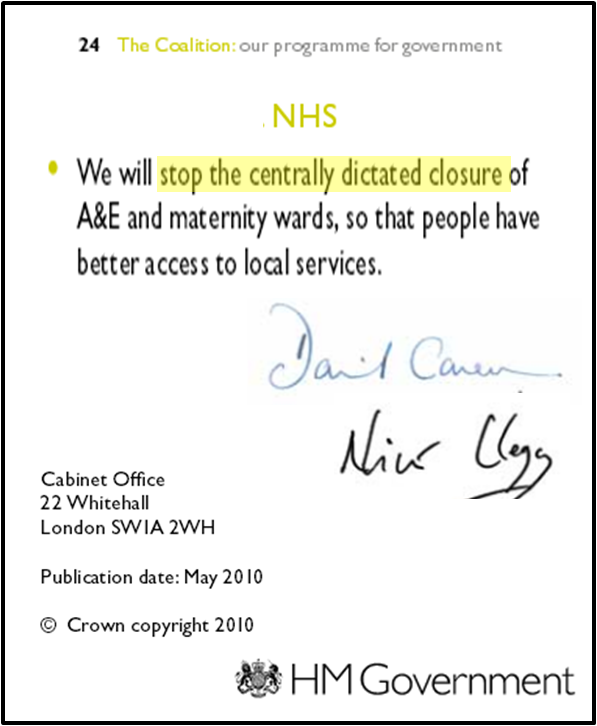
Oh dear, written evidence of more lies on top of all the deceit.. a truly nasty bunch of oinks.
Fred1new
- 29 Nov 2014 09:10
- 51730 of 81564
Fred1new
- 29 Nov 2014 09:11
- 51731 of 81564

MaxK - 29 Nov 2014 09:32 - 51732 of 81564

Haystack
- 29 Nov 2014 12:56
- 51733 of 81564
One of the gaps in the UKIP story is that they want out of the EU and have a Free Trade agreement like Switzerland, Norway etc. The problem is that to join the Free Trade arrangement, you must accept free movement of people. Norway, in particular, has a bigger percentage of immigrant workers than we do. Switzerland is currently trying to cap immigrant numbers from the EU. This produced a warning from the EU that may be expelled from the trade agreement. As usual UKIP has not thought out the policy or is keeping quiet about it
Fred1new
- 29 Nov 2014 15:31
- 51734 of 81564
Neither have the right winged euroseptics in the Con Party.
cynic
- 29 Nov 2014 16:49
- 51735 of 81564
and what about the bench opposite?
Haystack
- 29 Nov 2014 16:58
- 51736 of 81564
That's why Cameron has backed down on a cap on EU nationals after a talk with Merkel. It is just not possible.
MaxK - 29 Nov 2014 18:06 - 51737 of 81564
It is possible to put a cap on anything.
But not if you are part of the €U, which brings us around full circle.
Out of the €U toot sweet!
But not if you are part of the €U, which brings us around full circle.
Out of the €U toot sweet!
cynic
- 29 Nov 2014 18:20
- 51738 of 81564
nor if you want to be part of the free trade agreement that then has preferential access to eu markets
Haystack
- 29 Nov 2014 19:30
- 51739 of 81564
If you want caps on EU immigration then you have to severe all connection with Europe. We would have to change our relationship to one similar to say a South American country. Anything much closer will require free movement of people.
Fred1new
- 29 Nov 2014 20:18
- 51740 of 81564
The only time that Labour would want to exit EU would be if Le Pen and the National Front came to power.
Probably, UKIP and other far right i.... would be queuing up to join her.
========
Mellor,
He asks why he behaved like he did.
Because he is a nasty conceited elitist little B....D.
I wonder who else I could apply that to.
Sorry Manuel, must be Haze!
Probably, UKIP and other far right i.... would be queuing up to join her.
========
Mellor,
He asks why he behaved like he did.
Because he is a nasty conceited elitist little B....D.
I wonder who else I could apply that to.
Sorry Manuel, must be Haze!
cynic
- 30 Nov 2014 08:26
- 51741 of 81564
this has been recommended to me as a most interesting read, and should also interst certain sections here .....
Avi Shlaim's The Iron Wall: Israel and the Arab World is a fresh and informed account of the modern world's most intractable conflict.
In the 1920s, hard-line Zionists developed the doctrine of the 'Iron Wall': negotiations with the Arabs must always be from a position of military strength, and only when sufficiently strong Israel would be able to make peace with her Arab neighbours.
This doctrine, argues Avi Shlaim, became central to Israeli policy; dissenters were marginalized and many opportunities to reconcile with Palestinian Arabs were lost. Drawing on a great deal of new material and interviews with many key participants, Shlaim places Israel's political and military actions under and uncompromising lens.
Avi Shlaim's The Iron Wall: Israel and the Arab World is a fresh and informed account of the modern world's most intractable conflict.
In the 1920s, hard-line Zionists developed the doctrine of the 'Iron Wall': negotiations with the Arabs must always be from a position of military strength, and only when sufficiently strong Israel would be able to make peace with her Arab neighbours.
This doctrine, argues Avi Shlaim, became central to Israeli policy; dissenters were marginalized and many opportunities to reconcile with Palestinian Arabs were lost. Drawing on a great deal of new material and interviews with many key participants, Shlaim places Israel's political and military actions under and uncompromising lens.
cynic
- 30 Nov 2014 08:29
- 51742 of 81564
£2bn for NHS
the headline reads well, and one can only hope that it is wisely spent - pretty forlorn hope i fear
however, from where will this big slab of money of come as well as that for the mega infrastructure programmes that are also forecast?
more cuts in welfare payments?
possibly, as those on benefits will rarely be conservatives, and most probably don't vote at all
the headline reads well, and one can only hope that it is wisely spent - pretty forlorn hope i fear
however, from where will this big slab of money of come as well as that for the mega infrastructure programmes that are also forecast?
more cuts in welfare payments?
possibly, as those on benefits will rarely be conservatives, and most probably don't vote at all
MaxK - 30 Nov 2014 09:00 - 51743 of 81564
David Cameron is all fine speeches and no action
Does anyone in Downing Street really believe that this strategy will win over the voters, asks Janet Daley.

Master PR man: David Cameron at 10 Downing Street Photo: GETTY IMAGES
Janet Daley
By Janet Daley
7:00PM GMT 29 Nov 2014
Another week, another smart political move from David Cameron. Or was it? The endlessly trailed and ever-so-long-anticipated speech on immigration finally arrived, and in spite of Mr Cameron’s delivery – which implied unambiguous frankness – was immediately subjected to forensic textual analysis. Instead of putting to rest the question of what he really intended to do about the EU, he launched an instant new wave of doubt and interpretation. For all the Kremlinology about how much of this had been pre-agreed with Brussels and sold in advance to the Liberal Democrats, the most concise judg-ment – oddly enough – came from Ed Miliband: people were not going to believe the Prime Minister’s new promises when he had broken the old ones.
Banal it may be as an Opposition leader’s retort, but it does hit what has become the most serious (perhaps fatal) Cameron problem squarely on the head. The example at the top of everybody’s mind was the failure to deliver on the “no ifs, no buts” promise to reduce immigration, which was so inconveniently exposed by the net migration figures the day before the speech.
But only a day before that, there had been another grotesque embarrassment involving another of Mr Cameron’s smart political moves. Remember that brilliant surprise announcement first thing in the morning after the Scottish referendum result? Mr Cameron strode out on to Downing Street and proclaimed that the further devolution he had promised to the Scots would indeed be delivered, but it would have to be accompanied by a parallel undertaking to the English: if Scottish voters were to be given more control over their own affairs, they would have to lose their powers over matters that affected only English voters. Well, as of this moment, that does not appear to be true.
The initial recommendations seem to involve the Scots having their shortbread and eating it. They will not only get more tax-raising powers for themselves, plus the continuation of the Barnett subsidy from Westminster – but their MPs will continue to vote on English budgetary issues. That is what you call hitting the jackpot. Downing Street now says that, in fact, proposals to address the English question will be forthcoming “within weeks”, even though Labour leaders are claiming they have had an assurance that their Scottish MPs will not be shut out of English political matters. So, either Mr Cameron is saying different things to different people or he is about to rewrite the British constitutional settlement on the hoof. I’m not sure which is worse.
Once again, there is either going to be a public sense of betrayal or a fudge designed to give the impression that concrete actions have followed inspirational words. And all of this stems from making smart political moves that consist entirely of saying clever things.
More: http://www.telegraph.co.uk/news/politics/11261407/David-Cameron-is-all-fine-speeches-and-no-action.html
Does anyone in Downing Street really believe that this strategy will win over the voters, asks Janet Daley.
Master PR man: David Cameron at 10 Downing Street Photo: GETTY IMAGES
Janet Daley
By Janet Daley
7:00PM GMT 29 Nov 2014
Another week, another smart political move from David Cameron. Or was it? The endlessly trailed and ever-so-long-anticipated speech on immigration finally arrived, and in spite of Mr Cameron’s delivery – which implied unambiguous frankness – was immediately subjected to forensic textual analysis. Instead of putting to rest the question of what he really intended to do about the EU, he launched an instant new wave of doubt and interpretation. For all the Kremlinology about how much of this had been pre-agreed with Brussels and sold in advance to the Liberal Democrats, the most concise judg-ment – oddly enough – came from Ed Miliband: people were not going to believe the Prime Minister’s new promises when he had broken the old ones.
Banal it may be as an Opposition leader’s retort, but it does hit what has become the most serious (perhaps fatal) Cameron problem squarely on the head. The example at the top of everybody’s mind was the failure to deliver on the “no ifs, no buts” promise to reduce immigration, which was so inconveniently exposed by the net migration figures the day before the speech.
But only a day before that, there had been another grotesque embarrassment involving another of Mr Cameron’s smart political moves. Remember that brilliant surprise announcement first thing in the morning after the Scottish referendum result? Mr Cameron strode out on to Downing Street and proclaimed that the further devolution he had promised to the Scots would indeed be delivered, but it would have to be accompanied by a parallel undertaking to the English: if Scottish voters were to be given more control over their own affairs, they would have to lose their powers over matters that affected only English voters. Well, as of this moment, that does not appear to be true.
The initial recommendations seem to involve the Scots having their shortbread and eating it. They will not only get more tax-raising powers for themselves, plus the continuation of the Barnett subsidy from Westminster – but their MPs will continue to vote on English budgetary issues. That is what you call hitting the jackpot. Downing Street now says that, in fact, proposals to address the English question will be forthcoming “within weeks”, even though Labour leaders are claiming they have had an assurance that their Scottish MPs will not be shut out of English political matters. So, either Mr Cameron is saying different things to different people or he is about to rewrite the British constitutional settlement on the hoof. I’m not sure which is worse.
Once again, there is either going to be a public sense of betrayal or a fudge designed to give the impression that concrete actions have followed inspirational words. And all of this stems from making smart political moves that consist entirely of saying clever things.
More: http://www.telegraph.co.uk/news/politics/11261407/David-Cameron-is-all-fine-speeches-and-no-action.html
goldfinger
- 30 Nov 2014 11:25
- 51744 of 81564
Latest YouGov / Sunday Times results 28th November - Con 32%, Lab 34%, LD 7%, UKIP 15%;
doodlebug4 - 30 Nov 2014 12:33 - 51745 of 81564
By Iain Martin
7:48PM GMT 29 Nov 2014
Despite the deficit, the identity of his accusers gives the Chancellor an enormous electoral advantage that Ed Miliband and Ed Balls still struggle to process mentally, says Iain Martin.
Four-and-a-half years into the job, the Chancellor is almost unrecognisable as the soft-faced youngster who in opposition promised optimistically to “share the proceeds of growth”. His features are drawn, his demeanour is earnest – and such is his ghostly pallor that MPs ask whether he knows something terrible about the state of the economy that he isn’t telling us.
Their concern is justified. Despite all the talk of austerity and cutbacks, the UK’s finances remain a long way from being fixed. As the Chancellor will be forced to admit when he delivers his Autumn Statement on Wednesday, the Government is on track to borrow in the region of £100 billion this year, an incredible sum when one considers that six years have elapsed since the financial crisis. On that front, it is to be hoped that Mr Osborne will include a word or two in his statement this week about the central role played by one of his predecessors in ruining the nation’s finances.
Last week, it was reported that Gordon Brown will not be standing at the next general election. Although even the surging SNP would struggle to take his seat in Fife, the prospect of clinging on as the Nationalist tide laps around his ankles cannot be appealing. Remember that according to Mr Brown the Nationalists were supposed to have been killed off by Scottish devolution, another project on which he, the great strategist, appointed himself chief architect.
How different the terrain looked a decade ago, and how confident Mr Brown sounded. Ten years ago this week, a cocksure Chancellor Brown delivered a pre-Budget statement in which he paid tribute to his own brilliance. He told the Commons that it was all going splendidly well with the economy: “Inflation at 1.2 per cent, claimant unemployment 2.7 per cent, interest rates 4.75 per cent, growth rising by 3 per cent, living standards by 3 per cent… stability the foundation… more investment not less… opportunity for all… a progressive Britain we can be proud of.”
Today the country is still counting the cost of Mr Brown’s hubris. Whereas the national debt stood at almost £450 billion in 2004, it has since soared to £1.45 trillion, as the Government has maintained spending, and tax revenues failed to recover. The cumulative shortfall means that £1 trillion has been added to the pile, which for now costs £55 billion in debt-interest payments.
Even now, the Labour leadership struggles to comprehend the enormity of the mistakes that were made before the crash. Mr Brown’s policies did not directly cause the global meltdown in 2008 and resulting recession, says the party. This is true, though only up to a point. The British banks that he lauded and let rip were especially aggressive in helping to inflate the biggest global credit bubble in history. According to the Bank of England, the total assets of the UK’s biggest banks came to £1.4 trillion in 2000, equivalent to 143 per cent of GDP. When measured in 2010, shortly after the crisis, their balance sheets totalled £6.24 trillion, or 450 per cent of GDP.
No wonder the impact of the earthquake was spectacular, and its aftershocks in Britain so long-lasting, when the government had allowed our banking system to grow that big, so rapidly.
But where Mr Brown and Tony Blair – who let him do it – are most culpable is that they foolishly predicated policy and their increased government spending on the boom lasting indefinitely. By mistaking a crazy credit explosion for the “end of boom and bust” they left the country exposed when, as history suggests always happens, eventually there was a bust. The result has been an abnormally long downturn, a broken banking system failing to meet the needs of the economy, persistently high deficits and that growing national debt.
Step forward Mr Osborne, who must this week explain how the job of clearing up the mess is going.
There is some good news. The Prime Minister and the Chancellor are right to say that a quiet revolution is taking place in the UK economy, as its shape changes for the better. Not only is self-employment on the rise, but also new business formation is at levels that suggest an entrepreneurial revival is under way. According to the Department for Business, Innovation and Skills, there were a record 5.2 million private sector businesses at the start of 2014, an increase of 330,000 on the previous year. That is up 51 per cent on the numbers at the turn of the century.
It is on this improvement that Mr Osborne plans, quite sensibly, to hang his hopes. The UK is in the middle of a painful readjustment, to which a substantial part of its workforce is adapting by just getting on with it. There is no credible alternative or easy fix.
The problem for the Tories is that the failure to get a proper grip on the deficit – the gap between government spending and income – will have to be rectified soon after next year’s general election, creating plenty of scope for the Opposition to terrify the very voters the Tories are already struggling to convince. As Paul Johnson of the independent Institute for Fiscal Studies makes clear in an interview with The Sunday Telegraph, the cuts that will be required next time are bigger than anything attempted by the existing Coalition.
All this is in spite of strong growth and an employment miracle in which almost 900,000 private sector jobs have been created since the Coalition came to power. Unfortunately, that jobs growth has not yet been matched by wage increases, meaning that tax revenues have disappointed. Simultaneously, the Government has ring-fenced spending on big-ticket items such as the NHS and pensions, and further down the scale even borrowed money to send it abroad in the form of foreign aid.
It leaves the Conservatives rather embarrassedly arguing that, look, their record is not perfect but can you imagine how much worse it would have been if the other lot had been in charge, and Labour’s advice to limit austerity had been followed?
On Wednesday, the Labour leader and the shadow chancellor Ed Balls will, of course, shake their heads smugly when the Chancellor has to recount the state of the public finances, although it is difficult to see how Labour’s preferred solution (more borrowing and higher taxes) will do anything other than hit economic growth and increase the deficit still further.
In the end, despite the deficit, the identity of his accusers gives the Chancellor an enormous electoral advantage that Labour frontbenchers still struggle to process mentally. It remains the best Tory hope that the pair pointing out Mr Osborne’s limitations have (incredibly) not even acknowledged properly how an epic once-in-a-generation intellectual failure by Gordon Brown – and his presumption that he had ended the business cycle and cured mankind of its tendency to idiocy in a boom – lies at the root of Britain’s serious and ongoing problems.
Now, the Chancellor can say, Mr Brown’s two principal advisers from that disastrous period in the Treasury – Ed Miliband and Ed Balls – are back demanding another go.
The Telegraph
7:48PM GMT 29 Nov 2014
Despite the deficit, the identity of his accusers gives the Chancellor an enormous electoral advantage that Ed Miliband and Ed Balls still struggle to process mentally, says Iain Martin.
Four-and-a-half years into the job, the Chancellor is almost unrecognisable as the soft-faced youngster who in opposition promised optimistically to “share the proceeds of growth”. His features are drawn, his demeanour is earnest – and such is his ghostly pallor that MPs ask whether he knows something terrible about the state of the economy that he isn’t telling us.
Their concern is justified. Despite all the talk of austerity and cutbacks, the UK’s finances remain a long way from being fixed. As the Chancellor will be forced to admit when he delivers his Autumn Statement on Wednesday, the Government is on track to borrow in the region of £100 billion this year, an incredible sum when one considers that six years have elapsed since the financial crisis. On that front, it is to be hoped that Mr Osborne will include a word or two in his statement this week about the central role played by one of his predecessors in ruining the nation’s finances.
Last week, it was reported that Gordon Brown will not be standing at the next general election. Although even the surging SNP would struggle to take his seat in Fife, the prospect of clinging on as the Nationalist tide laps around his ankles cannot be appealing. Remember that according to Mr Brown the Nationalists were supposed to have been killed off by Scottish devolution, another project on which he, the great strategist, appointed himself chief architect.
How different the terrain looked a decade ago, and how confident Mr Brown sounded. Ten years ago this week, a cocksure Chancellor Brown delivered a pre-Budget statement in which he paid tribute to his own brilliance. He told the Commons that it was all going splendidly well with the economy: “Inflation at 1.2 per cent, claimant unemployment 2.7 per cent, interest rates 4.75 per cent, growth rising by 3 per cent, living standards by 3 per cent… stability the foundation… more investment not less… opportunity for all… a progressive Britain we can be proud of.”
Today the country is still counting the cost of Mr Brown’s hubris. Whereas the national debt stood at almost £450 billion in 2004, it has since soared to £1.45 trillion, as the Government has maintained spending, and tax revenues failed to recover. The cumulative shortfall means that £1 trillion has been added to the pile, which for now costs £55 billion in debt-interest payments.
Even now, the Labour leadership struggles to comprehend the enormity of the mistakes that were made before the crash. Mr Brown’s policies did not directly cause the global meltdown in 2008 and resulting recession, says the party. This is true, though only up to a point. The British banks that he lauded and let rip were especially aggressive in helping to inflate the biggest global credit bubble in history. According to the Bank of England, the total assets of the UK’s biggest banks came to £1.4 trillion in 2000, equivalent to 143 per cent of GDP. When measured in 2010, shortly after the crisis, their balance sheets totalled £6.24 trillion, or 450 per cent of GDP.
No wonder the impact of the earthquake was spectacular, and its aftershocks in Britain so long-lasting, when the government had allowed our banking system to grow that big, so rapidly.
But where Mr Brown and Tony Blair – who let him do it – are most culpable is that they foolishly predicated policy and their increased government spending on the boom lasting indefinitely. By mistaking a crazy credit explosion for the “end of boom and bust” they left the country exposed when, as history suggests always happens, eventually there was a bust. The result has been an abnormally long downturn, a broken banking system failing to meet the needs of the economy, persistently high deficits and that growing national debt.
Step forward Mr Osborne, who must this week explain how the job of clearing up the mess is going.
There is some good news. The Prime Minister and the Chancellor are right to say that a quiet revolution is taking place in the UK economy, as its shape changes for the better. Not only is self-employment on the rise, but also new business formation is at levels that suggest an entrepreneurial revival is under way. According to the Department for Business, Innovation and Skills, there were a record 5.2 million private sector businesses at the start of 2014, an increase of 330,000 on the previous year. That is up 51 per cent on the numbers at the turn of the century.
It is on this improvement that Mr Osborne plans, quite sensibly, to hang his hopes. The UK is in the middle of a painful readjustment, to which a substantial part of its workforce is adapting by just getting on with it. There is no credible alternative or easy fix.
The problem for the Tories is that the failure to get a proper grip on the deficit – the gap between government spending and income – will have to be rectified soon after next year’s general election, creating plenty of scope for the Opposition to terrify the very voters the Tories are already struggling to convince. As Paul Johnson of the independent Institute for Fiscal Studies makes clear in an interview with The Sunday Telegraph, the cuts that will be required next time are bigger than anything attempted by the existing Coalition.
All this is in spite of strong growth and an employment miracle in which almost 900,000 private sector jobs have been created since the Coalition came to power. Unfortunately, that jobs growth has not yet been matched by wage increases, meaning that tax revenues have disappointed. Simultaneously, the Government has ring-fenced spending on big-ticket items such as the NHS and pensions, and further down the scale even borrowed money to send it abroad in the form of foreign aid.
It leaves the Conservatives rather embarrassedly arguing that, look, their record is not perfect but can you imagine how much worse it would have been if the other lot had been in charge, and Labour’s advice to limit austerity had been followed?
On Wednesday, the Labour leader and the shadow chancellor Ed Balls will, of course, shake their heads smugly when the Chancellor has to recount the state of the public finances, although it is difficult to see how Labour’s preferred solution (more borrowing and higher taxes) will do anything other than hit economic growth and increase the deficit still further.
In the end, despite the deficit, the identity of his accusers gives the Chancellor an enormous electoral advantage that Labour frontbenchers still struggle to process mentally. It remains the best Tory hope that the pair pointing out Mr Osborne’s limitations have (incredibly) not even acknowledged properly how an epic once-in-a-generation intellectual failure by Gordon Brown – and his presumption that he had ended the business cycle and cured mankind of its tendency to idiocy in a boom – lies at the root of Britain’s serious and ongoing problems.
Now, the Chancellor can say, Mr Brown’s two principal advisers from that disastrous period in the Treasury – Ed Miliband and Ed Balls – are back demanding another go.
The Telegraph
MaxK - 30 Nov 2014 13:03 - 51746 of 81564
Bring back Broon as well!
| About MoneyAM | Ts and Cs | Privacy Policy | Investment Warning | Content Standards | Corporate Solutions | Advertise With Us | Site Map | © 2026 MoneyAM |
Register now for FREE
Share Prices,
Stock Quotes,
Charts, Bulletin Boards, Indices, Watchlists, Portfolio, Market News, Research
or see our Premium Services including Level 2, Terminal and much more.
 Follow us on Twitter