

| Home | Log In | Register | Our Services | My Account | Contact | Help |
You are NOT currently logged in
Register now or login to post to this thread.
THE TALK TO YOURSELF THREAD. (NOWT)
goldfinger

 - 09 Jun 2005 12:25


Thought Id start this one going because its rather dead on this board at the moment and I suppose all my usual muckers are either at the Stella tennis event watching Dim Tim (lose again) or at Henly Regatta eating cucumber sandwiches (they wish,...NOT).
Anyway please feel free to just talk to yourself blast away and let it go on any company or subject you wish. Just wish Id thought of this one before.
cheers GF.
Anyway please feel free to just talk to yourself blast away and let it go on any company or subject you wish. Just wish Id thought of this one before.
cheers GF.
goldfinger
- 05 Dec 2014 19:05
- 52305 of 81564
ehhhhhhhhh?
for Fs sake.
Reality please.
for Fs sake.
Reality please.
goldfinger
- 05 Dec 2014 19:06
- 52306 of 81564
True Cyners but small cases.
cynic
- 05 Dec 2014 19:09
- 52307 of 81564
a matter of degree .... anyway, in this case, it is a very interesting one to follow, or at least i think so
Haystack
- 05 Dec 2014 19:10
- 52308 of 81564
There are exceptions to the 'an' rules. 'Hotel' is one that is often said both ways. The real difference is how strongly the 'h' is pronounced.
goldfinger
- 05 Dec 2014 19:14
- 52309 of 81564
Right be honest now , Cyners do you really think Barlow and Co are going to get there money Back?????????????
5 years at least in court and hes bankrupt.
Wheres his costs going forward going to come from?????????????
They dont stand a 'cat in hells' chance of winning.
They shouldnt have cheated in the first place.
5 years at least in court and hes bankrupt.
Wheres his costs going forward going to come from?????????????
They dont stand a 'cat in hells' chance of winning.
They shouldnt have cheated in the first place.
Haystack
- 05 Dec 2014 19:16
- 52310 of 81564
From the BBC World Service web site for learning English
an hour and a half
Note that with most adjectives and nouns beginning with the letter h, the h is pronounced, making it a consonant sound. Where the h is silent as in honest and hour, these words start with a vowel sound, thus requiring an rather than a before the adjective or noun:
I hoped to find a hippo and an ostrich in the game park but there were none.
I think he's an honest and trustworthy man. He said he would meet me in an hour and a half.
an hour and a half
Note that with most adjectives and nouns beginning with the letter h, the h is pronounced, making it a consonant sound. Where the h is silent as in honest and hour, these words start with a vowel sound, thus requiring an rather than a before the adjective or noun:
I hoped to find a hippo and an ostrich in the game park but there were none.
I think he's an honest and trustworthy man. He said he would meet me in an hour and a half.
Haystack
- 05 Dec 2014 19:18
- 52311 of 81564
If the case is won against HMRC thenBarlow etc won't have to go to court as the judgement will be a precedent and they will just get their money back.
goldfinger
- 05 Dec 2014 19:23
- 52312 of 81564
LOL LOL LOL LOL LOL LOL
Hays Ill save that to word.
Hays Ill save that to word.
goldfinger
- 05 Dec 2014 19:24
- 52313 of 81564
Ohhhhhhhhh and by the way hes already appeared in court.
cynic
- 05 Dec 2014 20:08
- 52314 of 81564
hays - don't confuse common parlance and grammatical correctness, just as different to is horribly wrong (it is different from) yet even to be heard on bbc news
MaxK - 05 Dec 2014 20:32 - 52315 of 81564
Millibandus and nu Lab are toast!
Stamp duty changes boost housing market and push up prices
Buyers spend their savings making higher offers while estate agents see sales rise the morning after autumn statement
Hilary Osborne
Friday 5 December 2014 19.37 GMT
The traditional pre-Christmas lull in the housing market came to an abrupt end last week when the chancellor slashed stamp duty for all properties costing up to £937,000.
Estate agents reported renewed interest from buyers, with some putting their savings in to higher offers for homes. They predicted that the increased demand, together with a cash injection into the market, would lead to higher prices in the months ahead.
The chancellor’s announcement that the “slab structure” on the homebuyer’s tax would be scrapped and replaced with a progressive system had an immediate impact on the market, agents said, as would-be buyers realised they could increase their budgets.
The UK’s largest independent agency, Haart, said it had seen a 15% increase in inquiries on Thursday morning and a flurry of offers by clients who found they had more money to spend.
Russell Jervis, Haart’s managing director, said: “The change has generated new sales – there were people who suddenly could increase their offer and several new sales were agreed straight away.”
In north London Charlie Perdios, managing director of Anthony Pepe, an estate agency, said he had also been contacted by buyers who were willing to pay more. “There were a few deals where the buyers and sellers were about £5,000 to £10,000 apart; now the buyers are maybe saving £5,000, those deals can be resurrected.”
He added: “If people feel that they’ve got a few more thousand to spend, that will filter through to house prices.” Haart had been predicting a lull in activity in the runup to the general election but Jervis said branches are “optimistic about the start of 2015. I think we will continue to see growth in house prices.”
http://www.theguardian.com/money/2014/dec/05/stamp-duty-changes-housing-market
Stamp duty changes boost housing market and push up prices
Buyers spend their savings making higher offers while estate agents see sales rise the morning after autumn statement
Hilary Osborne
Friday 5 December 2014 19.37 GMT
The traditional pre-Christmas lull in the housing market came to an abrupt end last week when the chancellor slashed stamp duty for all properties costing up to £937,000.
Estate agents reported renewed interest from buyers, with some putting their savings in to higher offers for homes. They predicted that the increased demand, together with a cash injection into the market, would lead to higher prices in the months ahead.
The chancellor’s announcement that the “slab structure” on the homebuyer’s tax would be scrapped and replaced with a progressive system had an immediate impact on the market, agents said, as would-be buyers realised they could increase their budgets.
The UK’s largest independent agency, Haart, said it had seen a 15% increase in inquiries on Thursday morning and a flurry of offers by clients who found they had more money to spend.
Russell Jervis, Haart’s managing director, said: “The change has generated new sales – there were people who suddenly could increase their offer and several new sales were agreed straight away.”
In north London Charlie Perdios, managing director of Anthony Pepe, an estate agency, said he had also been contacted by buyers who were willing to pay more. “There were a few deals where the buyers and sellers were about £5,000 to £10,000 apart; now the buyers are maybe saving £5,000, those deals can be resurrected.”
He added: “If people feel that they’ve got a few more thousand to spend, that will filter through to house prices.” Haart had been predicting a lull in activity in the runup to the general election but Jervis said branches are “optimistic about the start of 2015. I think we will continue to see growth in house prices.”
http://www.theguardian.com/money/2014/dec/05/stamp-duty-changes-housing-market
Haystack
- 05 Dec 2014 21:01
- 52316 of 81564
"well hays, it's assuredly an historical novel, so why would an high tea be a grammatical inexactitude, for both have aspirated aitches?"
No. It is a historical novel unless you drop the aitch. The an version is common usage in speech but bad grammar. I was commenting on a written version which which was wrong.
No. It is a historical novel unless you drop the aitch. The an version is common usage in speech but bad grammar. I was commenting on a written version which which was wrong.
Haystack
- 05 Dec 2014 21:57
- 52317 of 81564

Haystack
- 05 Dec 2014 22:00
- 52318 of 81564
http://order-order.com/2014/12/05/official-no-one-cares-about-cameronmustgo/
Official: No One Cares About #CameronMustGo
The less reality-based elements of the loony left are still banging on at the ‘biased’ media failing to cover a hashtag calling for the PM to step down. Today’s Populus poll offers a more likely reason: no one cares. Not one person in the real world thought it was a story this week:
Official: No One Cares About #CameronMustGo
The less reality-based elements of the loony left are still banging on at the ‘biased’ media failing to cover a hashtag calling for the PM to step down. Today’s Populus poll offers a more likely reason: no one cares. Not one person in the real world thought it was a story this week:
Stan
- 05 Dec 2014 22:05
- 52319 of 81564
Good night H/S.. and keep on dreaming.
MaxK - 05 Dec 2014 23:40 - 52320 of 81564
Indeed.
cynic
- 06 Dec 2014 08:34
- 52321 of 81564
hey ho hays .... go back to school and ask your english teacher who just may have had a proper education and understands the difference between grammatical correctness and common parlance as clearly you do not
(s)he'll probably be able to explain to you that the sad decline of the adverb in favour of the incorrect usage of an adjective-as-adverb is horribly wrong too even if used by most plebs! ..... eg in answer to, "how are you feeling today?" the response should never ever be, "i'm good thanks" but "i'm well thank-you" ..... and nor can you get off of a bus!!
(s)he'll probably be able to explain to you that the sad decline of the adverb in favour of the incorrect usage of an adjective-as-adverb is horribly wrong too even if used by most plebs! ..... eg in answer to, "how are you feeling today?" the response should never ever be, "i'm good thanks" but "i'm well thank-you" ..... and nor can you get off of a bus!!
MaxK - 06 Dec 2014 10:00 - 52322 of 81564
Pournelle’s “Iron Law of Bureaucracy” explains a lot about today’s sclerotic bureaucratic Britain
By David Craig, on December 6th, 2014
I just came across something called Pournelle’s Iron Law of Bureaucracy. Apologies if you already knew about it.
This Law states that in any bureaucratic organisation there will be two main kinds of people:
1. First, there will be those who are devoted to the goals of the organisation. Examples are dedicated classroom teachers, many of the engineers, launch technicians and scientists at NASA, some doctors and nurses in the NHS, many charity workers, a few (very few) BBC reporters, front-line soldiers in Afghanistan and so on.
2. Secondly, there will be those dedicated to the organisation itself and more specifically to their own careers, self-importance and well-being in that organisation. Examples are many of the administrators in the education system, many teachers’ union officials, much of the NASA headquarters staff, most of the NHS’s 40,000 overpaid, over-pensioned managers, council bosses increasing their own salaries and allowances while firing lower-level staff, the almost 100 BBC managers who earn more than the Prime Minister, the military bosses who looked after their own careers and got their peerages while knowingly and cynically sending our troops without proper equipment to be slaughtered in Afghanistan, thousands of over-paid, over-pensioned charity bosses and 99% of our lying, cheating expenses-thieving MPs and Peers.
The Iron Law states that in every case the second group – those dedicated to promoting their organisation’s growth and power and also advancing their own lousy careers within the organisation – will gain and keep control of the organisation. This second group will thus write the rules, control the strategy and decide promotions within the organisation favouring those like themselves to the detriment of those genuinely trying to provide a front-line service.
This is why most bureaucratic and public-sector organisations will continue to grow their scope, size, expenditure and salaries and perks of their managers and free-riders while their level of service declines and regardless of the need, if any, for their services
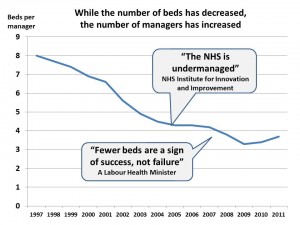
More: http://www.snouts-in-the-trough.com/archives/11538
goldfinger
- 06 Dec 2014 11:26
- 52323 of 81564
No one cares Camoronmustgo........whos Hays trying to kid again.
Still trending after 2 weeks, easily a world record.....
Trends · Change
#SmallBizSatUK
Promoted by American Express UK
#EricGarner
#GeorgeVersionYouGotItAll
#CameronMustGo
#OnTheRoadAgain1D
Luke Somers
Rolling Stone
Christmas
Yemen
Uber
Still trending after 2 weeks, easily a world record.....
Trends · Change
#SmallBizSatUK
Promoted by American Express UK
#EricGarner
#GeorgeVersionYouGotItAll
#CameronMustGo
#OnTheRoadAgain1D
Luke Somers
Rolling Stone
Christmas
Yemen
Uber
Haystack
- 06 Dec 2014 11:31
- 52324 of 81564
Common parlance generally applies to spoken English. Written English has higher standards applied to it.
| About MoneyAM | Ts and Cs | Privacy Policy | Investment Warning | Content Standards | Corporate Solutions | Advertise With Us | Site Map | © 2026 MoneyAM |
Register now for FREE
Share Prices,
Stock Quotes,
Charts, Bulletin Boards, Indices, Watchlists, Portfolio, Market News, Research
or see our Premium Services including Level 2, Terminal and much more.
 Follow us on Twitter