

| Home | Log In | Register | Our Services | My Account | Contact | Help |
You are NOT currently logged in
Register now or login to post to this thread.
THE TALK TO YOURSELF THREAD. (NOWT)
goldfinger

 - 09 Jun 2005 12:25


Thought Id start this one going because its rather dead on this board at the moment and I suppose all my usual muckers are either at the Stella tennis event watching Dim Tim (lose again) or at Henly Regatta eating cucumber sandwiches (they wish,...NOT).
Anyway please feel free to just talk to yourself blast away and let it go on any company or subject you wish. Just wish Id thought of this one before.
cheers GF.
Anyway please feel free to just talk to yourself blast away and let it go on any company or subject you wish. Just wish Id thought of this one before.
cheers GF.
dreamcatcher
- 13 Feb 2015 21:31
- 56576 of 81564
A guy walks into a bar and sits down next to a good-looking woman and starts looking at his watch. The woman notices this and asks him if his date is late. "No," he replies. "I've just got this new state-of-the-art watch and I was just about to test it."
"What does it do?"
"It uses alpha waves to telepathically talk to me."
"What's it telling you now?"
"Well, it says you're not wearing a bra or panties."
"Ha! Well it must be broken then, because I am!"
"Darn thing must be an hour fast."
"What does it do?"
"It uses alpha waves to telepathically talk to me."
"What's it telling you now?"
"Well, it says you're not wearing a bra or panties."
"Ha! Well it must be broken then, because I am!"
"Darn thing must be an hour fast."
Stan
- 13 Feb 2015 22:43
- 56577 of 81564
Post 56576.
Max who on earth is it? she was absolutely useless.
Max who on earth is it? she was absolutely useless.
ExecLine
 - 14 Feb 2015 09:33
- 56578 of 81564
- 14 Feb 2015 09:33
- 56578 of 81564

Happy Valentine's Day.
required field - 14 Feb 2015 10:50 - 56579 of 81564
That Ukraine peace treaty won't last 5mn.....
Stan
- 14 Feb 2015 11:20
- 56580 of 81564
A bit like your attention span RF, how long you been over here now?
Fred1new
- 14 Feb 2015 13:22
- 56581 of 81564
Oh, what a lovely party.
Finks blustered and ducks like Cameron.
Mind he is their beloved leader!

Finks blustered and ducks like Cameron.
Mind he is their beloved leader!
Fred1new
- 14 Feb 2015 13:26
- 56582 of 81564
I wonder if any in the cabinet have pass keys?
Also, wonder how many of the party euro-phobes have similar?
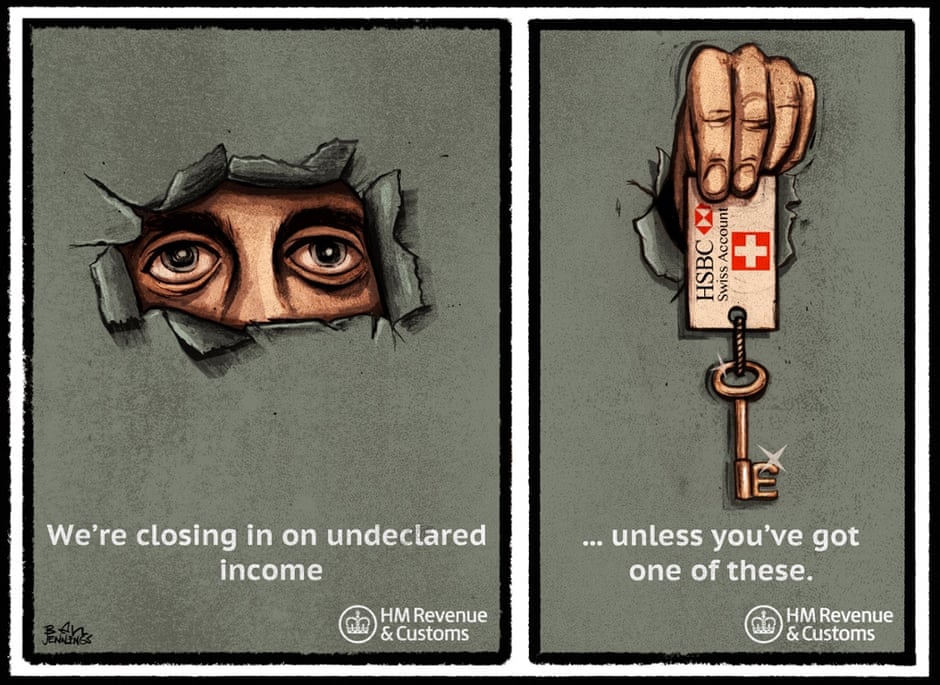
Also, wonder how many of the party euro-phobes have similar?
ExecLine
- 14 Feb 2015 15:44
- 56583 of 81564
Now that is a good cartoon.
cynic
- 14 Feb 2015 17:09
- 56584 of 81564
and unless it looks too much like hard work - eg the guy who had assets etc in uk but hadn't paid tax for 24 years
much easier to issue fines of £100/150 for marginally late returns
i also note that hmrc is effectively self-regulating when it comes to complaints - just like the police and the law society
much easier to issue fines of £100/150 for marginally late returns
i also note that hmrc is effectively self-regulating when it comes to complaints - just like the police and the law society
Chris Carson
- 14 Feb 2015 17:40
- 56585 of 81564
We need more City firms to speak out on Labour’s economics
Bank of America has so far led the way in nailing its colours to the mast
By Allister Heath
7:59PM GMT 13 Feb 2015
Follow
CommentsComments
Bland, boring and eminently binnable: that is the only way most political research from investment banks can be described. When it comes to general elections and political parties, City analysts are usually too scared to be punchy and don’t want to offend or fall out with anybody.
It may be understandable for straightforward, short-term commercial reasons - but it means that those who rely on this sort of research, including our top businesses and the financial markets, tend to have a poor understanding of domestic and global politics.
They tend to believe that the most sensible solution, at least from a technocratic perspective, will always triumph. As a result, they are often wrong-footed or at least politically tone-deaf.
Every so often, however, the City does get it right, or at least pins its colours to the mast. Many banks openly took sides during the Scottish referendum, and one or two are now breaking ranks on the general election.
The best so far is a note from Bank of America. Its authors, Gilles Moec and Sebastien Cross, believe that a Labour government would “seriously interfere with the private sector”. There would be a return to a 50pc income tax rate, a mansion tax and yet another bonus tax.
There would be endless interference in other industries, including via an energy price cap. Labour would also be likely to “massively” increase the minimum wage, they argue, taking it to the level - relative to the median wage - now seen in France.
The authors don’t really explain what this would mean, so let me do it for them: it would help some low-income workers but would almost certainly reduce opportunities for younger and lower-skilled workers. That certainly has been France’s disastrous experience.
The two economists are also right about the Blair/Brown years. As they point out, for all the pro-market, centrist rhetoric, the role of government under so-called New Labour expanded dramatically. Public spending as a share of GDP “quickly converged to the average observed in the Euro area”, they rightly observe.
Sadly, far too few observers realised this at the time. The Blair/Brown governments were able to reap the benefits of the Tory supply-side reforms of the 1980s and 1990s, as well as of the Great Moderation, otherwise known as the giant bubble of the 2000s.
The private sector was encouraged, as were foreign investors; globalisation and a buoyant private sector meant greater tax receipts for the Labour government to spend on its core supporters.
As Bank of America puts it, “under New Labour the UK was looking towards Europe on public spending, and towards the US on the way the private sector operated”.
All of this is now well and truly over: Ed Miliband’s Labour party is openly socialist and wants not just to spend more than the Tories but also to regulate and tax much more heavily.
It is worth pointing out, for the sake of fairness, that the authors aren’t keen on the Tory policy on the EU (they are wrong on this, but that is a debate for another day).
Bank of America’s take on the slow but steady deleveraging of corporate Britain is also worth highlighting.
Eurozone non-financial companies remain burdened with a heavy debt load, they point out, making them vulnerable to the stagnation that is still affecting France and Italy.
The region’s non-financial corporate debt has stabilised at 200pc of corporate output. In stark contrast, the same metric in the UK has seen a near 50-percentage point collapse to 140pc in the third quarter.
A reduction in debt combined with lower interest rates means that the corporate sector’s average net interest charge has fallen to just 2pc, a very low number that is significantly below the levels seen in the 1990s.
Families and individuals haven’t reduced their debt burden by anything like as much, unfortunately, but the UK private sector could clearly bear a moderate increase in interest rates.
But while rate rises will be manageable, a left-wing labour party, potentially propped up by the Scottish nationalists and intent on waging war on the successful and the City, will be an entirely different matter.
allister.heath@telegraph.co.uk
Bank of America has so far led the way in nailing its colours to the mast
By Allister Heath
7:59PM GMT 13 Feb 2015
Follow
CommentsComments
Bland, boring and eminently binnable: that is the only way most political research from investment banks can be described. When it comes to general elections and political parties, City analysts are usually too scared to be punchy and don’t want to offend or fall out with anybody.
It may be understandable for straightforward, short-term commercial reasons - but it means that those who rely on this sort of research, including our top businesses and the financial markets, tend to have a poor understanding of domestic and global politics.
They tend to believe that the most sensible solution, at least from a technocratic perspective, will always triumph. As a result, they are often wrong-footed or at least politically tone-deaf.
Every so often, however, the City does get it right, or at least pins its colours to the mast. Many banks openly took sides during the Scottish referendum, and one or two are now breaking ranks on the general election.
The best so far is a note from Bank of America. Its authors, Gilles Moec and Sebastien Cross, believe that a Labour government would “seriously interfere with the private sector”. There would be a return to a 50pc income tax rate, a mansion tax and yet another bonus tax.
There would be endless interference in other industries, including via an energy price cap. Labour would also be likely to “massively” increase the minimum wage, they argue, taking it to the level - relative to the median wage - now seen in France.
The authors don’t really explain what this would mean, so let me do it for them: it would help some low-income workers but would almost certainly reduce opportunities for younger and lower-skilled workers. That certainly has been France’s disastrous experience.
The two economists are also right about the Blair/Brown years. As they point out, for all the pro-market, centrist rhetoric, the role of government under so-called New Labour expanded dramatically. Public spending as a share of GDP “quickly converged to the average observed in the Euro area”, they rightly observe.
Sadly, far too few observers realised this at the time. The Blair/Brown governments were able to reap the benefits of the Tory supply-side reforms of the 1980s and 1990s, as well as of the Great Moderation, otherwise known as the giant bubble of the 2000s.
The private sector was encouraged, as were foreign investors; globalisation and a buoyant private sector meant greater tax receipts for the Labour government to spend on its core supporters.
As Bank of America puts it, “under New Labour the UK was looking towards Europe on public spending, and towards the US on the way the private sector operated”.
All of this is now well and truly over: Ed Miliband’s Labour party is openly socialist and wants not just to spend more than the Tories but also to regulate and tax much more heavily.
It is worth pointing out, for the sake of fairness, that the authors aren’t keen on the Tory policy on the EU (they are wrong on this, but that is a debate for another day).
Bank of America’s take on the slow but steady deleveraging of corporate Britain is also worth highlighting.
Eurozone non-financial companies remain burdened with a heavy debt load, they point out, making them vulnerable to the stagnation that is still affecting France and Italy.
The region’s non-financial corporate debt has stabilised at 200pc of corporate output. In stark contrast, the same metric in the UK has seen a near 50-percentage point collapse to 140pc in the third quarter.
A reduction in debt combined with lower interest rates means that the corporate sector’s average net interest charge has fallen to just 2pc, a very low number that is significantly below the levels seen in the 1990s.
Families and individuals haven’t reduced their debt burden by anything like as much, unfortunately, but the UK private sector could clearly bear a moderate increase in interest rates.
But while rate rises will be manageable, a left-wing labour party, potentially propped up by the Scottish nationalists and intent on waging war on the successful and the City, will be an entirely different matter.
allister.heath@telegraph.co.uk
cynic
- 14 Feb 2015 17:47
- 56586 of 81564
an interesting article
just a pity that it has been put out by the telegraph rather than say the guardian
just a pity that it has been put out by the telegraph rather than say the guardian
Chris Carson
- 14 Feb 2015 17:49
- 56587 of 81564
With his distracting assault on tax avoidance, Miliband is peddling class-war populism
Telegraph View: If every taxpayer were free to set their own rate of income tax, how many, really, would set it as low as possible?
By Telegraph View
6:20AM GMT 14 Feb 2015
CommentsComments
Labour wants to fight this election from the back of a populist bandwagon. This week, we have seen the consequences for our politics. One has been humour. Whoever came up with the idea of sending the Labour women’s campaign around the country in a pink bus deserves credit for brightening up this dull February. As is traditional among the Left, the party immediately split over the issue: some insisted the van was in fact magenta while others called it cerise. For the Tories it was a golden opportunity, a chance to expose Labour’s special-interest group approach to politics as anachronistic and patronising.
They found it harder, however, to fight back on the subject of tax. At a time when Labour should be laying out its plan for the economy, Ed Miliband managed to squeeze a few headlines out of tax avoidance instead.
In the debate that followed, a critical distinction was missed. Tax avoidance is perfectly legal. Lord Fink, a Tory peer, may well have transferred shares into family trusts while working in Switzerland – but he was within his right to do so. Ethically, it was no different to someone investing in an Isa or buying something duty-free while abroad. Or to gaining a deed of variation on a house after someone’s death to avoid paying inheritance tax on it, which is what the Miliband family did.
Tax avoidance has been made possible by successive governments in order to draw more wealth into the country or to encourage certain kinds of savings and investment. It is up to the individual involved to decide whether or not they are comfortable with what they do with their own money.
Certainly, no one should feel they are under any obligation voluntarily to pay more to the state than they absolutely have to. If every taxpayer were free to set their own rate of income tax, how many would set it as low as possible – because they believe that they have a better idea of how to spend their money than Whitehall bureaucrats do?
There is certainly a huge difference between tax avoidance and tax evasion. The former is legal, the latter is not. And yet, depressingly, Mr Miliband seemed to conflate the two. This, of course, is exactly how a populist agenda operates. The demagogue identifies a “culprit” for all of society’s ills, applies fanciful charges about who they are and what they do, and whips up outrage over very little at all. The result is that politics is not only debased but made simplistic. The world ceases to be a complex and nuanced collection of interrelated problems that have to be addressed with care and reason. It becomes, instead, a children’s crusade.
Populism rarely does anyone any good. For instance, when Mr Miliband went after the energy companies with a pledge to freeze bills it seemed as if he was playing the consumer’s champion. On the contrary, it is suspected that energy companies have been reluctant to lower prices despite falling energy costs precisely because they are frightened that Mr Miliband will attempt to fix their tariffs should he win the general election.
Labour should not be able to get away with its class-war populism. But, in the tax fight, the Tories have failed to respond confidently and aggressively enough and so surrendered the field of battle. Part of the problem is that they, too, have indulged in anti-avoidance rhetoric, as though avoidance is borderline illegal. Yet isn’t the Conservative Party meant to be all about low taxes? And a simpler, cheaper and more transparent tax system would surely reduce any need for clever accounting in the first place.
David Cameron has to avoid allowing Mr Miliband to set the tone of this campaign, by pushing back harder when the Labour leader next raises some silly socialist mantra in place of serious policy. The Tory leader should demand that Mr Miliband, instead of moaning about the world, tell us what he would do actually to improve it.
There is certainly a huge difference between tax avoidance and tax evasion. The former is legal, the latter is not. And yet, depressingly, Mr Miliband seemed to conflate the two. This, of course, is exactly how a populist agenda operates. The demagogue identifies a “culprit” for all of society’s ills, applies fanciful charges about who they are and what they do, and whips up outrage over very little at all. The result is that politics is not only debased but made simplistic. The world ceases to be a complex and nuanced collection of interrelated problems that have to be addressed with care and reason. It becomes, instead, a children’s crusade.
Populism rarely does anyone any good. For instance, when Mr Miliband went after the energy companies with a pledge to freeze bills it seemed as if he was playing the consumer’s champion. On the contrary, it is suspected that energy companies have been reluctant to lower prices despite falling energy costs precisely because they are frightened that Mr Miliband will attempt to fix their tariffs should he win the general election.
Labour should not be able to get away with its class-war populism. But, in the tax fight, the Tories have failed to respond confidently and aggressively enough and so surrendered the field of battle. Part of the problem is that they, too, have indulged in anti-avoidance rhetoric, as though avoidance is borderline illegal. Yet isn’t the Conservative Party meant to be all about low taxes? And a simpler, cheaper and more transparent tax system would surely reduce any need for clever accounting in the first place.
David Cameron has to avoid allowing Mr Miliband to set the tone of this campaign, by pushing back harder when the Labour leader next raises some silly socialist mantra in place of serious policy. The Tory leader should demand that Mr Miliband, instead of moaning about the world, tell us what he would do actually to improve it.
Telegraph View: If every taxpayer were free to set their own rate of income tax, how many, really, would set it as low as possible?
By Telegraph View
6:20AM GMT 14 Feb 2015
CommentsComments
Labour wants to fight this election from the back of a populist bandwagon. This week, we have seen the consequences for our politics. One has been humour. Whoever came up with the idea of sending the Labour women’s campaign around the country in a pink bus deserves credit for brightening up this dull February. As is traditional among the Left, the party immediately split over the issue: some insisted the van was in fact magenta while others called it cerise. For the Tories it was a golden opportunity, a chance to expose Labour’s special-interest group approach to politics as anachronistic and patronising.
They found it harder, however, to fight back on the subject of tax. At a time when Labour should be laying out its plan for the economy, Ed Miliband managed to squeeze a few headlines out of tax avoidance instead.
In the debate that followed, a critical distinction was missed. Tax avoidance is perfectly legal. Lord Fink, a Tory peer, may well have transferred shares into family trusts while working in Switzerland – but he was within his right to do so. Ethically, it was no different to someone investing in an Isa or buying something duty-free while abroad. Or to gaining a deed of variation on a house after someone’s death to avoid paying inheritance tax on it, which is what the Miliband family did.
Tax avoidance has been made possible by successive governments in order to draw more wealth into the country or to encourage certain kinds of savings and investment. It is up to the individual involved to decide whether or not they are comfortable with what they do with their own money.
Certainly, no one should feel they are under any obligation voluntarily to pay more to the state than they absolutely have to. If every taxpayer were free to set their own rate of income tax, how many would set it as low as possible – because they believe that they have a better idea of how to spend their money than Whitehall bureaucrats do?
There is certainly a huge difference between tax avoidance and tax evasion. The former is legal, the latter is not. And yet, depressingly, Mr Miliband seemed to conflate the two. This, of course, is exactly how a populist agenda operates. The demagogue identifies a “culprit” for all of society’s ills, applies fanciful charges about who they are and what they do, and whips up outrage over very little at all. The result is that politics is not only debased but made simplistic. The world ceases to be a complex and nuanced collection of interrelated problems that have to be addressed with care and reason. It becomes, instead, a children’s crusade.
Populism rarely does anyone any good. For instance, when Mr Miliband went after the energy companies with a pledge to freeze bills it seemed as if he was playing the consumer’s champion. On the contrary, it is suspected that energy companies have been reluctant to lower prices despite falling energy costs precisely because they are frightened that Mr Miliband will attempt to fix their tariffs should he win the general election.
Labour should not be able to get away with its class-war populism. But, in the tax fight, the Tories have failed to respond confidently and aggressively enough and so surrendered the field of battle. Part of the problem is that they, too, have indulged in anti-avoidance rhetoric, as though avoidance is borderline illegal. Yet isn’t the Conservative Party meant to be all about low taxes? And a simpler, cheaper and more transparent tax system would surely reduce any need for clever accounting in the first place.
David Cameron has to avoid allowing Mr Miliband to set the tone of this campaign, by pushing back harder when the Labour leader next raises some silly socialist mantra in place of serious policy. The Tory leader should demand that Mr Miliband, instead of moaning about the world, tell us what he would do actually to improve it.
There is certainly a huge difference between tax avoidance and tax evasion. The former is legal, the latter is not. And yet, depressingly, Mr Miliband seemed to conflate the two. This, of course, is exactly how a populist agenda operates. The demagogue identifies a “culprit” for all of society’s ills, applies fanciful charges about who they are and what they do, and whips up outrage over very little at all. The result is that politics is not only debased but made simplistic. The world ceases to be a complex and nuanced collection of interrelated problems that have to be addressed with care and reason. It becomes, instead, a children’s crusade.
Populism rarely does anyone any good. For instance, when Mr Miliband went after the energy companies with a pledge to freeze bills it seemed as if he was playing the consumer’s champion. On the contrary, it is suspected that energy companies have been reluctant to lower prices despite falling energy costs precisely because they are frightened that Mr Miliband will attempt to fix their tariffs should he win the general election.
Labour should not be able to get away with its class-war populism. But, in the tax fight, the Tories have failed to respond confidently and aggressively enough and so surrendered the field of battle. Part of the problem is that they, too, have indulged in anti-avoidance rhetoric, as though avoidance is borderline illegal. Yet isn’t the Conservative Party meant to be all about low taxes? And a simpler, cheaper and more transparent tax system would surely reduce any need for clever accounting in the first place.
David Cameron has to avoid allowing Mr Miliband to set the tone of this campaign, by pushing back harder when the Labour leader next raises some silly socialist mantra in place of serious policy. The Tory leader should demand that Mr Miliband, instead of moaning about the world, tell us what he would do actually to improve it.
cynic
- 14 Feb 2015 18:05
- 56588 of 81564
but there is often or even usually not a great deal of difference between "aggressive avoidance" and evasion
however, HMRC's attack on the film investment vehicle smacks of spite and an attempt to frighten investors into paying up in all sorts of subtle and not so subtle ways
as far as i can see, as an ignorant and naive outsider, the scheme (concept) was approved and indeed encouraged by whichever gov't a good number of years ago .... it's not even as if this particular company was investing in flakey, no-hope films and has a number of successes under its belt
like i said, this action smacks of spite and, unless something comes to light which is not apparent to the ordinary mortal, i very much hope HMRC loses and has to pay costs
however, HMRC's attack on the film investment vehicle smacks of spite and an attempt to frighten investors into paying up in all sorts of subtle and not so subtle ways
as far as i can see, as an ignorant and naive outsider, the scheme (concept) was approved and indeed encouraged by whichever gov't a good number of years ago .... it's not even as if this particular company was investing in flakey, no-hope films and has a number of successes under its belt
like i said, this action smacks of spite and, unless something comes to light which is not apparent to the ordinary mortal, i very much hope HMRC loses and has to pay costs
Chris Carson
- 14 Feb 2015 18:12
- 56589 of 81564
Nicola Sturgeon's price of SNP coalition: Next UK government must spend £180 billion to end austerity
20:37, 11 February 2015
By Torcuil Crichton
HAVING already said she will not prop up a Tory government, Nicola Sturgeon will give Ed Miliband SNP backing if he agrees to end austerity.
NICOLA STURGEON has demanded that the next Westminster government spends £180 billion more to end austerity as the price for SNP supporting Ed Miliband’s Labour party .
In a speech at University College London the First Minister said that the cuts planned by the next Tory government would be “morally unjustifiable and economically unsustainable”.
Sturgeon claimed the Coalition’s austerity drive has “categorically and comprehensively failed” and must be replaced by an approach that put happiness and health at the centre of economic policy.
In an attempt to pitch the SNP as the anti-austerity alternative to Labour Sturgeon said Labour government would have to abandon “failed” austerity policies to win the support of SNP MPs after the election .
She said her party would require Ed Miliband to adopt a “more moderate” approach to deficit reduction if he wanted the backing of SNP MPs in a hung parliament.
She suggested an alternative approach for the next parliament which would see £180 billion extra spent on public services by 2020.
Labour has committed to getting the current budget into surplus and national debt falling as soon as possible within the next parliament.
Independent experts estimate that Labour would cut £28 billion less than the £37.6 billion of cuts George Osborne plans in the next parliament.
But Sturgeon said she wanted to break the “cosy consensus” in favour of austerity at Westminster.
Setting out her demands she said : “I would certainly hope if there was a Labour government and it was dependent on SNP support - which is the most popular preferred outcome of people in Scotland - then I would hope we could persuade and influence a Labour government to take a more moderate approach to deficit reduction.”
Instead of paying off the national deficit Sturgeon plans to increase departmental spending by half a per cent each year, totalling £180 billion of spending by 2020. She estimated that Scotland’s share of the increase would be about £14 billion and did not put a timeframe on paying off the debt or announce any taxes to offset the spending.
She said: “Debt and deficit would still be falling as a percentage of GDP over these years but we would free up something in the region of £180 billion over the UK to invest in growing the economy”.
She added: “I’m not denying that it is important to get the deficit under control and to start reducing the debt. What I’m arguing is that to look at deficit in isolation is far too narrow, because although that’s important, it’s also important to tackle inequality and protect public services.”
A Liberal Democrat spokeswoman for Scottish Secretary Alistair Carmichael hit out at Ms Sturgeon, saying: “All the bombast in the world will not change the reality that the UK Government’s economic strategy is working.
“If the First Minister has something serious to say on this subject matter, now was the time to say it.
“By how much would she raise taxes, and by how much would she cut spending in the next parliament?
“Or does she want to go back to the days of high borrowing, high mortgage costs, and an ever-bigger debt problem for the next generation to pay off
Labour’s Shadow Scottish Secretary, Margaret Curran MP, said: “With Scotland’s A&E in crisis, Nicola Sturgeon thought making a big political speech in London was the best use of her time.
“Every vote for the SNP in May is another boost for David Cameron, and makes it more likely the Tories will be the largest party across the UK after the election.
“Labour has a fair plan to balance the books but the SNP have stood against Labour’s progressive policies, such as the 50p tax for top earners.”
Conservative Party chairman Grant Shapps said: “Now we know the price that the SNP would charge to support Ed Miliband if he became prime minister - a bill of £180 billion paid for by hard-working taxpayers.
“More wasteful spending, paid for by borrowing and higher taxes, is a recipe for economic chaos.”
20:37, 11 February 2015
By Torcuil Crichton
HAVING already said she will not prop up a Tory government, Nicola Sturgeon will give Ed Miliband SNP backing if he agrees to end austerity.
NICOLA STURGEON has demanded that the next Westminster government spends £180 billion more to end austerity as the price for SNP supporting Ed Miliband’s Labour party .
In a speech at University College London the First Minister said that the cuts planned by the next Tory government would be “morally unjustifiable and economically unsustainable”.
Sturgeon claimed the Coalition’s austerity drive has “categorically and comprehensively failed” and must be replaced by an approach that put happiness and health at the centre of economic policy.
In an attempt to pitch the SNP as the anti-austerity alternative to Labour Sturgeon said Labour government would have to abandon “failed” austerity policies to win the support of SNP MPs after the election .
She said her party would require Ed Miliband to adopt a “more moderate” approach to deficit reduction if he wanted the backing of SNP MPs in a hung parliament.
She suggested an alternative approach for the next parliament which would see £180 billion extra spent on public services by 2020.
Labour has committed to getting the current budget into surplus and national debt falling as soon as possible within the next parliament.
Independent experts estimate that Labour would cut £28 billion less than the £37.6 billion of cuts George Osborne plans in the next parliament.
But Sturgeon said she wanted to break the “cosy consensus” in favour of austerity at Westminster.
Setting out her demands she said : “I would certainly hope if there was a Labour government and it was dependent on SNP support - which is the most popular preferred outcome of people in Scotland - then I would hope we could persuade and influence a Labour government to take a more moderate approach to deficit reduction.”
Instead of paying off the national deficit Sturgeon plans to increase departmental spending by half a per cent each year, totalling £180 billion of spending by 2020. She estimated that Scotland’s share of the increase would be about £14 billion and did not put a timeframe on paying off the debt or announce any taxes to offset the spending.
She said: “Debt and deficit would still be falling as a percentage of GDP over these years but we would free up something in the region of £180 billion over the UK to invest in growing the economy”.
She added: “I’m not denying that it is important to get the deficit under control and to start reducing the debt. What I’m arguing is that to look at deficit in isolation is far too narrow, because although that’s important, it’s also important to tackle inequality and protect public services.”
A Liberal Democrat spokeswoman for Scottish Secretary Alistair Carmichael hit out at Ms Sturgeon, saying: “All the bombast in the world will not change the reality that the UK Government’s economic strategy is working.
“If the First Minister has something serious to say on this subject matter, now was the time to say it.
“By how much would she raise taxes, and by how much would she cut spending in the next parliament?
“Or does she want to go back to the days of high borrowing, high mortgage costs, and an ever-bigger debt problem for the next generation to pay off
Labour’s Shadow Scottish Secretary, Margaret Curran MP, said: “With Scotland’s A&E in crisis, Nicola Sturgeon thought making a big political speech in London was the best use of her time.
“Every vote for the SNP in May is another boost for David Cameron, and makes it more likely the Tories will be the largest party across the UK after the election.
“Labour has a fair plan to balance the books but the SNP have stood against Labour’s progressive policies, such as the 50p tax for top earners.”
Conservative Party chairman Grant Shapps said: “Now we know the price that the SNP would charge to support Ed Miliband if he became prime minister - a bill of £180 billion paid for by hard-working taxpayers.
“More wasteful spending, paid for by borrowing and higher taxes, is a recipe for economic chaos.”
Chris Carson
- 14 Feb 2015 18:25
- 56590 of 81564
Red Ed the tax avoider: Property merry-go-rounds and how the Milibands changed a will, cutting their inheritance tax liability
Miliband family used a a tax-avoidance scheme follow their father's death
The family home was split between Ed and David and their mother Marion
They used a controversial tax loophole called a 'deed of variation'
By Claire Duffin and Sam Greenhill and Tamara Cohen for the Daily Mail
Published: 22:48, 12 February 2015 | Updated: 01:08, 13 February 2015
Read more: http://www.dailymail.co.uk/news/article-2951553/Red-Ed-tax-avoider-Property-merry-rounds-Milibands-changed-cutting-inheritance-tax-liability.html#ixzz3RkG3MECE
Follow us: @MailOnline on Twitter | DailyMail on Facebook
Ed Miliband was forced to defend his own tax affairs yesterday after being accused of benefiting from a controversial tax-avoidance scheme.
The Labour leader has spent the week lambasting ‘tax dodgers’ in the wake of the HSBC scandal, but he now faces questions over his own family’s practices.
Mr Miliband and his family used a ‘deed of variation’ to divide the ownership of the family home in North London.
These legal documents – which change the terms of someone’s will after they have died – are used almost exclusively to reduce death duty bills in a legal form of tax avoidance.
Deeds of variation were described as ‘tax abuse’ by Gordon Brown when he was Chancellor.
Last night, Mr Miliband was urged to ‘come clean’ and answer ‘serious questions’ over the deal, which could have potentially saved the Labour leader and his brother David thousands of pounds. Both brothers deny any wrongdoing and say they have paid all the tax owed.
But the row is a major embarrassment to Ed Miliband in a week in which he has attacked the Conservatives over tax avoidance as the row over the HSBC tax scandal deepened.
At an event at his old school, Haverstock School in North London, Mr Miliband was forced to defend his own complex arrangements. Asked if he thought it was ‘dodgy to use what’s called in the trade a deed of variation, to leave your house to your children that avoids tax’, the Labour leader said: ‘The deed of variation issue is something directed at me personally, it’s something that my mother did 20 years ago, that was a decision she made.
Share this article
Read more: http://www.dailymail.co.uk/news/article-2951553/Red-Ed-tax-avoider-Property-merry-rounds-Milibands-changed-cutting-inheritance-tax-liability.html#ixzz3RkGN9quf
Follow us: @MailOnline on Twitter | DailyMail on Facebook
Miliband family used a a tax-avoidance scheme follow their father's death
The family home was split between Ed and David and their mother Marion
They used a controversial tax loophole called a 'deed of variation'
By Claire Duffin and Sam Greenhill and Tamara Cohen for the Daily Mail
Published: 22:48, 12 February 2015 | Updated: 01:08, 13 February 2015
Read more: http://www.dailymail.co.uk/news/article-2951553/Red-Ed-tax-avoider-Property-merry-rounds-Milibands-changed-cutting-inheritance-tax-liability.html#ixzz3RkG3MECE
Follow us: @MailOnline on Twitter | DailyMail on Facebook
Ed Miliband was forced to defend his own tax affairs yesterday after being accused of benefiting from a controversial tax-avoidance scheme.
The Labour leader has spent the week lambasting ‘tax dodgers’ in the wake of the HSBC scandal, but he now faces questions over his own family’s practices.
Mr Miliband and his family used a ‘deed of variation’ to divide the ownership of the family home in North London.
These legal documents – which change the terms of someone’s will after they have died – are used almost exclusively to reduce death duty bills in a legal form of tax avoidance.
Deeds of variation were described as ‘tax abuse’ by Gordon Brown when he was Chancellor.
Last night, Mr Miliband was urged to ‘come clean’ and answer ‘serious questions’ over the deal, which could have potentially saved the Labour leader and his brother David thousands of pounds. Both brothers deny any wrongdoing and say they have paid all the tax owed.
But the row is a major embarrassment to Ed Miliband in a week in which he has attacked the Conservatives over tax avoidance as the row over the HSBC tax scandal deepened.
At an event at his old school, Haverstock School in North London, Mr Miliband was forced to defend his own complex arrangements. Asked if he thought it was ‘dodgy to use what’s called in the trade a deed of variation, to leave your house to your children that avoids tax’, the Labour leader said: ‘The deed of variation issue is something directed at me personally, it’s something that my mother did 20 years ago, that was a decision she made.
Share this article
Read more: http://www.dailymail.co.uk/news/article-2951553/Red-Ed-tax-avoider-Property-merry-rounds-Milibands-changed-cutting-inheritance-tax-liability.html#ixzz3RkGN9quf
Follow us: @MailOnline on Twitter | DailyMail on Facebook
Stan
- 14 Feb 2015 18:27
- 56591 of 81564
Ex-HSBC head Lord Green (and "Con" Party oink) has stepped down from a leading financial services body, amid claims HSBC may have enabled tax avoidance when he was in charge.
http://www.bbc.co.uk/news/business-31470627
http://www.bbc.co.uk/news/business-31470627
Chris Carson
- 14 Feb 2015 18:28
- 56592 of 81564
OOOpps missed a bit :-
‘Let me just say this: I paid tax as a result of that transaction, I’ve avoided no tax in that. No doubt the Conservative Party wants to smear mud today but frankly it’s not going to work. The story has been written before and I have paid tax on that money.’
After the death of Ralph Miliband in 1994, his will was changed to make Ed, David and their mother Marion part-owners of the family home. It meant that, in the event of their mother’s death, part of the estate would already be in the hands of her sons. This would mean inheritance tax would be levied on only 60 per cent of the value of the home, reducing the bill.
In 1994, Mr Brown included the scheme among ‘tax abuses’ which he promised to stop if Labour was elected.
Read more: http://www.dailymail.co.uk/news/article-2951553/Red-Ed-tax-avoider-Property-merry-rounds-Milibands-changed-cutting-inheritance-tax-liability.html#ixzz3RkHTOaSQ
Follow us: @MailOnline on Twitter | DailyMail on Facebook
‘Let me just say this: I paid tax as a result of that transaction, I’ve avoided no tax in that. No doubt the Conservative Party wants to smear mud today but frankly it’s not going to work. The story has been written before and I have paid tax on that money.’
After the death of Ralph Miliband in 1994, his will was changed to make Ed, David and their mother Marion part-owners of the family home. It meant that, in the event of their mother’s death, part of the estate would already be in the hands of her sons. This would mean inheritance tax would be levied on only 60 per cent of the value of the home, reducing the bill.
In 1994, Mr Brown included the scheme among ‘tax abuses’ which he promised to stop if Labour was elected.
Read more: http://www.dailymail.co.uk/news/article-2951553/Red-Ed-tax-avoider-Property-merry-rounds-Milibands-changed-cutting-inheritance-tax-liability.html#ixzz3RkHTOaSQ
Follow us: @MailOnline on Twitter | DailyMail on Facebook
Chris Carson
- 14 Feb 2015 18:35
- 56593 of 81564
The Labour party is weighed down with hypocrisy. It's a case of do what I say not what I do with them.
ReplyNew
0
2Click to rate
.
UK Rising, Definitely Here, about 6 hours ago
Red Ed realises it may have not been so clever to become a leader of a political party, after all . .
ReplyNew
5
13Click to rate
.
Catrin, Cardiff, United Kingdom, about 7 hours ago
We have a saying in Welsh which, roughly translated, says "You need a clean beak to sing clearly!" Little Mili is learning the hard way! Who's the "dodgy one" now then!
ReplyNew
5
17Click to rate
.
Nick, London, about 8 hours ago
Milliband is stating that as he paid CGT when he sold his share then he has paid all the tax that was due. This is a fact but it is only a fact due to the family avoiding the inheritance tax that would have been due if they had not used a deed of variation. This was not a passive act, they would have taken advice and engaged a lawyer to facilitate this. Tony Benn did a similar thing, it is blatant tax avoidance.
ReplyNew
6
25Click to rate
.
commonsense or what, salzburg, Austria, about 9 hours ago
I think you will find that the suggestion that the rich hide their money is what angers the general public!! The fact is that avoiding inheritance tax on monies that have already had their taxes paid on, aren't really an issue with most people........if you are hiding money from the taxman that UK taxes should be paid on as earnings, that's what the issue is!!!
ReplyNew
5
13Click to rate
.
Heatherbelle, Epsom, about 9 hours ago
Ralph M had a lot of money and property for a Marxist - I thought they did not believe in owning anything. Clearly one rule for me and another for the rest of you!
ReplyNew
4
25Click to rate
.
intj, lol, United Kingdom, about 16 hours ago
Clearly everyone is politics does this, so what the big deal??
ReplyNew
16
4Click to rate
.
Chris Jones, Cardiff, about 17 hours ago
I'm no Millibland supporter but this is a bit of a non story
ReplyNew
25
11Click to rate
.
Alvelon, Melbourne Australia, Australia, about 17 hours ago
??? ONE LAW FOR THEM ANOTHER FOR EVERY ONE ELSE..DO WHAT WE SAY """ NOT """ WHAT WE DO???...
ReplyNew
7
23Click to rate
.
Joanne.1, Clydebank, United Kingdom, about 18 hours ago
OMG there all at it!! What chance have we got! NONE!!!!
ReplyNew
6
22Click to rate
.
Steve, Watford, about 18 hours ago
People in glass houses should not throw stones!
ReplyNew
6
.
Read more: http://www.dailymail.co.uk/news/article-2951553/Red-Ed-tax-avoider-Property-merry-rounds-Milibands-changed-cutting-inheritance-tax-liability.html#ixzz3RkJQUi4n
Follow us: @MailOnline on Twitter | DailyMail on Facebook
cynic
- 14 Feb 2015 18:39
- 56594 of 81564
They used a controversial tax loophole called a 'deed of variation'
sorry, but this isn't remotely controversial, any more than is setting up a trust fund to lessen the impact of IHT (lord fink)
sorry, but this isn't remotely controversial, any more than is setting up a trust fund to lessen the impact of IHT (lord fink)
Chris Carson
- 14 Feb 2015 18:47
- 56595 of 81564
Show us the proof you haven't tried to avoid tax for years, MPs tell Ed Miliband
MPs want Ed Miliband to explain his family's complicated property history
Mr Miliband and his now wife both sold their separate flats in 2008/9
Mr Miliband and Justine did not pay any capital gains tax on either deal
He sold his flat five months after they bought their £1.6m family home
By Paul Bentley and Jason Groves for the Daily Mail
Published: 00:56, 14 February 2015 | Updated: 00:56, 14 February 2015
Read more: http://www.dailymail.co.uk/news/article-2953132/Show-proof-haven-t-tried-avoid-tax-years-MPs-tell-Ed-Miliband.html#ixzz3RkKfnmkA
Follow us: @MailOnline on Twitter | DailyMail on Facebook
Ed Miliband faced calls last night to publish full details of his tax affairs.
The Labour leader’s family affairs have come under the spotlight after he spent much of last week condemning ‘tax dodgers’.
The Daily Mail told yesterday how he and his family used a ‘deed of variation’ to divide ownership of their family home – which experts say is used almost exclusively to reduce death duty bills.
It has now emerged that Mr Miliband and his partner Justine Thornton – his wife since 2011 – both sold separate flats they owned in upmarket North London in 2008 and 2009 without paying capital gains tax.
Mr Miliband sold his £740,000 apartment five months after the purchase of their family home for £1.6million and six months after the couple had their first son. But he claimed that the flat was his ‘primary residence’. Saying the flats were their primary homes enabled them both to save tens of thousands of pounds in capital gains tax.
Labour yesterday insisted any suggestion of tax avoidance is a ‘straightforward lie’. And today Mr Miliband is expected to say he is ‘not backing down’ in his campaign against tax avoidance, despite the controversy about his own affairs. In a speech to the Welsh Labour conference he will accuse ministers of ‘turning a blind eye’ to tax avoidance.
But the Conservatives last night stepped up pressure on him to publish the details of his tax affairs. Mr Miliband managed to avoid paying capital gains tax on the sale of the flat he owned before moving into the townhouse where his family now live.
Mr Miliband met Miss Thornton in 2002. In the following years, they owned separate flats. He originally had an apartment on Chalcot Square but sold this for £342,000 in 2005, before buying a flat on nearby Chalcot Road about a year later for £648,500.
It is not known where Mr Miliband, then 36, lived in the intervening months.
But Miss Thornton owned a flat in Maida Vale. This was sold for £680,000 in March 2008, with Miss Thornton paying no capital gains tax. A Labour spokesman has said this is because it was her primary residence.
Yet when Mr Miliband sold his flat on Chalcot Road for £740,000 in December 2009, he did not pay capital gains tax either, as he claimed this was his primary residence. This is despite the fact that five months earlier Miss Thornton – an environmental law expert on around £200,000 a year – had bought for £1.6 million the family home near Hampstead Heath where they now live. She had also given birth to their first son Daniel earlier that year, in June 2009.
They were able to avoid the tax in part because they were unmarried. Mr Miliband and Miss Thornton became engaged in 2010 and married a year later.
Miss Thornton, however, is still registered as the sole owner of their four-bedroom Victorian property for reasons that are unclear.
Tory MP Andrew Bridgen said Mr Miliband’s family’s deed of variation was clearly designed to cut inheritance tax and condemned the Labour leader’s denial of this. He added: ‘Ed Miliband should now publish this deed of variation that he is currently hiding away and be as open about his own tax affairs as he demands others to be. The public can then judge for themselves.’
The former Director of Public Prosecutions Sir Keir Starmer, now a Labour parliamentary candidate, added: ‘People will take different views on deeds of variation and all forms of tax relief is, in one sense, intended to reduce tax. People have a strong feeling that sophisticated tax avoidance is morally wrong.’
Mr Miliband has spent the week lambasting tax dodgers in the wake of allegations that HSBC’s Swiss private bank helped clients evade tax. He had gone on the attack over allegations of tax avoidance activities linked to some wealthy supporters of the Conservative Party, telling the House of Commons that David Cameron was ‘a dodgy Prime Minister surrounded by dodgy donors’.
Mr Miliband was subsequently forced to defend his own tax affairs. Asked by BBC political editor Nick Robinson if he thought it was ‘dodgy’ to use a deed of variation and leave your house to your children to avoid tax, the Labour leader said: ‘The deed of variation... is something my mother did 20 years ago. I paid tax as a result of that transaction, I’ve avoided no tax in that.’
Mr Miliband’s father’s will was changed by deed of variation after his death in 1994 so Ed, David and their mother Marion all became part-owners of their £2.4million family home.
This meant that if she then died, the sons would already own part of the property so inheritance tax would be applicable to less of the home than were she to have owned it outright.
Mr Miliband has, however, since sold his share to his brother, who bought the remainder from his mother, who is still alive.
He also claims to have paid capital gains tax at 40 per cent on the sale and denied he used the arrangement to avoid tax. A spokesman said: ‘It can’t be tax avoidance if no tax was avoided.’
Last night a spokesman for Mr Miliband insisted the couple only moved in together in 2008 – six years into their relationship and when Mr Miliband was 38 and Miss Thornton 37. ‘As HMRC guidance makes clear, primary residence relief continues for three years after you leave your home. The final 36 months of ownership always qualify for relief as long as the dwelling house has been your only or main residence at some point.’
MPs want Ed Miliband to explain his family's complicated property history
Mr Miliband and his now wife both sold their separate flats in 2008/9
Mr Miliband and Justine did not pay any capital gains tax on either deal
He sold his flat five months after they bought their £1.6m family home
By Paul Bentley and Jason Groves for the Daily Mail
Published: 00:56, 14 February 2015 | Updated: 00:56, 14 February 2015
Read more: http://www.dailymail.co.uk/news/article-2953132/Show-proof-haven-t-tried-avoid-tax-years-MPs-tell-Ed-Miliband.html#ixzz3RkKfnmkA
Follow us: @MailOnline on Twitter | DailyMail on Facebook
Ed Miliband faced calls last night to publish full details of his tax affairs.
The Labour leader’s family affairs have come under the spotlight after he spent much of last week condemning ‘tax dodgers’.
The Daily Mail told yesterday how he and his family used a ‘deed of variation’ to divide ownership of their family home – which experts say is used almost exclusively to reduce death duty bills.
It has now emerged that Mr Miliband and his partner Justine Thornton – his wife since 2011 – both sold separate flats they owned in upmarket North London in 2008 and 2009 without paying capital gains tax.
Mr Miliband sold his £740,000 apartment five months after the purchase of their family home for £1.6million and six months after the couple had their first son. But he claimed that the flat was his ‘primary residence’. Saying the flats were their primary homes enabled them both to save tens of thousands of pounds in capital gains tax.
Labour yesterday insisted any suggestion of tax avoidance is a ‘straightforward lie’. And today Mr Miliband is expected to say he is ‘not backing down’ in his campaign against tax avoidance, despite the controversy about his own affairs. In a speech to the Welsh Labour conference he will accuse ministers of ‘turning a blind eye’ to tax avoidance.
But the Conservatives last night stepped up pressure on him to publish the details of his tax affairs. Mr Miliband managed to avoid paying capital gains tax on the sale of the flat he owned before moving into the townhouse where his family now live.
Mr Miliband met Miss Thornton in 2002. In the following years, they owned separate flats. He originally had an apartment on Chalcot Square but sold this for £342,000 in 2005, before buying a flat on nearby Chalcot Road about a year later for £648,500.
It is not known where Mr Miliband, then 36, lived in the intervening months.
But Miss Thornton owned a flat in Maida Vale. This was sold for £680,000 in March 2008, with Miss Thornton paying no capital gains tax. A Labour spokesman has said this is because it was her primary residence.
Yet when Mr Miliband sold his flat on Chalcot Road for £740,000 in December 2009, he did not pay capital gains tax either, as he claimed this was his primary residence. This is despite the fact that five months earlier Miss Thornton – an environmental law expert on around £200,000 a year – had bought for £1.6 million the family home near Hampstead Heath where they now live. She had also given birth to their first son Daniel earlier that year, in June 2009.
They were able to avoid the tax in part because they were unmarried. Mr Miliband and Miss Thornton became engaged in 2010 and married a year later.
Miss Thornton, however, is still registered as the sole owner of their four-bedroom Victorian property for reasons that are unclear.
Tory MP Andrew Bridgen said Mr Miliband’s family’s deed of variation was clearly designed to cut inheritance tax and condemned the Labour leader’s denial of this. He added: ‘Ed Miliband should now publish this deed of variation that he is currently hiding away and be as open about his own tax affairs as he demands others to be. The public can then judge for themselves.’
The former Director of Public Prosecutions Sir Keir Starmer, now a Labour parliamentary candidate, added: ‘People will take different views on deeds of variation and all forms of tax relief is, in one sense, intended to reduce tax. People have a strong feeling that sophisticated tax avoidance is morally wrong.’
Mr Miliband has spent the week lambasting tax dodgers in the wake of allegations that HSBC’s Swiss private bank helped clients evade tax. He had gone on the attack over allegations of tax avoidance activities linked to some wealthy supporters of the Conservative Party, telling the House of Commons that David Cameron was ‘a dodgy Prime Minister surrounded by dodgy donors’.
Mr Miliband was subsequently forced to defend his own tax affairs. Asked by BBC political editor Nick Robinson if he thought it was ‘dodgy’ to use a deed of variation and leave your house to your children to avoid tax, the Labour leader said: ‘The deed of variation... is something my mother did 20 years ago. I paid tax as a result of that transaction, I’ve avoided no tax in that.’
Mr Miliband’s father’s will was changed by deed of variation after his death in 1994 so Ed, David and their mother Marion all became part-owners of their £2.4million family home.
This meant that if she then died, the sons would already own part of the property so inheritance tax would be applicable to less of the home than were she to have owned it outright.
Mr Miliband has, however, since sold his share to his brother, who bought the remainder from his mother, who is still alive.
He also claims to have paid capital gains tax at 40 per cent on the sale and denied he used the arrangement to avoid tax. A spokesman said: ‘It can’t be tax avoidance if no tax was avoided.’
Last night a spokesman for Mr Miliband insisted the couple only moved in together in 2008 – six years into their relationship and when Mr Miliband was 38 and Miss Thornton 37. ‘As HMRC guidance makes clear, primary residence relief continues for three years after you leave your home. The final 36 months of ownership always qualify for relief as long as the dwelling house has been your only or main residence at some point.’
| About MoneyAM | Ts and Cs | Privacy Policy | Investment Warning | Content Standards | Corporate Solutions | Advertise With Us | Site Map | © 2026 MoneyAM |
Register now for FREE
Share Prices,
Stock Quotes,
Charts, Bulletin Boards, Indices, Watchlists, Portfolio, Market News, Research
or see our Premium Services including Level 2, Terminal and much more.
 Follow us on Twitter