

| Home | Log In | Register | Our Services | My Account | Contact | Help |
You are NOT currently logged in
Register now or login to post to this thread.
THE TALK TO YOURSELF THREAD. (NOWT)
goldfinger

 - 09 Jun 2005 12:25


Thought Id start this one going because its rather dead on this board at the moment and I suppose all my usual muckers are either at the Stella tennis event watching Dim Tim (lose again) or at Henly Regatta eating cucumber sandwiches (they wish,...NOT).
Anyway please feel free to just talk to yourself blast away and let it go on any company or subject you wish. Just wish Id thought of this one before.
cheers GF.
Anyway please feel free to just talk to yourself blast away and let it go on any company or subject you wish. Just wish Id thought of this one before.
cheers GF.
dreamcatcher
- 08 Jul 2011 14:03
- 11418 of 81564
Nothing is ever done in this country till the sh-t hits the fan as they say.
Fred1new
- 08 Jul 2011 14:17
- 11419 of 81564
One can blame one's parents for their help in one's development of aberrant behaviour, but when one "comes of age" the responsibility for one's own actions and behaviour is one's own.
Cameron is trying to say "we" and "others" were too "trusting" is "escapism" near its "best or extreme".
He is attempting deny and dodge the responsibility of his actions by dissipating it amongst others.
The "blame" game is wearing thin, and Cameron's choice of "friends", is to say the least questionable.
Cameron is trying to say "we" and "others" were too "trusting" is "escapism" near its "best or extreme".
He is attempting deny and dodge the responsibility of his actions by dissipating it amongst others.
The "blame" game is wearing thin, and Cameron's choice of "friends", is to say the least questionable.
required field - 08 Jul 2011 14:20 - 11420 of 81564
Might see some tornadoes with the weather conditions as they are...hot and cold....
dreamcatcher
- 08 Jul 2011 14:20
- 11421 of 81564
Fred, Dc has about 4 years left in power. Thank god. Will you winge at his
successor.
successor.
skinny
- 08 Jul 2011 14:23
- 11422 of 81564
4 more years of wingeing :-(
dreamcatcher
- 08 Jul 2011 14:25
- 11423 of 81564
skinny, I do not know if I can take this. Fred is going to send us to the nut house
dreamcatcher
- 08 Jul 2011 14:25
- 11424 of 81564
Let me out, let me out, lol
Fred1new
- 08 Jul 2011 14:27
- 11425 of 81564
With Cameron's continuing U-turns, indecision and general balls ups, I doubt that Cameron will last that long as leader of the tories.
His PR is wearing thin.
Even the "old etonians" will dump him.
His PR is wearing thin.
Even the "old etonians" will dump him.
dreamcatcher
- 08 Jul 2011 14:27
- 11426 of 81564
Help! help!
Fred1new
- 08 Jul 2011 14:30
- 11427 of 81564
I fear it is too late for that.
dreamcatcher
- 08 Jul 2011 14:37
- 11428 of 81564
I am going to put it foreward 10 fine for dc word .
Fred1new
- 08 Jul 2011 14:39
- 11429 of 81564
Interesting article from Reuters.
http://uk.reuters.com/article/2011/07/08/uk-producer-prices-idUKTRE76717G20110708?feedType=nl&feedName=ukdailyinvestor
This might help you form an opinion of your government's economic policy:
Probably make you more miserable.
(Reuters) - The construction industry struggled to grow in May, adding to signs that the economy was stagnant in the second quarter, while high factory-gate inflation pointed to further price increases for consumers.
Weak growth, coupled with soaring prices, poses a deep dilemma for the Bank of England, which has opted to keep interest rates at record lows. It also undermines the government's efforts to slash a record budget deficit.
Data from the Office for National Statistics on Friday showed that non-seasonally adjusted construction grew by just 0.4 percent in May after a hefty 12.4 percent drop in April caused by disruption due to the royal wedding that month.
At the same time, annual factory gate inflation rose to 5.7 percent in June, its highest since October 2008, and soaring input prices for food and oil signalled further pressures were in the pipeline.
http://uk.reuters.com/article/2011/07/08/uk-producer-prices-idUKTRE76717G20110708?feedType=nl&feedName=ukdailyinvestor
This might help you form an opinion of your government's economic policy:
Probably make you more miserable.
(Reuters) - The construction industry struggled to grow in May, adding to signs that the economy was stagnant in the second quarter, while high factory-gate inflation pointed to further price increases for consumers.
Weak growth, coupled with soaring prices, poses a deep dilemma for the Bank of England, which has opted to keep interest rates at record lows. It also undermines the government's efforts to slash a record budget deficit.
Data from the Office for National Statistics on Friday showed that non-seasonally adjusted construction grew by just 0.4 percent in May after a hefty 12.4 percent drop in April caused by disruption due to the royal wedding that month.
At the same time, annual factory gate inflation rose to 5.7 percent in June, its highest since October 2008, and soaring input prices for food and oil signalled further pressures were in the pipeline.
Fred1new
- 08 Jul 2011 14:40
- 11430 of 81564
We are doomed.
All doomed.
All doomed.
dreamcatcher
- 08 Jul 2011 14:41
- 11431 of 81564
Jesus. zzzzzzzzzzzzzzzzzzzzzzzzzzzzzzzzzzzzzz
Fred1new
- 08 Jul 2011 14:45
- 11432 of 81564
He won't help you!
Fred1new
- 08 Jul 2011 14:50
- 11433 of 81564
Centrica to hike gas, electricity prices in August
LONDON (Reuters) - Centrica said it will hike domestic gas and electricity prices in August, following increases in wholesale gas costs. | Full Article
---------------------------------------------
But this adds interest to spare cash in the economy:
House prices rise unexpectedly in June
06 JUL 2011 09:46 BST
LONDON (Reuters) - House prices rose last month at their fastest pace since October, mortgage lender Halifax said on Wednesday, providing a glimmer of hope that downward price pressure may be abating. | Full Article
I think that interpretation of data is fanciful.
LONDON (Reuters) - Centrica said it will hike domestic gas and electricity prices in August, following increases in wholesale gas costs. | Full Article
---------------------------------------------
But this adds interest to spare cash in the economy:
House prices rise unexpectedly in June
06 JUL 2011 09:46 BST
LONDON (Reuters) - House prices rose last month at their fastest pace since October, mortgage lender Halifax said on Wednesday, providing a glimmer of hope that downward price pressure may be abating. | Full Article
I think that interpretation of data is fanciful.
aldwickk
- 08 Jul 2011 16:39
- 11434 of 81564

Fred & Stan , having a pie and pint.
Haystack
- 08 Jul 2011 16:57
- 11435 of 81564

Caption is "Gordon Brown and Rupert Murdoch sit side-by-side at the World Economic Forum in Davos in 2007. The pair spoke on the telephone on Tuesday night"
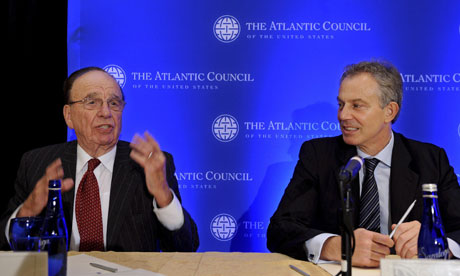
Here is another good one

greekman
- 08 Jul 2011 16:59
- 11436 of 81564
I wonder if the News of the World hacked into that conversation!
Haystack
- 08 Jul 2011 17:09
- 11437 of 81564
http://www.telegraph.co.uk/finance/2808184/A-decade-of-business-under-Blair.html

Your Money in the Blair/Brown years
10 very taxing years
Pension funds' tax freedom abolished
Income tax thresholds not raised in line with earnings
Upper limit on National Insurance Contributions removed
Married Couples Allowance scrapped for most husbands and wives
Mortgage interest relief at source (Miras) abolished
Peps and Tessas replaced by less generous Isas
IHT and Stamp Duty thresholds not raised in line with house prices
Average householder pays 480 more in Council Tax
Tax
HM Revenue & Customs now pockets 2.34bn more each week out of what Britons earn than it did in 1997. Government figures show we paid 115bn in tax and national insurance in 1996-97, while this tax year, 2006-07, the Revenue expects to collect more than double that, at 234bn, an increase of 119bn.
In 1996-97, there were just over two million higher rate taxpayers, but in 2006-07, more than 3.2 million people will pay tax at the higher rate, as increases in tax thresholds have failed to keep up with rising earnings.
Average earnings have risen by 41pc since 1997, according to BDO Stoy Hayward, but the threshold after which individuals have to pay the highest rate of tax has only increased by 31pc.
Gordon Brown removed the upper limit or ceiling on National Insurance contributions (NICs) and introduced a new upper band of NICs which now applies at 1 per cent on all earnings above 645 a week.
Pensions
Private sector retirement funds pay an extra 5bn a year tax as a result of Gordon Brown abolishing these funds' ability to reclaim dividend tax credits on their shareholdings back in 1997.
Higher taxes combined with lower investment returns and interest rates to cut the annual in come received by private sector pensioners by more than three quarters during the past decade.
Actuaries Watson Wyatt calculate that a typical with-profits pension after saving for 20 years is worth less than half what it would have been 10 years ago and annuity rates used to convert pension funds into income have also fallen by nearly half over the same period.
Once these two cuts are combined, the resulting income is down by 78pc for a man and 76pc for a women, for savings of identical amounts.
Stamp duty & house prices
House prices across the country have roughly trebled in the last decade, although there is much regional variation, according to the Halifax house price index.
Since Gordon Brown became Chancellor, stamp duty thresholds not raised in line with house prices. As a result total stamp duty revenue from residential property sales has soared from 675m to 4.6bn
The current 250,000 and 500,000 stamp duty bands have been in place since July 1997, but the percentage payable has increased, from 1.5 per cent for properties between 250,000 and 500,000 to 3 per cent today. For properties above 500,000, the percentage payable has also doubled, from 2 per cent to 4 per cent.
Inheritance tax
The Chancellor's failure to increase the inheritance tax threshold in line with rising property prices means that more homeowners are now liable for death duties.
The Exchequer is expected to receive 3.6bn this year from inheritance tax alone, against the 1.6bn it received in 1996-97.
Halifax calculates that the number of properties in the UK valued at more than the current inheritance tax threshold of 285,000 now stands at 1.5 million, or 8 per cent of all owner-occupied properties. It forecasts this will more than triple to 4.6 million by 2020 if the threshold is only increased in line with the Retail Prices Index (RPI). If the inheritance tax threshold had been linked to house prices, it would now be 425,000.
Council tax
When the Chancellor came to power in 1997, the yield from council tax was 10bn. Now it is expected to bring in nearly twice as much, a total of 23.4bn this year.
Accountants Grant Thornton calculate that increase is equivalent to 3p on the basic rate of income tax. The average householder is paying 480 a year more in annual council tax, over and above inflation, compared with when Labour came to power 10 years ago.
People with second homes no longer get a 50 per cent discount on their council tax as the Government scrapped this benefit in 2004.
Married couples allowance
The Conservatives were first to reduce the value of this allowance - which allowed husbands and wives to receive slightly more income before they had to pay tax than they would have done as single people - by restricting it to the basic rate of income tax during the 1990s. Then the allowance was abolished by Mr Brown in April 2000, for all couples except those already aged 65 or more on that date. For those whose spouse or civil partner was born before April 6, 1935, but aged under 75, the allowance continues to be worth up to 606.50 off their tax bill, and for those whose spouse or civil partner is aged 75 or more, it is worth up to 613.50.
Mortgage interest relief at source (Miras)
Homebuyers used to be able to cut costs by claiming mortgage interest relief at source (Miras), until Mr Brown abolished this in April, 2000. Once again, the Conservatives had opened the door to this tax raid by restricting the value of Miras gradually over the years before Labour came to power in 1997. According to Halifax, in 1988, mortgage tax relief effectively reduced the mortgage costs for a new first time buyer in the UK by 954 a year.
Peps and Tessas
Savers could shelter 9,000 in a personal equity plan (Pep) and a further 9,000 over five years in a tax-exempt special savings account (Tessa), until Gordon Brown scrapped both schemes in 1999.
With an individual savings account (Isa), the successor to these schemes, investors can save up to 7,000 free of tax each year.
Gordon Brown reduced the tax benefits of receiving dividends within Isas in 1999, costing the basic rate taxpayers 27 a year, based on 7,000 invested in an equity Isa paying a 3.5 per cent dividend.
Your Money in the Blair/Brown years
10 very taxing years
Pension funds' tax freedom abolished
Income tax thresholds not raised in line with earnings
Upper limit on National Insurance Contributions removed
Married Couples Allowance scrapped for most husbands and wives
Mortgage interest relief at source (Miras) abolished
Peps and Tessas replaced by less generous Isas
IHT and Stamp Duty thresholds not raised in line with house prices
Average householder pays 480 more in Council Tax
Tax
HM Revenue & Customs now pockets 2.34bn more each week out of what Britons earn than it did in 1997. Government figures show we paid 115bn in tax and national insurance in 1996-97, while this tax year, 2006-07, the Revenue expects to collect more than double that, at 234bn, an increase of 119bn.
In 1996-97, there were just over two million higher rate taxpayers, but in 2006-07, more than 3.2 million people will pay tax at the higher rate, as increases in tax thresholds have failed to keep up with rising earnings.
Average earnings have risen by 41pc since 1997, according to BDO Stoy Hayward, but the threshold after which individuals have to pay the highest rate of tax has only increased by 31pc.
Gordon Brown removed the upper limit or ceiling on National Insurance contributions (NICs) and introduced a new upper band of NICs which now applies at 1 per cent on all earnings above 645 a week.
Pensions
Private sector retirement funds pay an extra 5bn a year tax as a result of Gordon Brown abolishing these funds' ability to reclaim dividend tax credits on their shareholdings back in 1997.
Higher taxes combined with lower investment returns and interest rates to cut the annual in come received by private sector pensioners by more than three quarters during the past decade.
Actuaries Watson Wyatt calculate that a typical with-profits pension after saving for 20 years is worth less than half what it would have been 10 years ago and annuity rates used to convert pension funds into income have also fallen by nearly half over the same period.
Once these two cuts are combined, the resulting income is down by 78pc for a man and 76pc for a women, for savings of identical amounts.
Stamp duty & house prices
House prices across the country have roughly trebled in the last decade, although there is much regional variation, according to the Halifax house price index.
Since Gordon Brown became Chancellor, stamp duty thresholds not raised in line with house prices. As a result total stamp duty revenue from residential property sales has soared from 675m to 4.6bn
The current 250,000 and 500,000 stamp duty bands have been in place since July 1997, but the percentage payable has increased, from 1.5 per cent for properties between 250,000 and 500,000 to 3 per cent today. For properties above 500,000, the percentage payable has also doubled, from 2 per cent to 4 per cent.
Inheritance tax
The Chancellor's failure to increase the inheritance tax threshold in line with rising property prices means that more homeowners are now liable for death duties.
The Exchequer is expected to receive 3.6bn this year from inheritance tax alone, against the 1.6bn it received in 1996-97.
Halifax calculates that the number of properties in the UK valued at more than the current inheritance tax threshold of 285,000 now stands at 1.5 million, or 8 per cent of all owner-occupied properties. It forecasts this will more than triple to 4.6 million by 2020 if the threshold is only increased in line with the Retail Prices Index (RPI). If the inheritance tax threshold had been linked to house prices, it would now be 425,000.
Council tax
When the Chancellor came to power in 1997, the yield from council tax was 10bn. Now it is expected to bring in nearly twice as much, a total of 23.4bn this year.
Accountants Grant Thornton calculate that increase is equivalent to 3p on the basic rate of income tax. The average householder is paying 480 a year more in annual council tax, over and above inflation, compared with when Labour came to power 10 years ago.
People with second homes no longer get a 50 per cent discount on their council tax as the Government scrapped this benefit in 2004.
Married couples allowance
The Conservatives were first to reduce the value of this allowance - which allowed husbands and wives to receive slightly more income before they had to pay tax than they would have done as single people - by restricting it to the basic rate of income tax during the 1990s. Then the allowance was abolished by Mr Brown in April 2000, for all couples except those already aged 65 or more on that date. For those whose spouse or civil partner was born before April 6, 1935, but aged under 75, the allowance continues to be worth up to 606.50 off their tax bill, and for those whose spouse or civil partner is aged 75 or more, it is worth up to 613.50.
Mortgage interest relief at source (Miras)
Homebuyers used to be able to cut costs by claiming mortgage interest relief at source (Miras), until Mr Brown abolished this in April, 2000. Once again, the Conservatives had opened the door to this tax raid by restricting the value of Miras gradually over the years before Labour came to power in 1997. According to Halifax, in 1988, mortgage tax relief effectively reduced the mortgage costs for a new first time buyer in the UK by 954 a year.
Peps and Tessas
Savers could shelter 9,000 in a personal equity plan (Pep) and a further 9,000 over five years in a tax-exempt special savings account (Tessa), until Gordon Brown scrapped both schemes in 1999.
With an individual savings account (Isa), the successor to these schemes, investors can save up to 7,000 free of tax each year.
Gordon Brown reduced the tax benefits of receiving dividends within Isas in 1999, costing the basic rate taxpayers 27 a year, based on 7,000 invested in an equity Isa paying a 3.5 per cent dividend.
| About MoneyAM | Ts and Cs | Privacy Policy | Investment Warning | Content Standards | Corporate Solutions | Advertise With Us | Site Map | © 2026 MoneyAM |
Register now for FREE
Share Prices,
Stock Quotes,
Charts, Bulletin Boards, Indices, Watchlists, Portfolio, Market News, Research
or see our Premium Services including Level 2, Terminal and much more.
 Follow us on Twitter